Pest Control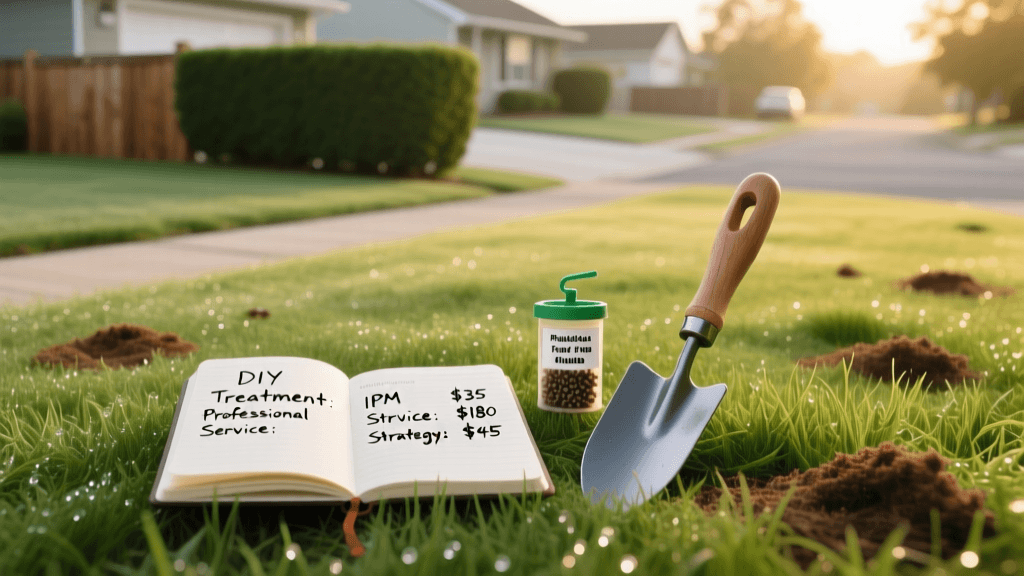
Lawn Grub Control Cost Guide: Budgeting for Treatment
The Financial Impact of Lawn Grub Damage
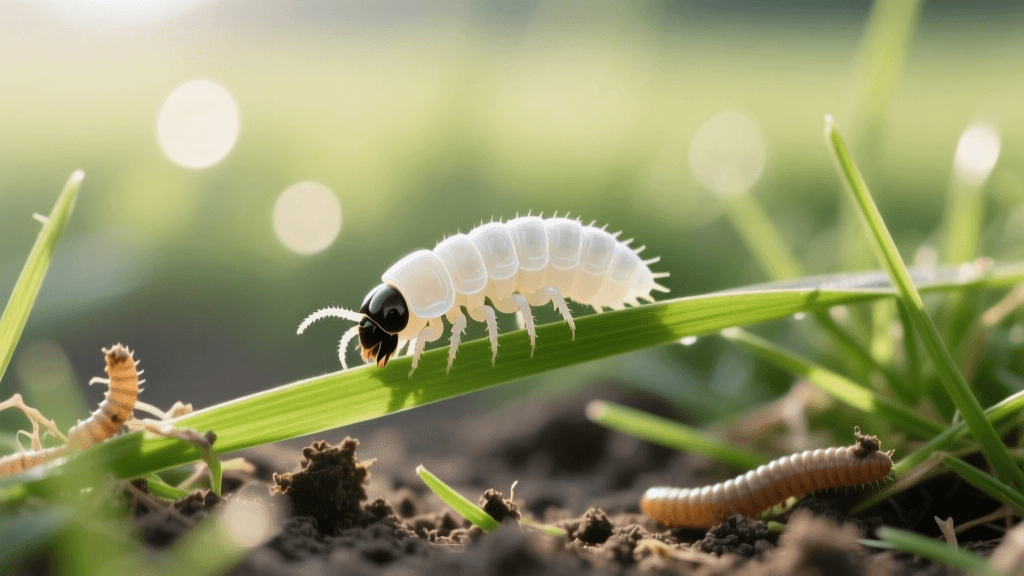
When you notice irregular brown patches in your lawn that peel back like a loose carpet, you are likely looking at the aftermath of a white grub infestation. Grubs are the larval stage of various scarab beetles, including Japanese beetles, June bugs, and European chafers. They live beneath the soil surface, feasting on the root systems of your turfgrass. While the pests themselves are small, the financial impact of their destruction can be massive. Replacing dead sod can cost anywhere from $1.50 to $3.00 per square foot. A moderately sized damaged area of 1,000 square feet could easily result in a $1,500 to $3,000 renovation bill, not including the cost of labor, soil prep, and increased water usage to establish new grass.
Understanding the costs associated with grub control, preventative versus curative treatments, and organic versus chemical options is essential for any homeowner looking to protect their landscape budget. This comprehensive cost and budgeting guide will break down exactly what you need to spend to keep your lawn grub-free.
Understanding the Threshold: When to Spend Money
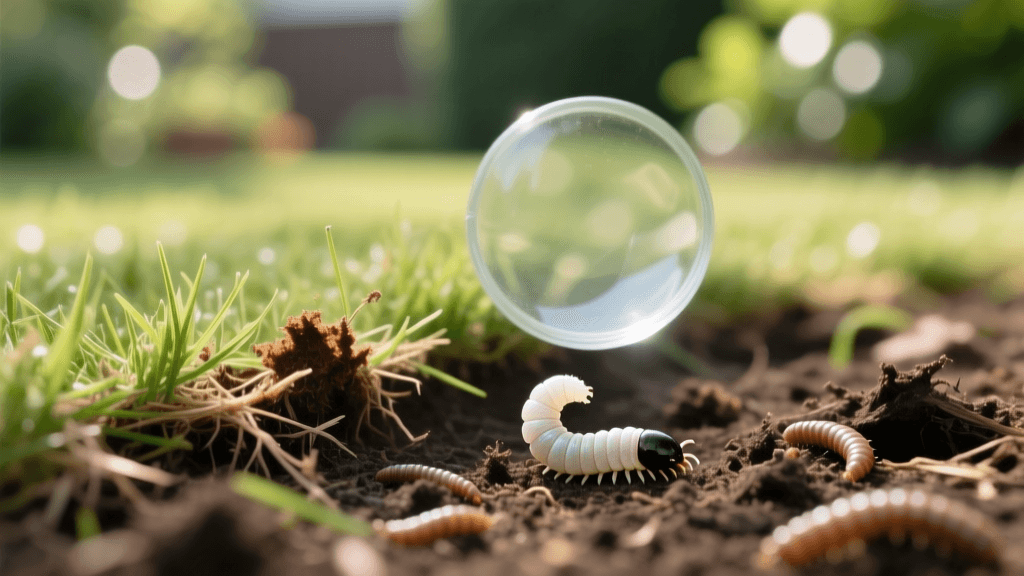
One of the most common budgeting mistakes homeowners make is treating their lawn for grubs when there is no economic or aesthetic threat. Not every grub requires eradication. According to turfgrass experts at the Purdue University Extension, a healthy lawn can easily tolerate a low population of grubs without showing visible damage. Purdue recommends a treatment threshold of 8 to 10 grubs per square foot. Before purchasing any products, perform a simple soil inspection: cut a one-square-foot section of turf, peel it back, and count the grubs in the top three inches of soil. If you find fewer than 8, your best financial move is to do nothing and focus on proper lawn maintenance to encourage deep root growth.
DIY vs. Professional Grub Control: Cost Comparison
If your soil test confirms an infestation exceeding the threshold, you must decide between a Do-It-Yourself (DIY) approach and hiring a professional lawn care service. Below is a cost comparison based on an average 5,000 square foot lawn.
| Treatment Method | Average Cost (5,000 sq ft) | Pros | Cons |
|---|---|---|---|
| DIY Preventative (Chemical) | $20 - $30 | Highly effective, cost-efficient, long window of application. | Requires equipment (spreader), must be watered in. |
| DIY Curative (Chemical) | $35 - $50 | Kills active grubs quickly, rescues dying turf. | Short application window, harsher on soil biology. |
| DIY Organic (Nematodes/Milky Spore) | $45 - $75 | Safe for pets, eco-friendly, builds long-term soil health. | Short shelf life, highly dependent on soil moisture/temp. |
| Professional Application | $150 - $250 | Zero labor, commercial-grade products, guaranteed results. | Significantly higher upfront cost, requires scheduling. |
Breakdown of DIY Grub Control Products and Costs
For the budget-conscious homeowner, DIY treatments offer the highest return on investment. However, selecting the right product based on the time of year is critical. Applying the wrong product at the wrong time is essentially throwing money into the wind.
1. Chemical Preventatives: Chlorantraniliprole
Products containing Chlorantraniliprole (such as Scotts GrubEx1) are the gold standard for preventative grub control. This active ingredient is highly effective against young grubs and has a lower toxicity profile for bees and earthworms compared to older chemicals.
- Average Cost: $25 for a bag covering 5,000 sq ft.
- Timing: Apply in mid-to-late spring (April to early June).
- Budget Tip: Buy in early spring before hardware stores mark up prices for the summer rush. Ensure you water the lawn with at least 0.5 inches of water immediately after application to activate the product; otherwise, the investment is wasted.
2. Chemical Curatives: Trichlorfon
If you missed the spring preventative window and find active, mature grubs destroying your lawn in late summer, you need a curative treatment. Products containing Trichlorfon (such as BioAdvanced 24-Hour Grub Killer or Dylox) act quickly to kill grubs within 24 hours.
- Average Cost: $35 to $45 for 5,000 sq ft.
- Timing: Late summer to early fall (August to September).
- Budget Tip: Curatives break down rapidly in the soil. Do not apply them in the spring; they will degrade before the new grub generation hatches, resulting in a complete waste of your budget.
3. Organic Controls: Beneficial Nematodes
For those practicing strict Integrated Pest Management (IPM) or maintaining organic landscapes, beneficial nematodes (specifically the Heterorhabditis bacteriophora strain) are microscopic worms that hunt and destroy grubs.
- Average Cost: $45 to $60 for a package treating up to 1/4 acre (approx. 10,000 sq ft).
- Timing: Late summer when grubs are actively feeding near the surface.
- Budget Tip: Nematodes are living organisms. They must be stored in the refrigerator upon arrival and applied in the evening or on a cloudy day to prevent UV light from killing them. Failing to follow storage instructions will result in a total loss of your investment.
4. Long-Term Organic Investment: Milky Spore
Milky Spore (Paenibacillus popilliae) is a naturally occurring bacterium that specifically targets Japanese beetle grubs. While the upfront cost is higher, the long-term ROI is unmatched in the pest control industry.
- Average Cost: $60 to $80 for 5,000 sq ft.
- Timing: Can be applied anytime the ground is unfrozen.
- Budget Tip: Milky spore takes 2 to 3 years to fully establish in the soil, but once it does, it provides continuous grub control for 10 to 15 years without reapplication. It is an excellent long-term budget strategy for homeowners planning to stay in their homes for a decade or more.
Hidden Costs to Watch Out For
When creating your pest control budget, the cost of the product is only one piece of the puzzle. Failing to account for the following hidden costs can blow your budget out of the water:
- Watering Requirements: Almost all grub control products require immediate watering to wash the active ingredient into the root zone where grubs feed. Expect a slight bump in your monthly water bill, or factor in the cost of running an irrigation system for a few extra cycles.
- Lawn Renovation: If grubs have already destroyed the roots, killing the grubs will not bring the dead grass back to life. You must budget for aeration, topsoil, grass seed ($15 to $30 per 5 lbs), and straw mulch to repair the damaged patches.
- Spreader Calibration: If you do not own a broadcast spreader, you will need to purchase or rent one ($40 to $80). Applying granular products unevenly leads to missed spots where grubs survive, forcing you to buy more product for a second application.
Budget-Friendly Integrated Pest Management (IPM) Strategies
Integrated Pest Management focuses on long-term prevention and minimizing chemical use. Incorporating these budget-friendly cultural practices will make your lawn naturally resistant to grub damage, saving you money on annual treatments:
- Water Deeply and Infrequently: Grubs thrive in moist, shallow soil environments. Watering your lawn deeply (1 inch per week) but infrequently forces grass roots to grow deep into the soil, making the turf more resilient to surface-level root feeding.
- Mow High: Set your mower deck to 3 or 4 inches. Taller grass shades the soil, making it less hospitable for adult beetles looking to lay eggs in the late summer. It also promotes a larger, more robust root system that can out-eat a minor grub population.
- Encourage Natural Predators: Birds, toads, and ground beetles are natural predators of grubs and adult beetles. Creating a welcoming environment for these beneficial creatures provides free, continuous pest control.
- Reduce Nighttime Lighting: Adult Japanese beetles and June bugs are highly attracted to bright outdoor lights at night. Turning off unnecessary exterior lighting during the peak mating season (June and July) reduces the number of beetles landing on your property to lay eggs.
Conclusion
Budgeting for lawn grub control is all about proactive planning and understanding the life cycle of the pest. By spending $25 to $30 on a preventative treatment in the spring, or investing in long-term organic solutions like Milky Spore, you can easily avoid the catastrophic $1,500+ cost of lawn renovation. Always test your soil to confirm grub thresholds before spending a dime, and rely on IPM practices to build a naturally resilient lawn that protects both your turf and your wallet.