Pest Control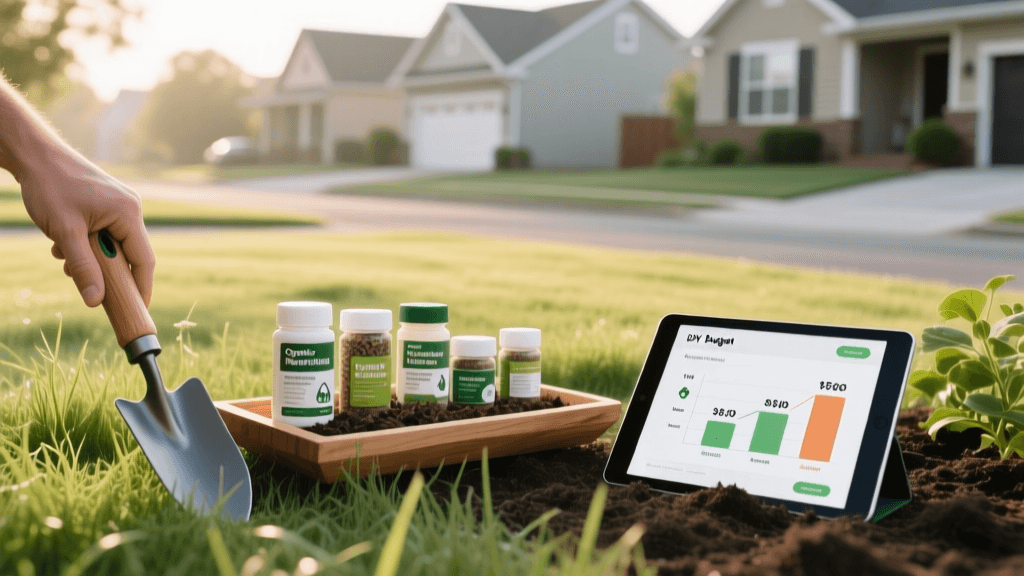
Lawn Grub Control Cost Guide: Budgeting for Treatment
The True Cost of Lawn Grub Control: A Budgeting Guide
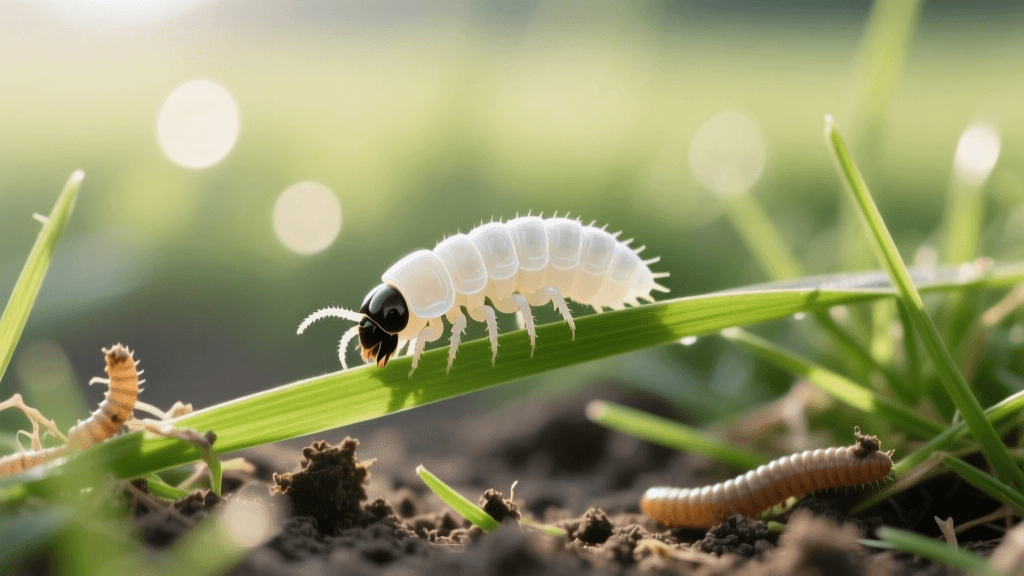
White grubs—the destructive, C-shaped larvae of Japanese beetles, June bugs, and European chafers—are among the most costly pests a homeowner can face. By feeding aggressively on grassroots, grubs sever the turf's connection to water and nutrients, leading to massive brown patches, spongy soil, and secondary damage from foraging wildlife like skunks and raccoons. When budgeting for annual lawn care, grub control is a line item that demands careful consideration. Ignoring a grub infestation can result in thousands of dollars in lawn renovation costs, while over-treating wastes money and harms the local ecosystem.
Whether you are dealing with an active outbreak or planning a preventative maintenance schedule, understanding the financial landscape of grub control is essential. This comprehensive cost and budgeting guide breaks down the expenses associated with DIY treatments, professional pest control services, and the hidden costs of lawn repair, empowering you to make the most cost-effective decisions for your turf.
DIY vs. Professional Grub Control: Which is More Cost-Effective?
The first major budgeting decision is whether to tackle the grubs yourself or hire a licensed lawn care professional. Both routes have distinct financial implications, and the 'best' choice depends on your lawn size, the severity of the infestation, and the value you place on your time.
DIY Grub Control: The do-it-yourself route is generally the most budget-friendly option for standard-sized lawns (under 10,000 square feet). Consumer-grade products are widely available at home improvement stores and online. However, DIY requires you to invest in a broadcast or drop spreader, accurately measure your lawn, and meticulously time your applications. Misjudging the timing or miscalculating the square footage can lead to product waste and treatment failure, ultimately costing you more in the long run.
Professional Grub Control: Hiring a professional service costs more upfront but offers the advantage of commercial-grade products, precise application, and often, a satisfaction guarantee. Professionals use specialized surfactants and liquid injection systems that ensure the active ingredients penetrate deep into the thatch layer where grubs reside. If you have a large property or a history of severe turf damage, the premium paid for professional service is often justified by the guaranteed results and time saved.
Grub Control Cost Breakdown
To help you visualize your potential expenses, the table below outlines the average costs associated with different grub control strategies for a standard 5,000-square-foot lawn.
| Treatment Strategy | Average Cost (5,000 sq ft) | Application Frequency | Efficacy & Best Use Case |
|---|---|---|---|
| DIY Preventative | $20 - $35 | Once per year (Spring/Summer) | High. Best for lawns with a history of grubs. |
| DIY Curative | $25 - $45 | As needed (Late Summer/Fall) | Moderate to High. Best for active, visible damage. |
| DIY Organic (Nematodes) | $35 - $60 | 1-2 times per year | Moderate. Best for eco-conscious budgets. |
| Professional Service | $75 - $150 | 1-2 times per year | Very High. Best for large lawns or severe outbreaks. |
| Lawn Repair (Reseeding) | $100 - $250+ | Post-damage | N/A. Required if grubs kill the turf. |
DIY Grub Control Product Costs and Budgeting
If you opt for the DIY route, your budget will be dictated by the type of product you choose. Grub control products fall into three main categories: preventatives, curatives, and biological controls.
Preventative Grub Control Products
Preventatives are designed to kill young grubs as they hatch and begin feeding. They must be applied before the damage occurs, typically between early May and mid-July, depending on your climate zone. The most common and effective active ingredient in modern consumer preventatives is Chlorantraniliprole.
- Top Product: Scotts GrubEx1
- Active Ingredient: Chlorantraniliprole (0.08%)
- Estimated Cost: $25 to $30 for a bag covering 10,000 square feet.
- Budgeting Tip: Because it covers 10,000 sq ft, homeowners with smaller lawns can often stretch a single $30 bag over two years if stored properly in a cool, dry place, cutting the annual cost in half.
Curative Grub Control Products
Curatives are fast-acting contact killers used when you have already identified an active infestation (usually in late August through October). These products target larger, more mature grubs that are actively destroying roots. The gold standard active ingredient for curative treatment is Trichlorfon.
- Top Product: BioAdvanced 24 Hour Grub Killer Plus
- Active Ingredient: Trichlorfon
- Estimated Cost: $20 to $25 for a 10 lb bag covering 5,000 square feet.
- Budgeting Tip: Curatives degrade quickly in the soil. Do not apply them preventatively in the spring, as they will break down before the new generation of grubs hatches, resulting in a complete waste of your budget.
Organic and Biological Controls
For homeowners committed to organic lawn care, beneficial nematodes and Milky Spore disease are the primary options. While the upfront cost is higher, they offer long-term, sustainable population control without synthetic chemicals.
- Top Product: Arbico Organics Nematodes (Heterorhabditis bacteriophora)
- Estimated Cost: $40 to $50 for a package treating up to 10,000 square feet.
- Budgeting Tip: Nematodes are living organisms. You must budget for expedited shipping to ensure they arrive alive, and you must have an irrigation system ready to water them into the soil immediately upon arrival.
Professional Grub Treatment Pricing Factors
When hiring a professional lawn care company, expect to pay between $75 and $150 for a targeted grub control application on an average-sized suburban lawn. However, several factors influence this final quote:
- Lawn Size and Accessibility: Pricing is typically tiered by square footage. Lawns over 10,000 square feet will see proportionate increases in cost. Steep slopes or complex landscaping may also incur 'difficulty' surcharges.
- Liquid vs. Granular: Professionals often use liquid applications combined with wetting agents to drive the product through thick thatch layers. Liquid applications may cost 10% to 20% more than granular applications due to equipment and surfactant costs.
- Bundled Services: The most cost-effective way to hire a pro is to bundle grub control with a comprehensive fertilization and weed control program. Standalone grub treatments often carry a 'trip charge' or minimum service fee, whereas bundled treatments reduce the per-application cost significantly.
The Hidden Costs of Grub Damage: Lawn Repair
The most critical budgeting mistake homeowners make is only accounting for the pesticide. If a grub infestation goes unnoticed, the resulting turf death and animal foraging damage will force you into costly lawn renovations. Skunks and raccoons will literally roll back your lawn like a carpet to eat the grubs, destroying the soil structure in the process.
If you are forced to repair a grub-damaged lawn, you must budget for the following:
- Topsoil and Grading: $50 - $150 to fill in animal divots and level the soil.
- Core Aeration: $75 - $150 to relieve compaction caused by animal traffic.
- Grass Seed and Starter Fertilizer: $50 - $100 for high-quality, grub-resistant turf varieties (like Tall Fescue).
- Sod Installation (Alternative): If you need instant results, sod costs $0.50 to $1.00 per square foot, plus professional installation labor, easily pushing a 1,000 sq ft repair bill over $1,500.
Investing $30 in a preventative grub control product is a fractional insurance premium compared to the $500+ cost of autumn lawn renovation.
Expert Advice: Scouting Before You Spend
Before releasing funds from your lawn care budget, you must verify that grubs are actually the culprit. Brown patches can be caused by drought, fungal diseases, or dog urine. Applying expensive grub killer to a fungal lawn disease is a massive waste of money.
According to entomologists at Purdue University Extension, 'Treatment is only economically justified when grub populations exceed the threshold of 5 to 10 grubs per square foot. Homeowners should scout their lawns by cutting three sides of a 1-foot square of sod with a spade, peeling it back, and counting the grubs in the top 2 inches of soil and thatch.'
By performing this free, 15-minute scouting test in early August, you can accurately determine if your lawn requires a curative treatment or if the natural predator population is keeping the grubs below the economic damage threshold.
5 Actionable Tips to Budget Your Grub Control
- Measure Your Lawn Accurately: Do not guess your lawn size. Use online mapping tools or a measuring wheel to determine your exact treatable turf area. Buying product for 10,000 sq ft when you only have 6,000 sq ft wastes 40% of your budget.
- Calibrate Your Spreader: An improperly calibrated spreader will dump too much product in some areas and too little in others. This leads to patchy control, forcing you to buy more product for a second application. Spend 10 minutes calibrating your spreader on the driveway before treating the lawn.
- Time the Watering Correctly: Both preventatives and curatives require immediate watering (about 0.5 inches) to activate the chemical and move it into the root zone. If you apply a product and a dry spell hits, the product degrades on the surface. Factor your local water costs into your budget, or time applications with impending rainfall.
- Mow Before You Treat: Mow your lawn slightly shorter than usual right before application. This reduces the amount of product caught in the grass blades and ensures more of the active ingredient reaches the soil where the grubs live, maximizing your return on investment.
- Choose Resistant Grass Varieties: If you are overseeding, budget for Tall Fescue or endophyte-enhanced Perennial Ryegrass. These grasses are naturally more tolerant of grub feeding, reducing the need for aggressive chemical interventions in future years.
Conclusion
Budgeting for grub control is an exercise in proactive lawn management. By allocating $25 to $50 annually for a high-quality preventative treatment, you protect your lawn from catastrophic root damage and the exorbitant costs of fall reseeding. Whether you choose to spread granular Chlorantraniliprole yourself or hire a professional to apply a commercial-grade liquid, precise timing, accurate lawn measurement, and proper scouting are the keys to maximizing your pest control budget. Protect your roots, protect your wallet, and enjoy a lush, grub-free landscape all season long.