Pest Control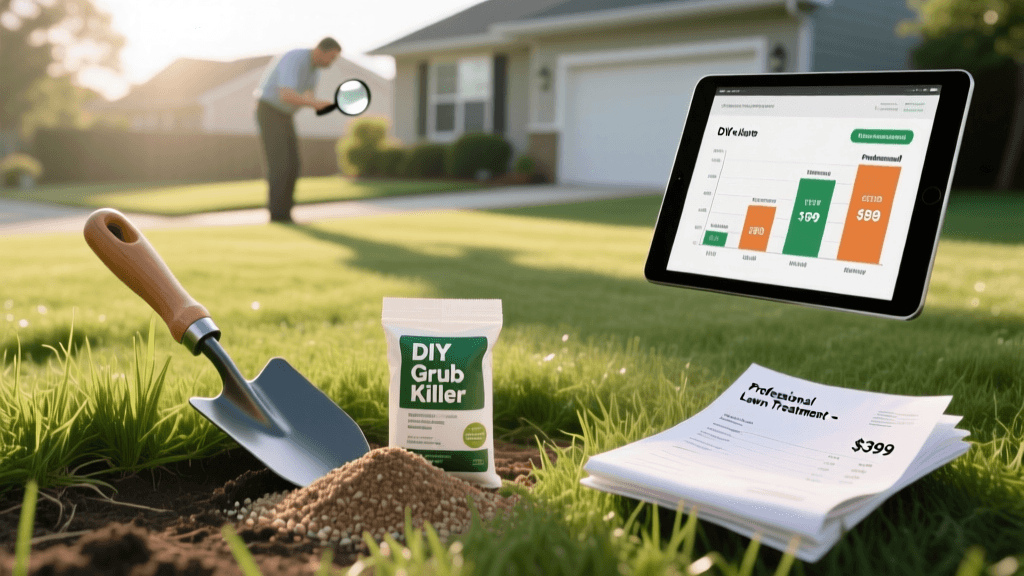
The True Cost of Lawn Grub Control: DIY Versus Pro
Introduction to Lawn Grub Budgeting
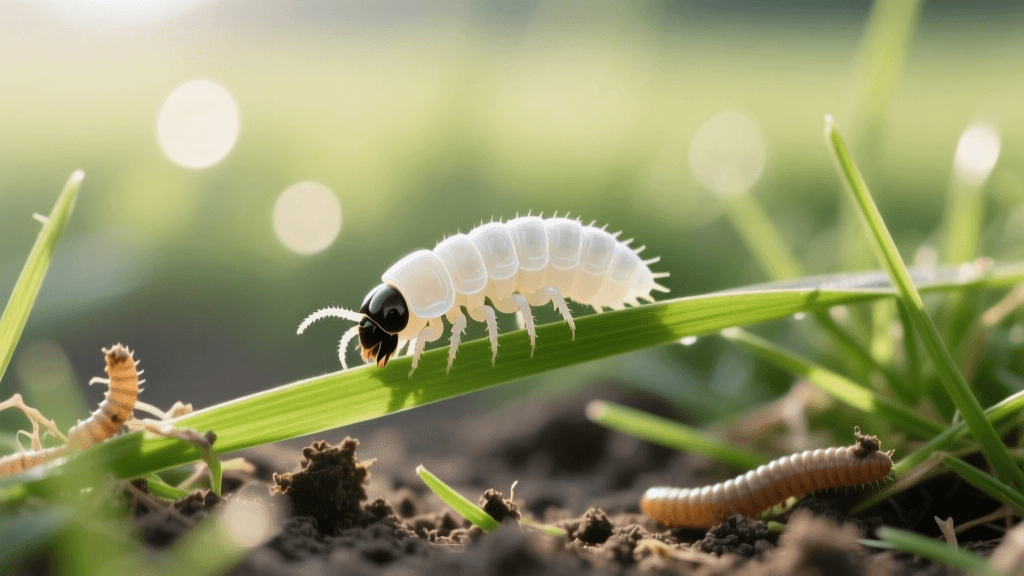
White grubs are the destructive larval stage of scarab beetles, including Japanese beetles, June bugs, and European chafers. These C-shaped pests live beneath the soil surface, feeding aggressively on grassroots. If left unchecked, they can decimate a lush lawn in a matter of weeks, leaving behind dead, brown patches that roll back like loose carpet. For homeowners, the decision to treat for grubs is not just an agronomic choice; it is a vital financial decision. Budgeting for pest control requires a clear understanding of product costs, application timing, equipment needs, and the comparative pricing of professional lawn care services. This comprehensive cost and budgeting guide will break down the exact expenses associated with lawn grub control, empowering you to make the most cost-effective choice for your landscape.
The Hidden Financial Cost of Grub Damage
When calculating the budget for pest control, many homeowners only look at the price of the pesticide. However, the true cost of grub control must be weighed against the cost of inaction. Grub damage often goes unnoticed until late summer or early fall, by which time the grassroots have been completely severed. At this stage, curative treatments may not save the dying grass, and the homeowner is forced to pay for lawn renovation.
According to national landscaping averages, professional sod installation costs between $1.50 and $3.00 per square foot. For a standard 5,000-square-foot lawn, replacing grub-killed sod can cost anywhere from $7,500 to $15,000, factoring in soil preparation, grading, and labor. Even reseeding a heavily damaged lawn requires aeration, topsoil, and premium seed, easily pushing renovation costs past $1,000. Therefore, spending $50 to $150 annually on preventative grub control is a highly cost-effective insurance policy for your turf.
DIY Grub Control: Product Costs and Application
Do-it-yourself grub control is the most popular route for budget-conscious homeowners. DIY treatments are generally divided into two categories: preventative and curative. Understanding the difference is crucial for your budget and your lawn's survival.
Preventative Treatments
Preventative grub controls are applied in late spring to early summer (typically May through June) before grubs hatch. These products contain long-residual active ingredients that remain in the soil and kill young grubs as they begin to feed.
- Chlorantraniliprole (e.g., Scotts GrubEx1, Acelepryn): This is the gold standard for DIY preventative care. It is highly effective and safe for pollinators when applied correctly. A 14-pound bag of Scotts GrubEx1, which covers up to 5,000 square feet, typically retails for $25 to $30. This translates to a cost of roughly $0.005 to $0.006 per square foot.
- Imidacloprid (e.g., Bayer Advanced 24 Hour Grub Killer): Another common preventative option, usually sold in granular or liquid formulations. Prices average around $20 to $25 for a 5,000-square-foot coverage area.
Curative Treatments
Curative treatments are fast-acting insecticides used in late summer or early fall (August to October) when grubs are actively feeding and causing visible damage. These products have a shorter residual effect but deliver a rapid knockdown.
- Trichlorfon (e.g., Dylox 6.2): The most widely recommended curative treatment. It penetrates the soil quickly and kills grubs within 24 to 48 hours. A 10-pound bag of Dylox, covering approximately 5,000 square feet, costs between $35 and $45. While more expensive per application than preventatives, it is a necessary expense if you missed the spring preventative window.
- Carbaryl (e.g., Sevin): An older curative chemical that is less effective against larger, third-instar grubs but is sometimes used as a budget alternative. It costs roughly $20 to $25 for 5,000 square feet.
Equipment and Hidden DIY Costs
If you are applying granular treatments, you will need a broadcast spreader. A basic rotary spreader costs between $30 and $50. If you do not already own one, this increases your first-year DIY budget. Additionally, improper spreader calibration can lead to overlapping passes, causing you to waste up to 20% of your product and potentially burn your lawn, leading to further financial losses.
Professional Lawn Care Services: Pricing Breakdown
Hiring a professional lawn care company to handle grub control removes the guesswork, labor, and equipment costs from your shoulders. Companies like TruGreen, Weed Man, or local independent operators typically apply commercial-grade products (like Merit or Acelepryn) using commercial-grade ride-on spreaders or liquid spray rigs.
Professional grub control is rarely sold as a standalone service; it is usually bundled into a comprehensive 5-to-7-step annual lawn care program. However, when itemized, professional grub treatment generally costs between $0.01 and $0.03 per square foot. For a 5,000-square-foot lawn, expect to pay $50 to $150 for a single preventative application. While this is roughly double the cost of DIY materials, it includes labor, precise application, and often a satisfaction guarantee that covers free retreatments or sod replacement if grubs still damage your lawn.
Cost Comparison Chart: DIY vs. Professional Grub Control
The following table provides a side-by-side financial breakdown for treating a standard 5,000-square-foot lawn based on current market averages.
| Treatment Approach | Active Ingredient / Product | Timing | Estimated Cost (5k sq ft) | Cost Per Sq Ft |
|---|---|---|---|---|
| DIY Preventative | Chlorantraniliprole (GrubEx) | May - June | $25 - $30 | $0.005 |
| DIY Curative | Trichlorfon (Dylox) | August - September | $35 - $45 | $0.008 |
| Professional Preventative | Commercial Imidacloprid | May - June | $75 - $125 | $0.020 |
| Professional Curative | Commercial Trichlorfon | August - September | $100 - $150 | $0.025 |
Organic and Biological Control Budgeting
For homeowners committed to organic lawn care, chemical pesticides are off the table. Fortunately, biological controls are available, though they require a different budgeting approach.
- Beneficial Nematodes (Heterorhabditis bacteriophora): These microscopic worms actively seek out and infect grubs. They are sold in refrigerated sponges or powders. A package treating 5,000 square feet costs between $40 and $60. Because they are living organisms, they require immediate application with a hose-end sprayer and moist soil conditions, meaning you must also budget for increased water usage.
- Milky Spore (Bacillus popilliae): Specifically targeting Japanese beetle grubs, Milky Spore is a long-term investment. A 20-ounce box of powder, sufficient for a one-time grid application on 7,000 square feet, costs around $60 to $75. While the upfront cost is higher, it can provide 10 to 15 years of control, making the annualized cost less than $5 per year.
Expert Insights on Timing and Efficacy
Timing is the most critical factor in maximizing your pest control budget. Applying a curative product in the spring is a complete waste of money, as the grubs are mature, barely feeding, and preparing to pupate into adult beetles. Conversely, applying a preventative product in the fall will yield poor results, as the chemical will break down before the next generation of grubs hatches.
According to the University of Kentucky College of Agriculture, Food and Environment, 'Preventative insecticides are most effective when applied before grubs are present, typically from late May to early July. Curative treatments like trichlorfon should be reserved for late summer when grubs are actively feeding and causing visible turf damage. Mis-timing these applications is the leading cause of control failure and unnecessary financial expenditure by homeowners.'
By aligning your purchases with the biological life cycle of the scarab beetle, you ensure that every dollar spent on pest control directly translates to turf protection.
Step-by-Step Budgeting Checklist
To finalize your annual grub control budget, follow this actionable checklist:
- Measure Your Lawn: Calculate your exact turf area. Subtract the square footage of your house, driveway, and garden beds. Buying product for 10,000 square feet when you only have 6,000 square feet of grass wastes nearly 40% of your budget.
- Determine Your Strategy: Decide if you are preventing an outbreak (Spring) or curing an active infestation (Fall).
- Assess Equipment Needs: Do you own a calibrated spreader? If not, add $40 to your first-year budget, or consider hiring a professional for a single application.
- Factor in Watering: Both chemical and organic grub treatments require immediate watering to activate the product and move it into the soil zone. Ensure your irrigation system is functional, or budget for the municipal water costs associated with a 30-minute deep watering session.
Conclusion: Making the Right Financial Choice
Budgeting for lawn grub control does not have to be a financial burden. For the average homeowner willing to purchase a spreader and apply granular Chlorantraniliprole in early summer, the annual cost is a negligible $30. This minor investment protects thousands of dollars in landscaping and sod. However, if your schedule is demanding or your lawn requires complex liquid applications, outsourcing to a professional service for $100 to $150 provides peace of mind and guaranteed results. By understanding the specific costs, active ingredients, and application windows detailed in this guide, you can effectively protect your lawn's root system while keeping your landscape budget firmly in the green.