Pest Control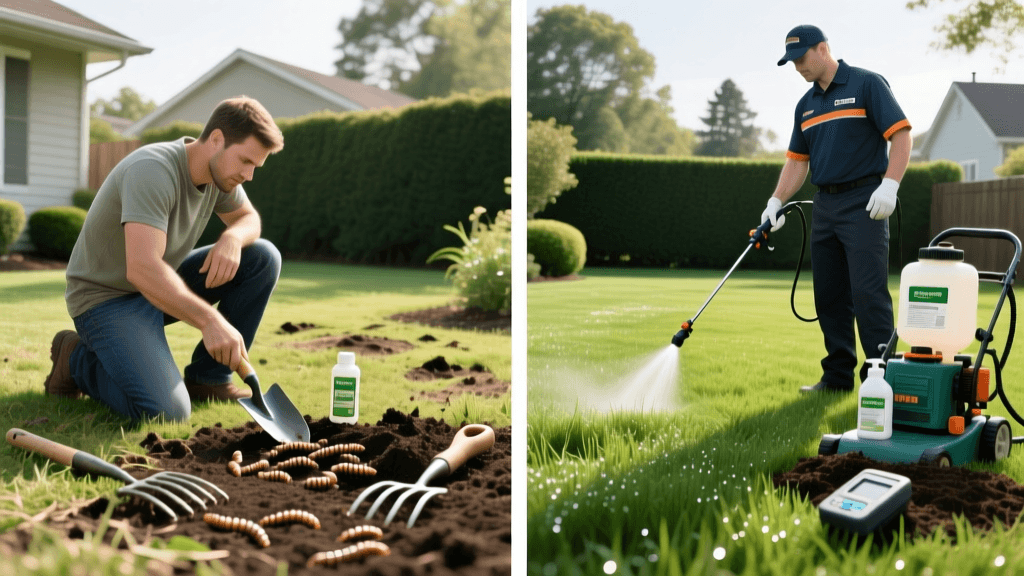
Budgeting for Lawn Grub Control: DIY vs Professional Costs
The True Cost of Lawn Grub Damage
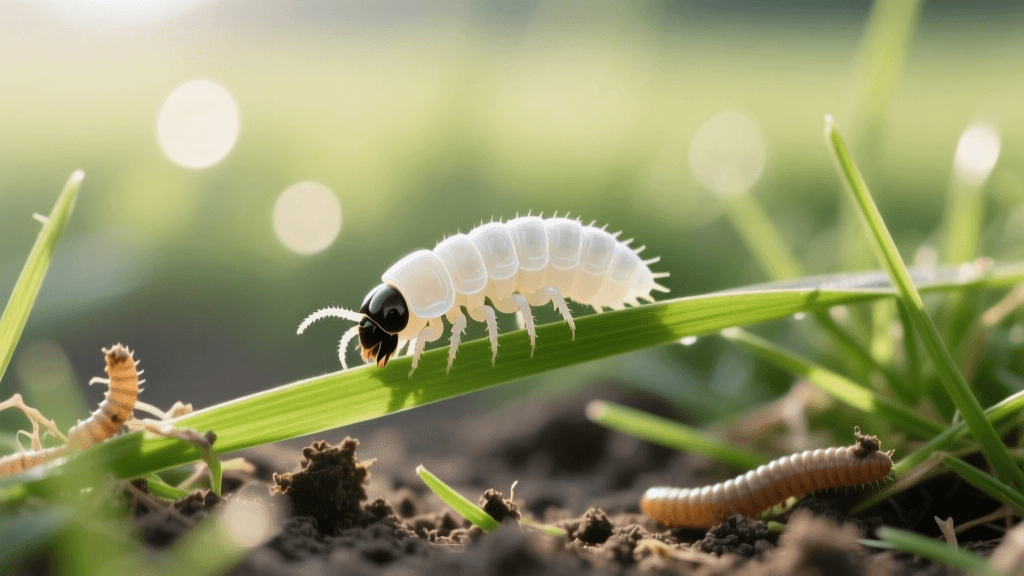
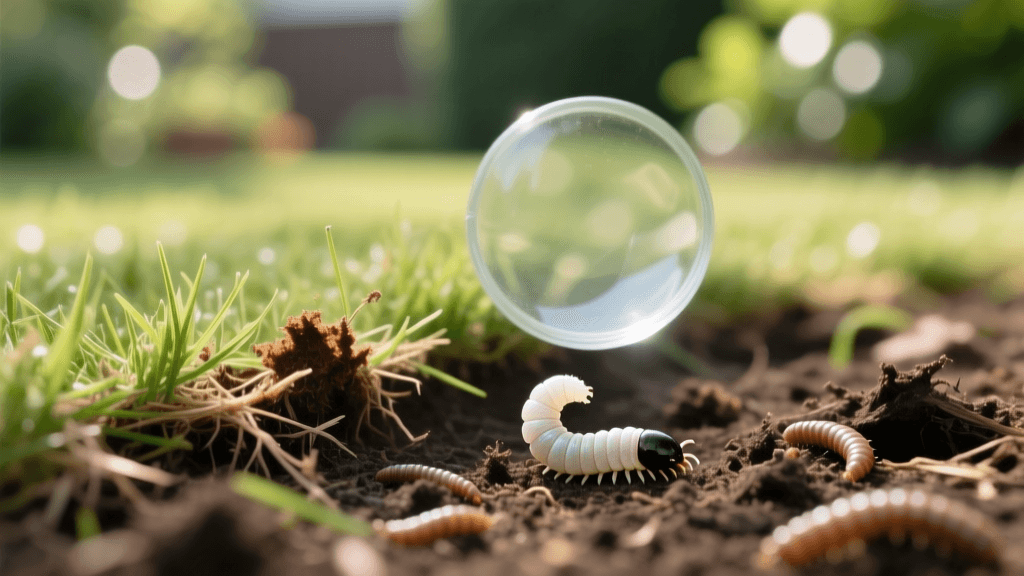
White grubs are the soil-dwelling larval stage of scarab beetles, including the notorious Japanese beetle, European chafer, and June bug. These C-shaped pests feed aggressively on the root systems of turfgrass, severing the grass from its water and nutrient supply. The result is widespread yellowing, spongy turf, and eventually, large dead patches that can be rolled back like a carpet. For homeowners, a grub infestation is not just an aesthetic nightmare; it is a significant financial liability. Budgeting for effective pest control requires an understanding of treatment types, product costs, and the hidden expenses of lawn repair. In this comprehensive cost and budgeting guide, we will break down the expenses associated with DIY versus professional grub control, analyze organic and synthetic options, and provide actionable strategies to protect your lawn care budget.
Understanding Grub Life Cycles and Treatment Timing
To budget effectively, you must first understand the timing of grub development. Grubs cause the most severe damage in late summer and early fall when they are large and feeding heavily near the soil surface. They burrow deep into the soil to overwinter and return to the surface in spring to feed briefly before pupating into adult beetles. Pest control products are categorized into two main types based on this life cycle: preventative and curative. Choosing the wrong product at the wrong time is a common budgeting mistake that results in wasted money and a dead lawn.
Preventative Treatments
Preventative grub control is the most cost-effective long-term strategy. These products are applied in late spring to early summer (typically May through July, depending on your hardiness zone). They contain long-residual active ingredients that remain in the soil and eliminate young grubs as they hatch in late summer. Because the grubs are small, lower concentrations of chemicals are required, making these products highly efficient and generally cheaper per square foot of coverage.
Curative Treatments
Curative treatments are the emergency response team of lawn pest control. If you discover an active infestation in August or September, preventative products will no longer work. Curative products contain fast-acting, short-residual active ingredients designed to kill large, actively feeding grubs within 24 to 48 hours. While effective in a crisis, curative treatments are often more expensive per application and do not offer long-term protection for the following season.
Breakdown of DIY Grub Control Costs
Do-it-yourself grub control is highly popular among budget-conscious homeowners. The primary costs involve purchasing the correct chemical or biological agent and the equipment required to apply it evenly. If you already own a rotary or drop spreader, your only recurring cost is the product itself.
Synthetic Chemical Options
- Chlorantraniliprole (e.g., Scotts GrubEx1, Acelepryn): The gold standard for preventative control. It is highly effective, safe for pollinators when applied correctly, and costs approximately $20 to $25 for a bag covering 5,000 square feet.
- Imidacloprid (e.g., BioAdvanced Season Long Grub Control): Another excellent preventative option. It acts slightly faster than Chlorantraniliprole but requires careful watering to activate. Expect to pay around $18 to $22 for 5,000 square feet of coverage.
- Trichlorfon (e.g., Bayer Advanced 24 Hour Grub Killer Plus): The go-to curative treatment for late-season emergencies. It degrades quickly in the soil, meaning it will not harm the environment long-term, but it costs slightly more, averaging $25 to $30 for 5,000 square feet.
Organic and Biological Options
For homeowners practicing strict Integrated Pest Management (IPM) or organic lawn care, biological controls are available, though they require a different budgeting approach.
- Beneficial Nematodes (Heterorhabditis bacteriophora): Microscopic worms that seek out and infect grubs with fatal bacteria. They must be applied via hose-end sprayer during cool, overcast evenings and kept consistently moist. Cost: $40 to $60 per 1,000 square feet. This is significantly more expensive than synthetic options but is entirely non-toxic.
- Milky Spore (Paenibacillus popilliae): A bacterium that specifically targets Japanese beetle grubs. It is applied in a grid pattern and takes 2 to 3 years to fully establish in the soil. Cost: $35 to $50 per 1,000 square feet. While the upfront cost is high, a single successful establishment can provide 10 to 15 years of biological control, offering an incredible long-term return on investment.
DIY Product Cost Comparison Chart
| Treatment Type | Active Ingredient | Application Window | Avg Cost per 5,000 Sq Ft | Cost per 1,000 Sq Ft |
|---|---|---|---|---|
| Preventative | Chlorantraniliprole | April - June | $22.00 | $4.40 |
| Preventative | Imidacloprid | May - July | $20.00 | $4.00 |
| Curative | Trichlorfon | August - October | $28.00 | $5.60 |
| Organic Curative | Beneficial Nematodes | August - September | $250.00 | $50.00 |
| Organic Long-Term | Milky Spore | Spring or Fall | $200.00 | $40.00 |
Professional Lawn Care Costs for Grub Management
Hiring a professional lawn care company removes the guesswork, labor, and equipment maintenance from the equation. Companies like TruGreen, Lawn Doctor, and reputable local operators typically include preventative grub control as a standard step in their comprehensive 6- or 7-step annual fertilization and weed control programs.
If you are purchasing a standalone grub control service, professionals generally charge based on the total square footage of your turf. For an average suburban lawn of 5,000 to 10,000 square feet, expect to pay between $65 and $150 per curative or preventative application. While this is 3 to 4 times more expensive than the raw cost of DIY materials, you are paying for commercial-grade products (like professional Acelepryn), commercial-grade calibration, and, most importantly, a service guarantee. If the treatment fails and grubs destroy your lawn, most reputable companies will cover the cost of lawn repair or reseeding.
Cost Comparison: DIY vs. Professional Treatment
| Factor | DIY Treatment | Professional Service |
|---|---|---|
| Upfront Material Cost (7,500 sq ft) | $30 - $40 | $85 - $130 |
| Equipment Cost (Spreader) | $50 - $90 (One-time) | $0 |
| Time Investment | 1 - 2 Hours | 0 Minutes |
| Application Accuracy | Moderate (Risk of overlap/gaps) | High (Commercial calibration) |
| Damage Guarantee | None | Usually Included |
The Hidden Costs of Ignoring an Infestation
When budgeting for pest control, homeowners often weigh the cost of treatment against doing nothing. However, ignoring a grub problem introduces severe hidden costs that far exceed the price of preventative chemicals.
Lawn Repair and Renovation
Once grubs sever the roots, the turf dies. Repairing a grub-damaged lawn requires extensive labor and materials. Core aeration to relieve soil compaction and prepare the seedbed costs $150 to $250 for an average lawn. High-quality grass seed and topdressing compost will add another $100 to $200. If the damage is too severe for overseeding, you will need to lay new sod. Sod installation is incredibly expensive, averaging $1.50 to $2.50 per square foot installed. Replacing just 2,000 square feet of dead turf can easily cost $3,000 to $5,000.
Secondary Wildlife Damage
Grubs are a primary food source for skunks, raccoons, crows, and armadillos. When these animals detect a grub infestation, they will literally tear your lawn apart, flipping over large chunks of sod to reach the larvae. This secondary damage is often more destructive than the grubs themselves and requires complete landscape restoration.
Integrated Pest Management (IPM) and Expert Thresholds
Before spending money on any pest control product, it is vital to determine if treatment is actually necessary. Not every lawn has a grub problem, and applying chemicals blindly is a waste of your budget and potentially harmful to the local ecosystem. Integrated Pest Management (IPM) relies on scouting and economic thresholds to dictate action.
To scout for grubs, use a spade to cut a one-foot by one-foot square of turf, about three inches deep, and peel it back. Count the number of grubs in the soil and on the roots of the grass. Replace the turf and water it heavily. Repeat this process in three or four different areas of your lawn, focusing on sunny spots and areas near garden beds where adult beetles prefer to lay eggs.
According to the University of Kentucky College of Agriculture, Food and Environment, a healthy, well-irrigated lawn can typically tolerate a threshold of 5 to 10 grubs per square foot without sustaining visible damage. Treatment is only economically justified when scouting reveals populations exceeding this threshold, or if secondary wildlife damage is actively occurring.
If your count is below 5 grubs per square foot, save your money. Focus your budget on proper lawn maintenance, such as deep, infrequent watering and fall fertilization, which promotes deep root growth that can easily outpace minor grub feeding.
Final Budgeting Strategies for Homeowners
To maximize your lawn care budget, adopt a proactive rather than reactive mindset. Purchasing a $25 bag of Chlorantraniliprole in May and applying it yourself is the single most cost-effective way to protect your lawn for the entire year. Ensure you water the product into the soil immediately after application with at least a quarter-inch of irrigation to activate the chemical and move it into the root zone where hatching grubs will ingest it.
If you lack the time or physical ability to apply products, bundle your grub control into an annual lawn care contract. By committing to a full-season fertilization and pest management program, companies often discount the overall cost, effectively making the preventative grub control step a low-cost addition to a service you are already utilizing. Ultimately, spending $30 to $100 a year on preventative grub control is a fractional insurance premium that protects the thousands of dollars you have invested in your home's landscaping and curb appeal.