Pest Control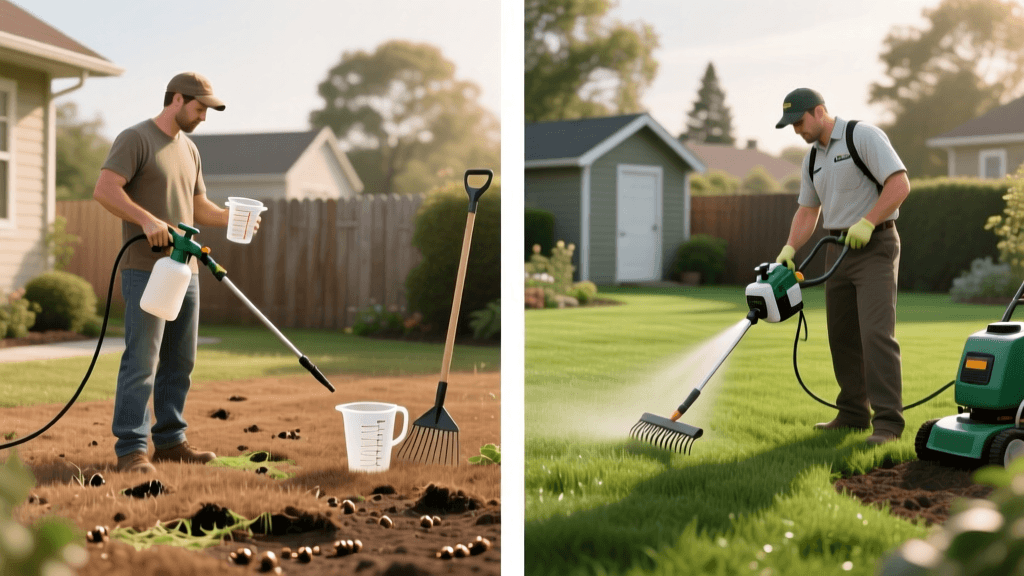
Lawn Grub Control Costs: DIY vs Professional Budget Guide
The Financial Threat of Lawn Grubs
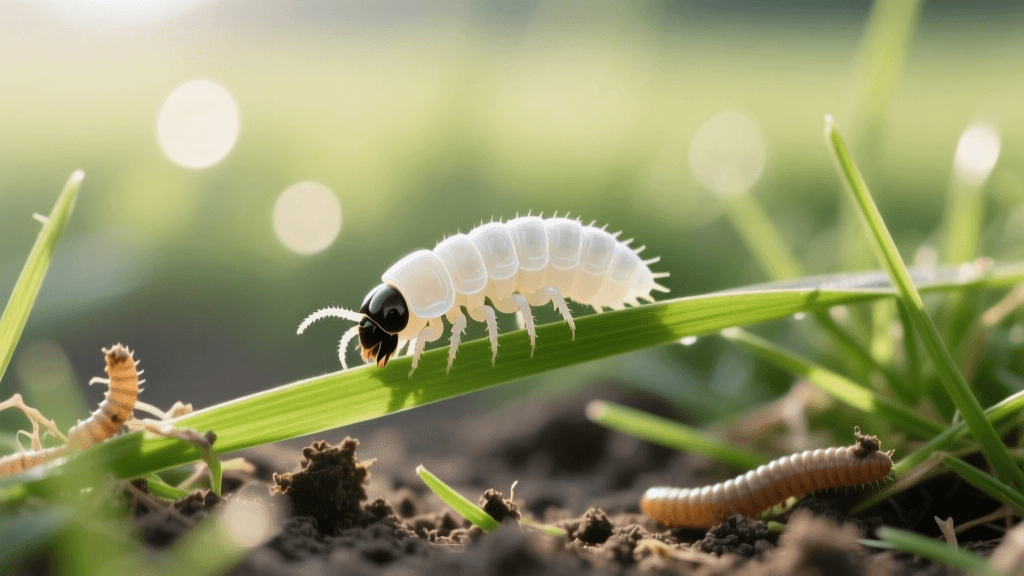
White grubs—the larval stage of Japanese beetles, June bugs, and European chafers—are among the most destructive and costly turfgrass pests in North America. These C-shaped, creamy-white larvae feed aggressively on grassroots, severing the turf from its soil base. When a lawn is heavily infested, the damage goes beyond brown patches; it invites secondary destruction from foraging wildlife and leads to expensive lawn renovation projects. For homeowners, understanding the cost of grub control is not just about pest management; it is a critical component of annual property maintenance and landscape budgeting.
Whether you are weighing the upfront expense of a DIY application against the comprehensive service of a professional lawn care company, budgeting for grub control requires an understanding of product types, application timing, and the hidden costs of inaction. This guide breaks down the true costs of lawn grub control, helping you make the most cost-effective decision for your turf.
Timing is Money: Preventative vs. Curative Treatments
The most fundamental rule of grub control budgeting is that timing dictates the type of product you must buy, which directly impacts your wallet. Grub life cycles are highly predictable, and pest control products are formulated to target specific developmental stages.
- Preventative Treatments: Applied in late spring to mid-summer (May through July), these products target eggs and newly hatched, vulnerable larvae. They are generally less expensive per square foot and cause less environmental stress, but they require forward-thinking and strict budgeting early in the year.
- Curative Treatments: Applied in late summer to early fall (August through October), these fast-acting chemicals target larger, actively feeding grubs that are already causing visible damage. Curative products are often more expensive, require heavier watering to penetrate the soil, and carry a higher risk of turf stress.
Breaking Down DIY Grub Control Costs
Taking the do-it-yourself route is the most budget-friendly approach to grub management, provided you have the time and willingness to apply the products correctly. DIY costs are primarily driven by the active ingredients, lawn size, and equipment.
Preventative Products
The most common active ingredients for DIY preventative grub control are Chlorantraniliprole and Imidacloprid. Products like Scotts GrubEx (Chlorantraniliprole) are widely available at home improvement stores. A standard 28-pound bag of GrubEx covers up to 10,000 square feet and typically retails between $35 and $45. This translates to roughly $3.50 to $4.50 per 1,000 square feet. Imidacloprid-based products (often found in Bayer Advanced formulations) are similarly priced, averaging $4.00 to $5.00 per 1,000 square feet. These products must be watered in with at least 0.5 inches of irrigation to activate them in the soil profile.
Curative Products
If you missed the preventative window and are seeing brown, rolling patches of dead turf in September, you need a curative insecticide. The gold standard for DIY curative treatment is Trichlorfon, commonly sold under the brand name Dylox. Dylox is highly effective at killing mature grubs within 24 to 48 hours, but it degrades rapidly in the soil. A 30-pound bag of Dylox granules covers about 4,500 square feet and costs between $30 and $40. This pushes the cost to approximately $6.50 to $8.80 per 1,000 square feet.
Equipment and Labor
Budgeting for DIY also requires accounting for equipment. If you do not own a broadcast or drop spreader, expect to spend $40 to $80 for a reliable entry-level model. Furthermore, you must factor in the value of your own time, as applying granules and managing the subsequent watering schedule requires a few hours of weekend labor.
Professional Grub Treatment Costs
Hiring a licensed lawn care professional shifts the burden of timing, product selection, and application to the experts. Professional services utilize commercial-grade formulations that are often more effective and longer-lasting than retail consumer products.
Most lawn care companies price their services based on total square footage or tiered lawn sizes. For an average suburban lawn of 5,000 to 10,000 square feet, a single preventative grub control application typically costs between $125 and $200. This equates to roughly $15.00 to $20.00 per 1,000 square feet. While this is significantly higher than the material cost of a DIY approach, the professional price includes the labor, commercial equipment, liability insurance, and often a satisfaction guarantee. If grubs breach a professionally treated lawn, most reputable companies will cover the cost of the curative treatment and any necessary lawn repair.
Cost Comparison: DIY vs. Professional Grub Control
To visualize the financial differences, review the cost breakdown below based on an average 5,000 square foot lawn.
| Treatment Type | DIY Cost (5,000 sq ft) | Pro Cost (5,000 sq ft) | Best Application Window |
|---|---|---|---|
| Preventative (Granular) | $18 - $25 | $125 - $175 | May - July |
| Curative (Trichlorfon) | $35 - $45 | $150 - $225 | August - October |
| Equipment (Spreader) | $40 - $80 (One-time) | $0 (Included) | N/A |
| Lawn Repair (Seed/Soil) | $100 - $250 | $300 - $600 | Early Fall / Spring |
| Lawn Repair (Sod) | $2,500 - $5,000 | $4,000 - $7,500 | As Needed |
The Hidden Costs of Ignoring Grubs
When homeowners attempt to save money by skipping grub control entirely, they often trigger a cascade of hidden expenses that far exceed the cost of preventative treatments. The financial fallout of an unchecked grub infestation includes:
- Wildlife Destruction: Skunks, raccoons, and crows actively hunt grubs. A skunk can tear up hundreds of square feet of pristine turf in a single night, leaving behind deep craters and shredded soil that requires extensive raking, topdressing, and reseeding.
- Turf Replacement: If the root system is entirely consumed, the turf dies and turns to dust. Reseeding a 1,000 square foot area costs roughly $50 to $100 in seed, soil, and straw. However, if you require instant restoration using sod, the cost skyrockets to $0.50 to $1.00 per square foot, meaning a heavily damaged front yard could cost thousands to replace.
- Weed Infiltration: Thin, grub-damaged turf opens the canopy for invasive weeds like crabgrass and nutsedge, necessitating additional budget for post-emergent herbicides the following season.
IPM and Budgeting: Do You Actually Need to Treat?
Integrated Pest Management (IPM) principles dictate that you should not spend money on pesticides unless a pest population has reached an economically damaging threshold. Not every lawn requires an annual grub control application. Many healthy lawns with deep root systems can tolerate low-level grub feeding without showing any visible symptoms.
To avoid wasting your budget on unnecessary chemicals, perform a scouting test in early August. Using a shovel, cut a one-foot by one-foot square of turf, about two inches deep, and peel it back. Count the number of grubs in the soil and root zone.
Expert Citation: According to Cornell University's Integrated Pest Management guidelines, a healthy, well-irrigated lawn can tolerate a certain level of grub feeding. Treatment is typically only economically justified when populations exceed the threshold of 5 to 10 grubs per square foot. If you count fewer than 5 grubs, no treatment is necessary, and you can reallocate those funds to fall aeration or fertilization.
By adopting this scouting method, you transition your budget from a reactive, fear-based expense to a data-driven, strategic investment.
Creating Your Annual Pest Control Budget
To effectively manage your lawn care finances, integrate grub control into a broader annual budget. If you choose the DIY route, allocate approximately $50 to $75 each spring for preventative products and spreader maintenance. If you prefer professional services, expect to add $150 to $250 to your annual landscaping budget.
For maximum cost-efficiency, bundle your grub control with other seasonal treatments. Many professionals offer discounts when grub control is combined with spring pre-emergent crabgrass preventers or fall aeration and overseeding services. By understanding the life cycle of the pests, utilizing IPM thresholds, and comparing the true costs of materials versus labor, you can protect your lawn's root system and your wallet simultaneously.