Pest Control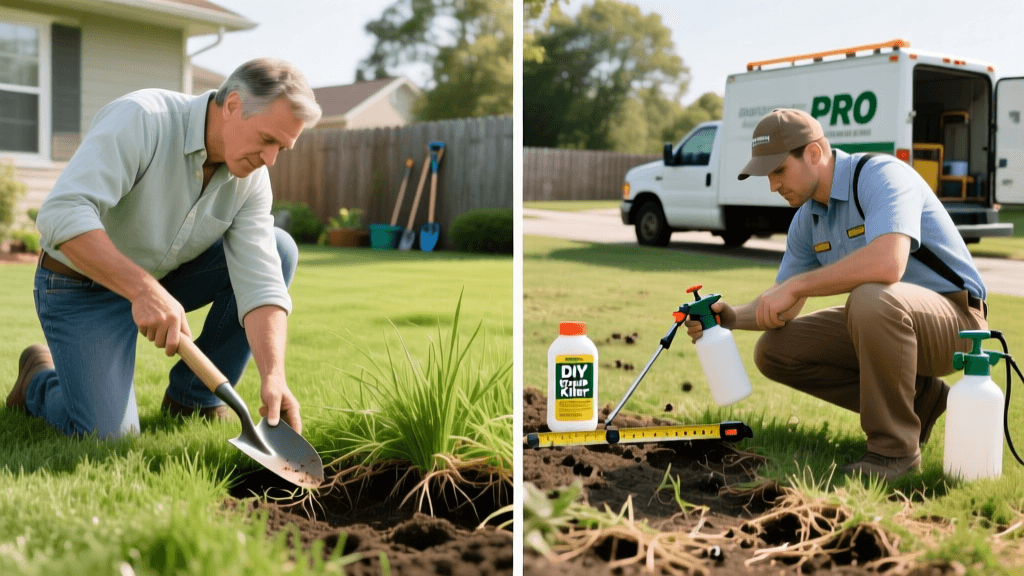
Lawn Grub Control Costs: DIY vs Professional Lawn Care
Introduction to Lawn Grub Damage and Budgeting
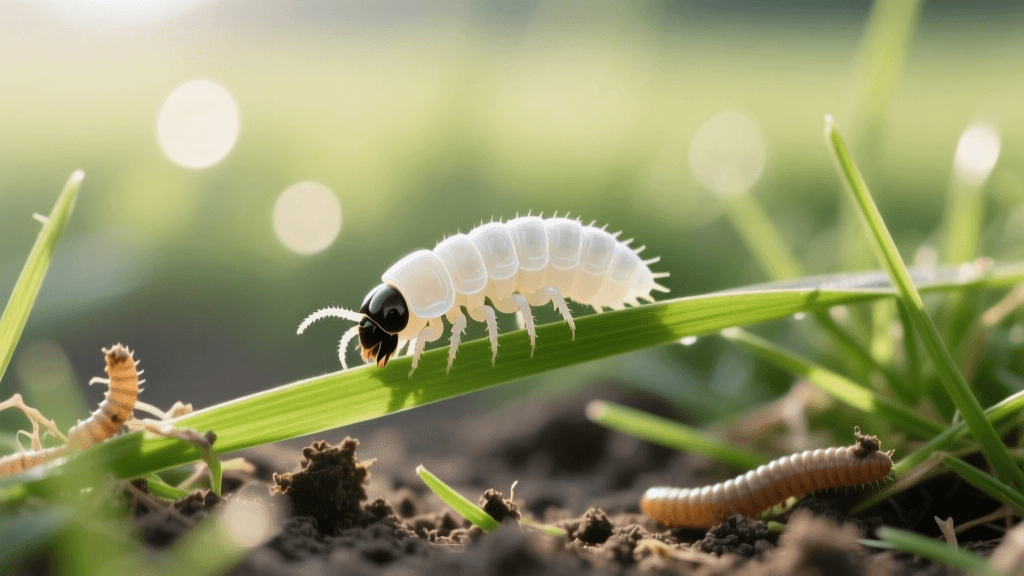
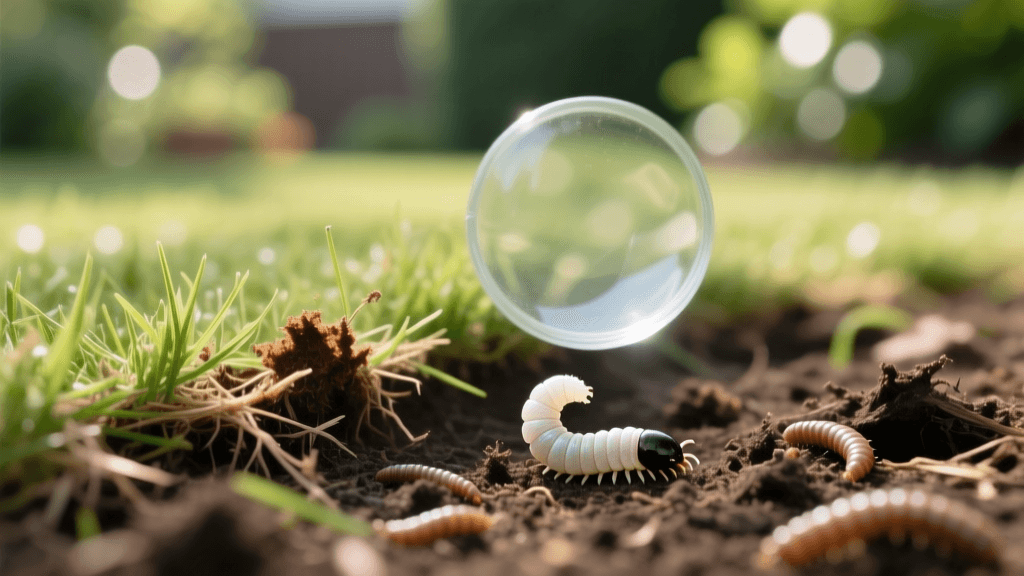
White grubs are the larval stage of scarab beetles, including Japanese beetles, June bugs, and European chafers. These C-shaped, creamy-white pests feed aggressively on turfgrass roots, severing the grass from its nutrient and water supply. The result is irregular brown patches, a spongy feel underfoot, and turf that rolls back like a carpet. Beyond the direct damage, grubs attract secondary pests like skunks, raccoons, and crows, which tear up the lawn to feast on the larvae.
For homeowners, a grub infestation represents a significant financial threat. Ignoring the problem can lead to total lawn renovation costs, including tilling, topsoil replacement, and resodding, which can easily exceed $1,500 for an average-sized yard. Therefore, budgeting for proactive or curative grub control is a critical component of annual lawn care. This guide breaks down the exact costs of DIY treatments, organic alternatives, and professional services to help you make the most cost-effective decision for your landscape.
Step One: Scouting and the IPM Threshold
Before spending a single dollar on pesticides, Integrated Pest Management (IPM) dictates that you must verify the presence and density of the pest. Treating a lawn blindly is a waste of money and harms the local ecosystem.
To scout for grubs, use a flat-edged shovel to cut a one-square-foot section of turf on three sides, about three inches deep. Peel back the sod and count the grubs in the soil and on the roots. Repeat this in three to five different areas of your lawn.
According to the University of Kentucky College of Agriculture, Food and Environment, a healthy, well-irrigated lawn can typically tolerate up to 5 to 10 grubs per square foot without showing visible damage. Chemical or biological treatment is only economically and ecologically justified when populations exceed this threshold of 10 or more grubs per square foot.
DIY Preventative Grub Control: Products and Costs
Preventative treatments are the most cost-effective and reliable way to manage grubs. These products contain long-residual active ingredients that kill young larvae as they hatch in mid-to-late summer. They must be applied before the grubs cause damage, typically between late May and early July.
Chlorantraniliprole (e.g., Scotts GrubEx)
Chlorantraniliprole is widely considered the safest and most effective preventative active ingredient for residential use. It has a low toxicity profile for mammals and beneficial insects like bees. It requires a long activation period, meaning it must be applied in late spring (May to early June) to be fully effective by the time eggs hatch in August.
- Average Cost: $25 to $30 for a bag covering 5,000 sq ft.
- Cost per 1,000 sq ft: $5.00 to $6.00.
- Application Rate: Typically 2.87 lbs per 1,000 sq ft.
Imidacloprid (e.g., Bayer Advanced Merit, various generics)
Imidacloprid is a neonicotinoid that acts as both a preventative and an early-stage curative. It is highly effective but carries higher risks for pollinators if applied to blooming weeds. It should be applied slightly later than Chlorantraniliprole, ideally in late June or early July.
- Average Cost: $35 to $45 for a bag covering 5,000 sq ft.
- Cost per 1,000 sq ft: $7.00 to $9.00.
DIY Curative Grub Control: Fast-Acting Solutions
If you missed the preventative window and discover active grub damage in late August or September, you need a curative product. These insecticides act quickly but have a short residual life, meaning they will not protect the lawn the following year.
Trichlorfon (e.g., Bayer Advanced 24 Hour Grub Killer)
Trichlorfon is a fast-acting organophosphate that kills large, mature grubs within 24 hours. It degrades rapidly in the soil, especially in alkaline conditions, so it will not provide long-term control. It is highly effective for emergency rescue treatments in the early fall.
- Average Cost: $20 to $25 for a box covering 5,000 sq ft.
- Cost per 1,000 sq ft: $4.00 to $5.00.
Carbaryl (e.g., Sevin)
Carbaryl is another curative option, though it is generally less effective on larger third-instar grubs compared to Trichlorfon. It is also highly toxic to earthworms and beneficial soil organisms, making it a less desirable choice for IPM-focused gardeners.
- Average Cost: $15 to $20 for a bag covering 5,000 sq ft.
- Cost per 1,000 sq ft: $3.00 to $4.00.
Organic and Biological Control Options
For homeowners strictly adhering to organic lawn care, biological controls offer a sustainable, albeit sometimes more expensive, alternative to synthetic chemicals.
Beneficial Nematodes (Heterorhabditis bacteriophora)
Microscopic worms that seek out and infect white grubs, releasing bacteria that kill the host within 48 hours. They must be applied in the late summer when grubs are small and soil temperatures are above 60°F. They require immediate watering and protection from UV light.
- Average Cost: $45 to $60 for a formulation covering 5,000 sq ft.
- Cost per 1,000 sq ft: $9.00 to $12.00.
Milky Spore (Paenibacillus popilliae)
A naturally occurring bacterium that targets Japanese beetle grubs specifically. It is applied via a grid system and takes 2 to 5 years to establish in the soil. Once established, it can provide control for 10 to 15 years without reapplication.
- Average Cost: $60 to $80 for a 40 oz tub covering 16,000 sq ft (long-term investment).
- Cost per 1,000 sq ft (amortized): ~$4.50 (initial layout cost is high).
Professional Grub Treatment: Pricing and Value
Hiring a licensed lawn care company removes the guesswork, labor, and equipment costs from your budget. Professional services typically include a thorough property inspection, precise calibration of commercial-grade spreaders, and a satisfaction guarantee that often includes free reseeding if grubs breach the treatment.
Nationally, professional grub control is usually sold as an add-on service to a broader fertilization and weed control program. When purchased as a standalone preventative application, pricing is generally based on the total square footage of the turf.
- Average Cost per Square Foot: $0.04 to $0.08.
- Cost for a 5,000 sq ft Lawn: $200 to $400 per application.
- Cost for a 10,000 sq ft Lawn: $350 to $650 per application.
While the upfront cost is significantly higher than DIY, professionals use commercial-grade formulations like Acelepryn (chlorantraniliprole) at optimized rates, and their guarantee can save you thousands in lawn renovation if an unexpected outbreak occurs.
Cost Comparison Tables
To help you visualize the budget required for an average 5,000 square foot lawn, review the comparison charts below.
Table 1: DIY Product Cost Breakdown (5,000 sq ft)
| Treatment Type | Active Ingredient | Brand Example | Total Cost | Timing |
|---|---|---|---|---|
| Preventative | Chlorantraniliprole | Scotts GrubEx | $28.00 | May - June |
| Preventative | Imidacloprid | BioAdvanced Merit | $42.00 | June - July |
| Curative | Trichlorfon | BioAdvanced 24-Hr | $22.00 | Aug - Sept |
| Organic | Hb Nematodes | Buglogical Control | $55.00 | Aug - Sept |
Table 2: Total Budget Comparison (5,000 sq ft Lawn)
| Approach | Material Cost | Labor/Equipment | Estimated Total |
|---|---|---|---|
| DIY Preventative | $28.00 | $0 (Assuming you own a spreader) | $28.00 |
| DIY Curative | $22.00 | $0 | $22.00 |
| DIY Organic | $55.00 | $0 (Requires hose-end sprayer) | $55.00 |
| Professional Service | Included | Included | $250.00 - $400.00 |
Hidden Costs and Lawn Recovery Budgeting
When calculating your pest control budget, do not forget the peripheral costs associated with application and potential lawn recovery.
- Equipment Costs: If you do not own a rotary broadcast spreader, budget $40 to $70 for a basic model. Granular products cannot be applied effectively by hand.
- Water Bills: Both preventative and curative granular treatments require immediate watering (about 0.5 inches) to move the active ingredient into the root zone. Biological nematodes require keeping the soil continuously moist for two weeks. Factor in a slight increase in your municipal water bill.
- Overseeding and Topsoil: If you are applying a curative treatment in the fall after damage has occurred, you must budget for lawn repair. A 50 lb bag of quality turfgrass seed costs $80 to $150, and a cubic yard of topsoil to fill in dug-up areas costs $30 to $50.
Conclusion: Making the Right Financial Choice
Budgeting for lawn grub control is an exercise in risk management. For the vast majority of homeowners, the DIY preventative route using Chlorantraniliprole is the undisputed winner for cost-efficiency. At roughly $30 for an entire season of protection on a standard suburban lot, it costs less than a single bag of premium grass seed.
However, if you lack the time to monitor local university extension alerts for beetle flights, or if you have a history of severe infestations and animal damage, paying $300 for a professional service with a damage guarantee is a sound financial investment. Always remember to scout your lawn first; if your grub count is below the threshold, the most cost-effective treatment is no treatment at all.