Lawn Care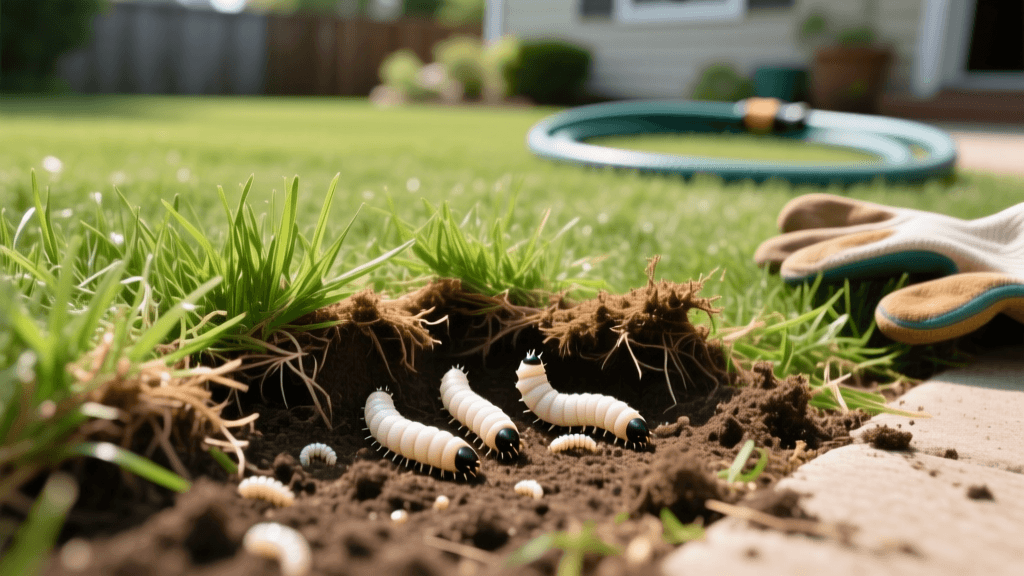
Diagnose and Treat Lawn Grub Infestations: Expert Guide
Identifying the Enemy: What Are Lawn Grubs?
White grubs are the C-shaped, creamy-white larvae of scarab beetles, including Japanese beetles, June bugs, and European chafers. These subterranean pests feed aggressively on the root systems of both cool-season and warm-season turfgrasses. As they sever the roots, the grass loses its ability to uptake water and nutrients, leading to rapid decline, brown patches, and ultimately, dead turf. Diagnosing a grub infestation early is the difference between a simple treatment and a complete lawn renovation.
The life cycle of these pests typically spans one year, with adult beetles emerging in early summer to mate and lay eggs in moist, sunny areas of your turf. By late August, the hatched larvae begin their aggressive feeding phase, making early diagnosis critical for lawn survival.
Step-by-Step Grub Diagnosis
Before purchasing any chemical or organic treatment, you must confirm that grubs are the actual culprit. Drought stress, fungal diseases like brown patch, and dog urine spots can mimic grub damage. Follow these diagnostic steps to confirm an infestation.
1. The Tug Test
Walk to the edge of a brown, damaged patch where it meets the green, healthy grass. Grab a handful of the turf and pull gently. If the grass rolls back like a loose carpet with no root resistance, grubs have likely severed the root system. If the grass holds firm, you are likely dealing with a surface disease or drought stress.
2. The Shovel Test
This is the most accurate way to diagnose grub populations. Using a flat spade, cut a one-foot by one-foot square of turf, about two to three inches deep. Peel back the sod and inspect the soil and roots. Count the number of C-shaped white grubs you find. Replace the sod and water it immediately. Repeat this test in three to four different areas of your lawn, especially in sunny, highly irrigated zones where beetles prefer to lay eggs.
3. Evaluate the Threshold
Not all grubs require treatment. A healthy, vigorously growing lawn can tolerate minor feeding. However, if you find more than five to ten grubs per square foot, the population has reached the economic and aesthetic threshold, and intervention is necessary. Additionally, look for secondary signs of grubs, such as increased activity from skunks, raccoons, armadillos, and flocks of crows or starlings tearing up your lawn to feed on the protein-rich larvae.
Preventative vs. Curative Grub Treatments
Once you have confirmed a grub problem, you must choose between preventative and curative solutions. Your choice depends entirely on the time of year and the life cycle of the grubs.
Preventative Treatments
Preventative products are designed to kill young, newly hatched grubs in mid-to-late summer before they cause significant root damage. These products must be applied in late spring or early summer (May through July) and watered into the soil. They offer long-lasting residual control but are ineffective against large, mature grubs in the fall or early spring. Active ingredients to look for include Chlorantraniliprole (found in Scotts GrubEx) and Imidacloprid.
Curative Treatments
If you discover an active infestation in late summer, early fall, or early spring, you need a fast-acting curative insecticide. These products kill mature, actively feeding grubs within 24 to 48 hours. Trichlorfon (found in Bayer Advanced 24 Hour Grub Killer Plus) and Carbaryl are the industry standards for curative control. Curative treatments break down quickly in the soil, meaning they will not provide protection against the next generation of grubs.
Organic and Biological Controls
For homeowners seeking eco-friendly alternatives, beneficial nematodes (Heterorhabditis bacteriophora) are highly effective when applied in late summer. These microscopic worms seek out grubs, enter their bodies, and release bacteria that kill the host within 48 hours. Nematodes must be kept moist and applied during cooler parts of the day. Another organic option is Milky Spore disease, though it is specific only to Japanese beetle grubs and can take up to three years to establish fully in the soil.
Grub Control Comparison Chart
| Treatment Type | Active Ingredient / Agent | Target Life Stage | Application Timing | Estimated Cost (per 5,000 sq ft) |
|---|---|---|---|---|
| Preventative | Chlorantraniliprole | Young, 1st instar grubs | April - June | $20 - $30 |
| Preventative | Imidacloprid | Young, 1st instar grubs | June - July | $15 - $25 |
| Curative | Trichlorfon | Mature, feeding grubs | August - October / March | $15 - $20 |
| Organic | H. bacteriophora Nematodes | Young to mid-stage grubs | August - September | $30 - $45 |
| Organic | Milky Spore | Japanese beetle grubs only | Anytime soil is workable | $40 - $60 |
Step-by-Step Application Guide
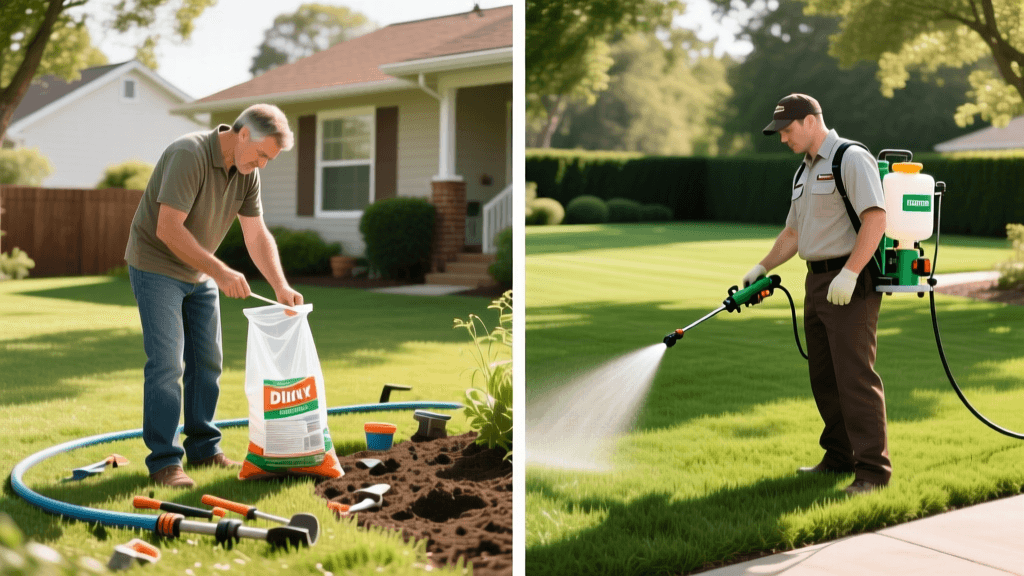
Proper application is critical for grub control products to reach the soil zone where the larvae feed. Follow these steps for maximum efficacy:
- Mow the Lawn: Cut your grass to a height of two to three inches. This prevents the granules from getting trapped in the thatch layer.
- Remove Thatch: If your thatch layer exceeds half an inch, dethatch or core aerate before application to ensure the product reaches the soil.
- Apply the Product: Use a rotary or drop spreader calibrated to the manufacturer's settings. Apply evenly across the affected areas and a buffer zone of ten feet.
- Water Immediately: This is the most crucial step. You must apply at least half an inch of irrigation immediately after spreading the granules. This activates the chemical and washes it off the grass blades and into the root zone. Without water, the product will degrade in the sun and fail to control the grubs.
- Safety First: Always wear long pants, closed-toe shoes, and protective gloves when handling insecticides. Keep children and pets off the treated lawn until the grass is completely dry.
Lawn Recovery: Repairing Grub Damage
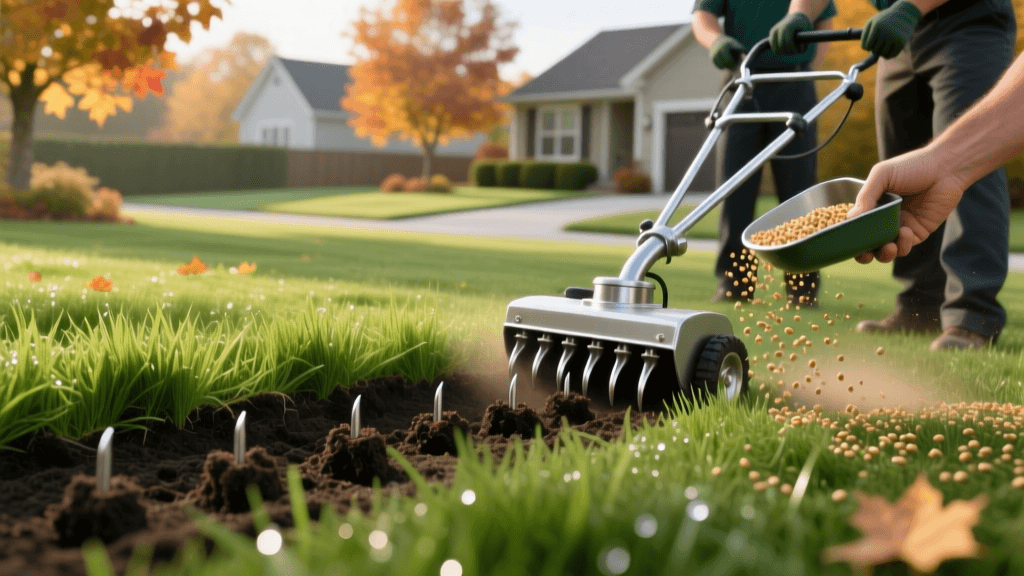
Treating the grubs is only half the battle; you must also repair the damaged turf. If the roots have been completely severed, the dead patches will not recover on their own. Begin by raking away the dead, spongy turf and loosening the top half-inch of soil with a garden rake. Apply a thin layer of compost or topsoil to create a healthy seedbed. Choose a high-quality grass seed that matches your existing lawn—such as Kentucky bluegrass or tall fescue for cool-season lawns, or Bermudagrass for warm-season zones. Sow the seed at the recommended rate, cover lightly with peat moss or straw, and water lightly two to three times a day until germination occurs.
Once the new seedlings reach a height of three inches, apply a starter fertilizer high in phosphorus to encourage deep root development. A soil test is highly recommended during this recovery phase to ensure your pH levels are between 6.0 and 7.0, optimizing nutrient uptake for the recovering turf. Avoid applying broadleaf weed herbicides to newly seeded areas until the new grass has been mowed at least three times.
Expert Insights and Citations
Understanding the economic threshold of grub populations saves homeowners time and money while protecting the local ecosystem from unnecessary pesticide use. According to turfgrass experts at the Purdue University Extension, 'Turfgrass can tolerate a surprising number of grubs if the soil is kept moist and the root system is healthy. However, when populations exceed five to ten grubs per square foot, curative action is often required.' By utilizing the shovel test and adhering to university-backed thresholds, you can manage your lawn care budget effectively while maintaining a pristine, resilient landscape.