Pest Control
Budgeting for Year-Round Lawn Pest Control: DIY vs Pro
The Financial Impact of Lawn Pests
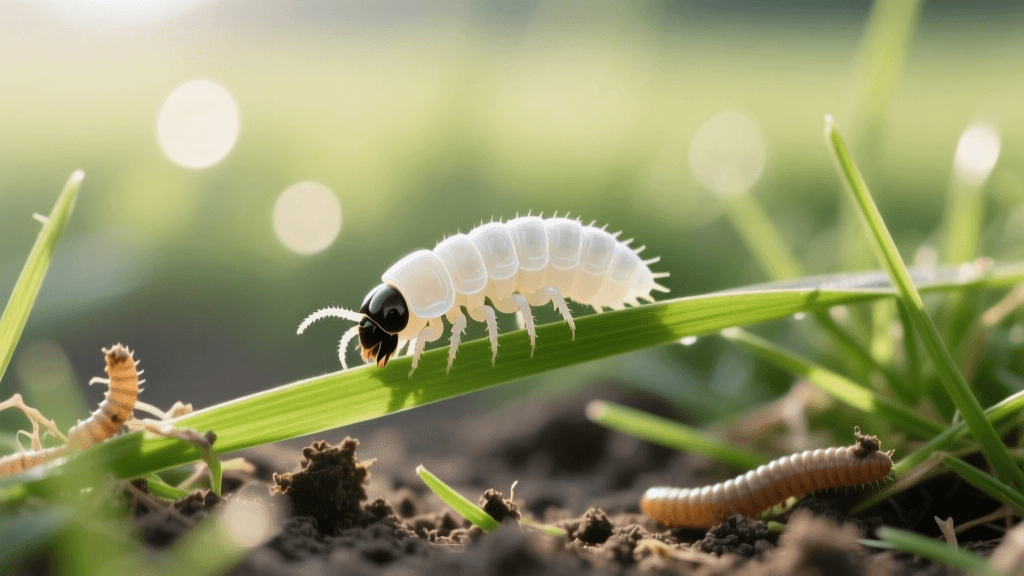
Maintaining a pristine, lush lawn is a point of pride for many homeowners, but the annual battle against lawn-destroying pests can quickly drain your wallet if you are not strategic. From subterranean white grubs that sever grassroots to surface-feeding chinch bugs that leave behind scorched, yellowed patches, turfgrass pests cause billions of dollars in damage and control costs annually across the United States. For the budget-conscious homeowner, the primary dilemma is whether to tackle these infestations with a do-it-yourself (DIY) approach or to hire a licensed professional pest control service. Understanding the true costs, hidden expenses, and long-term financial implications of each route is essential for developing a sustainable lawn care budget. This comprehensive cost and budgeting guide will break down the expenses associated with year-round lawn pest management, providing actionable data to help you make the most financially sound decision for your turf.
Understanding the DIY Pest Control Budget
The DIY route is often perceived as the most budget-friendly option, primarily because you eliminate the labor and markup costs associated with hiring a professional landscaping or pest control company. However, the initial investment in equipment and the ongoing cost of purchasing commercial-grade or consumer-grade pesticides can add up quickly. To accurately budget for DIY pest control, you must account for the cost of active ingredients, application equipment, and the value of your own time. Furthermore, the financial success of a DIY strategy relies heavily on accurate pest identification and precise application timing. Misidentifying a pest or applying a curative insecticide too late in the life cycle not only wastes money on ineffective chemicals but also leaves your lawn vulnerable to severe, costly damage.
Spring Preventative Costs
Spring is the season for preventative pest management, particularly for devastating subsurface pests like Japanese beetle grubs and June beetle larvae. The most cost-effective preventative strategy involves applying a long-residual insecticide containing the active ingredient Chlorantraniliprole. Consumer products like Scotts GrubEx typically cost between $25 and $30 for a bag that covers 5,000 square feet. For a standard quarter-acre lawn (approximately 10,000 square feet of turf), your spring preventative budget will be roughly $50 to $60. Timing is critical; this product must be applied in late May or early June, before the grubs hatch and begin feeding. Investing in a quality broadcast spreader, which costs around $40 to $80 as a one-time capital expenditure, is also necessary to ensure even distribution and prevent chemical waste.
Summer Curative and Organic Costs
As temperatures rise in the summer, surface-feeding insects like chinch bugs, sod webworms, and armyworms become highly active. Budgeting for summer pests requires a dual approach: chemical curatives and organic biological controls. For rapid knockdown of chinch bugs, granular Bifenthrin is a highly effective, budget-friendly option, costing approximately $20 to $25 per 5,000 square feet. Conversely, homeowners committed to organic Integrated Pest Management (IPM) often rely on beneficial nematodes (Heterorhabditis bacteriophora) to control grub populations naturally. Beneficial nematodes are significantly more expensive than synthetic chemicals, typically costing $35 to $50 per million nematodes, which only covers about 2,000 square feet. Therefore, a fully organic summer treatment for a 10,000-square-foot lawn can push your seasonal budget past $150, highlighting the premium placed on biological pest control methods.
Fall Preparation and Overwintering
Autumn is the time to assess late-season damage and prepare the turf for winter dormancy. Fall budgeting should focus on spot-treating any lingering pest hotspots and investing in lawn rehabilitation. If pests have caused localized damage, overseeding and applying a starter fertilizer are necessary. While not strictly pest control, rehabilitating pest-damaged areas is an unavoidable secondary cost. A 50-pound bag of premium grass seed and starter fertilizer will add roughly $80 to $120 to your fall budget. By allocating funds for fall recovery, you prevent the need for complete lawn renovation the following spring, ultimately saving hundreds of dollars in long-term turf replacement costs.
The Cost of Professional Pest Control Services
For homeowners who lack the time, equipment, or desire to handle toxic chemicals, professional pest control services offer a hands-off solution. Professional lawn care companies typically operate on an annual contract basis, bundling pest control with fertilization and weed management. Standalone pest control services or specialized IPM programs generally cost between $400 and $800 annually for a standard 5,000 to 10,000-square-foot lawn. This translates to roughly $50 to $100 per visit, with most programs requiring four to six targeted applications throughout the growing season. The primary financial advantage of hiring professionals is their access to commercial-grade, restricted-use pesticides that are often more effective and longer-lasting than consumer products. Additionally, reputable companies guarantee their work, meaning if a pest outbreak occurs between scheduled visits, they will return to treat the issue at no additional cost, effectively capping your annual pest control liability.
Cost Comparison: DIY vs. Professional Lawn Care
To visualize the financial differences between lawn care strategies, the following comparison chart outlines the estimated annual costs for a standard 10,000-square-foot lawn. These estimates include materials, equipment amortization, and potential recovery costs based on national averages.
| Pest Control Strategy | Estimated Annual Cost (10k sq ft) | Primary Financial Pros | Primary Financial Cons |
|---|---|---|---|
| DIY Chemical (Preventative and Curative) | $80 - $150 | Low material costs; no labor fees. | Requires equipment purchase; high risk of misapplication waste. |
| DIY Organic (Nematodes and Bt) | $150 - $300 | Safe for pets and beneficial insects. | Biological controls are expensive and have short shelf lives. |
| Professional IPM Service | $400 - $800 | Service guarantees; access to commercial-grade products. | High upfront annual cost; requires scheduling coordination. |
| Lawn Renovation (Worst Case Scenario) | $10,000 - $20,000 | Resets the lawn with fresh, pest-resistant cultivars. | Catastrophic expense; requires heavy machinery and intense labor. |
The Secret to Saving Money: Integrated Pest Management (IPM)
The most effective way to reduce your lawn pest control budget, regardless of whether you choose DIY or professional services, is to strictly adhere to the principles of Integrated Pest Management (IPM). IPM is an ecosystem-based strategy that focuses on long-term prevention of pests or their damage through a combination of techniques such as biological control, habitat manipulation, and modification of cultural practices. The cornerstone of IPM budgeting is the concept of the economic injury level and the action threshold. Pests are a natural part of the lawn ecosystem, and a healthy turfgrass can tolerate a certain number of insects without sustaining visible damage. By routinely scouting your lawn and counting pest populations, you can avoid unnecessary chemical applications.
Expert Guidelines and Authoritative Sources
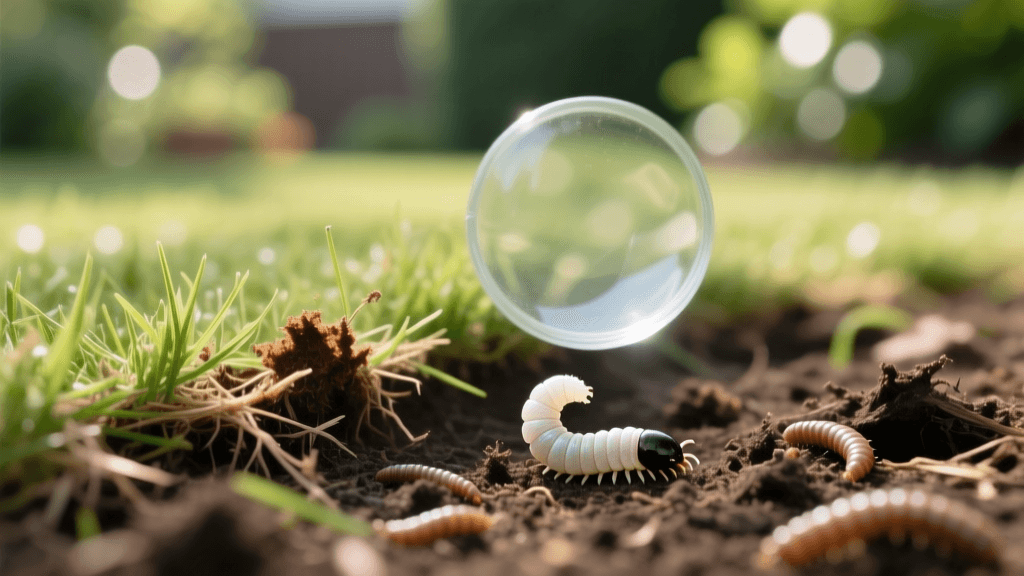
According to turfgrass pathology and entomology guidelines published by Penn State Extension, treating a lawn for white grubs is only economically justified when the population exceeds the action threshold of eight to ten grubs per square foot. If you dig up a one-square-foot section of your lawn and find only three or four grubs, the cost of the insecticide and the environmental impact outweigh the negligible damage the pests will cause. By adopting this threshold-based approach, homeowners can eliminate one or two unnecessary chemical applications per year, instantly reducing their annual pest control budget by twenty to thirty percent while promoting a healthier, more resilient soil microbiome.
Hidden Costs: When Pests Win
When building your pest control budget, it is crucial to account for the hidden costs of inaction or misdiagnosis. The most significant financial risk of ignoring a pest infestation is the cost of lawn renovation. If a severe grub or mole cricket infestation destroys the root system of your turf, the grass will die and detach from the soil, often resembling a rolled-up carpet. Replacing dead turf is extraordinarily expensive. Professional sod installation costs between $1.00 and $2.00 per square foot, including soil preparation, grading, and the sod itself. For a 10,000-square-foot lawn, a total renovation due to pest neglect can cost anywhere from $10,000 to $20,000. Viewed through this lens, spending $100 annually on preventative grub control is a highly cost-effective insurance policy for your landscape investment.
Actionable Budgeting and Prevention Strategies
To maximize your budget and ensure effective pest management, follow these actionable financial and cultural strategies. First, maintain proper mowing heights and deep, infrequent watering schedules; a robust, deeply rooted lawn is naturally more resistant to surface-feeding insects and can recover faster from subsurface root pruning. Second, dethatch and aerate your lawn annually to prevent the buildup of thick thatch layers, which serve as ideal breeding grounds for chinch bugs and sod webworms. Third, always calibrate your spreader and sprayer before applying any chemical or organic treatment. Over-application wastes expensive product and risks chemical burn, while under-application fails to control the pest, leading to secondary treatment costs. Finally, keep a detailed lawn care journal to track pest sightings, treatment dates, and product efficacy, allowing you to refine your budget and strategy year over year.
Conclusion
Ultimately, budgeting for lawn pest control requires a balance between proactive prevention, targeted curative treatments, and cultural lawn care practices. While the DIY approach offers significant upfront savings and is ideal for homeowners willing to invest time in scouting and application, professional services provide convenience, commercial-grade efficacy, and service guarantees. By embracing the scientific thresholds of Integrated Pest Management and recognizing the catastrophic hidden costs of lawn renovation, you can allocate your landscaping funds efficiently. A well-planned pest control budget is not merely an expense; it is a vital investment in the long-term health, beauty, and property value of your outdoor living space.