Pest Control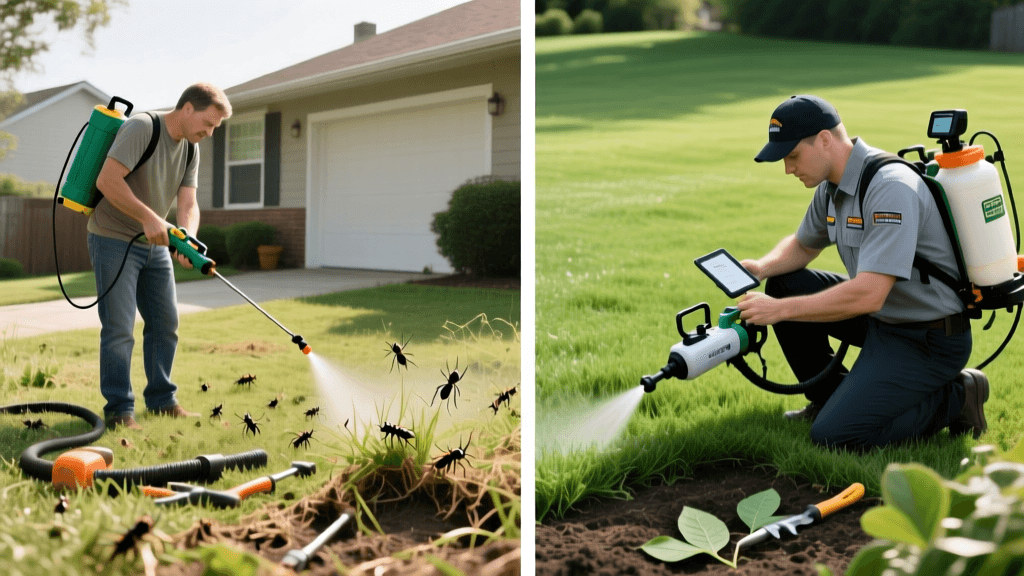
Lawn Pest Control Costs: DIY vs Professional IPM Guide
The Financial Impact of Lawn Pests
When chinch bugs, Japanese beetle grubs, or fall armyworms invade your turfgrass, the immediate concern is often the aesthetic damage. However, as a homeowner, your secondary concern should be the financial impact. Lawn pests do not just create brown patches; they destroy root systems, invite secondary diseases, and necessitate expensive lawn renovations. Replacing a 1,000-square-foot section of damaged lawn with new sod can cost between $300 and $500, while reseeding that same area will cost roughly $50 to $80 in materials, plus the hidden cost of your time and increased water bills. Therefore, budgeting for proactive pest control is not an unnecessary expense; it is an investment in turf preservation.
When planning your annual lawn care budget, you are generally faced with two primary routes: Do-It-Yourself (DIY) Integrated Pest Management (IPM) or hiring a professional lawn care service. This comprehensive cost guide breaks down the financial realities of both approaches, helping you make an informed, budget-friendly decision for your landscape.
DIY Lawn Pest Control: A Budget Breakdown
Taking the DIY route requires an upfront investment in knowledge, equipment, and materials. While it is generally cheaper over the long term, it demands a strict adherence to timing and application rates to avoid wasted money and environmental harm.
1. Diagnostic and Monitoring Costs
Effective IPM begins with accurate identification. Guessing the pest and buying the wrong chemical is a common budget-draining mistake.
- Soil Test Kits ($15 - $30): Essential for determining soil pH and nutrient levels. A healthy, balanced lawn naturally resists severe pest damage.
- Soap Flush Test Supplies ($5): A simple mixture of water and dish soap in a watering can is the cheapest way to force chinch bugs and caterpillars to the surface for identification.
- Hand Lens and Field Guides ($15 - $25): A basic 10x magnification loupe helps identify tiny pests like spider mites or aphids.
2. Organic and Biological Controls
Organic methods are highly effective when timed correctly and are a cornerstone of sustainable IPM strategies.
- Beneficial Nematodes ($30 - $60 per 10 million): Microscopic worms (such as Heterorhabditis bacteriophora) are applied via hose-end sprayer to hunt down soil-dwelling grubs. They must be refrigerated before use and applied when soil temperatures are optimal, making timing critical to protect your investment.
- Milky Spore ($40 - $60): A biological bacterium (Paenibacillus popilliae) specific to Japanese beetle grubs. It is a long-term investment that takes 2 to 3 years to establish but can provide control for up to 15 years once active.
- Neem Oil and Insecticidal Soaps ($15 - $25): Effective for soft-bodied surface insects like aphids and young caterpillars, though they require frequent reapplication.
3. Synthetic Chemical Controls
Synthetics offer reliable, broad-spectrum control but should be used as a last resort or when pest populations exceed economic thresholds.
- Preventative Grub Control ($20 - $40): Products containing Chlorantraniliprole (e.g., Scotts GrubEx) or Imidacloprid are applied in early summer. They cost roughly $1.50 to $2.50 per 1,000 square feet of coverage.
- Curative Grub Control ($25 - $50): Fast-acting chemicals like Trichlorfon (e.g., Bayer Advanced 24 Hour Grub Killer) are used when active grubs are already damaging the turf in late summer or fall.
- Broad-Spectrum Insecticides ($20 - $35): Liquid concentrates containing Bifenthrin or Cyhalothrin are highly effective against surface feeders like armyworms and chinch bugs.
4. Equipment Investments
To apply these products effectively, you need the right tools. Budget for these one-time purchases:
- Drop or Broadcast Spreader ($50 - $120): Required for granular applications.
- Hose-End Sprayer ($15 - $25): Ideal for applying liquid concentrates and nematodes over large areas.
- Pump Backpack Sprayer ($40 - $90): Necessary for precise, targeted spot treatments to avoid blanket-spraying the entire lawn.
Professional Pest Control: What to Expect Financially
Hiring a licensed lawn care operator (LCO) shifts the burden of identification, timing, and application to the experts. While more expensive, it guarantees commercial-grade products and often comes with service warranties.
Pricing Models
- Per-Application Pricing ($75 - $150): Most companies charge based on lawn size. A standard 5,000-square-foot lawn will typically cost around $85 per visit for a targeted pest control application.
- Annual IPM Contracts ($600 - $1,200+): Bundling pest control with fertilization and weed management usually lowers the per-visit cost. These contracts include routine scouting, meaning pests are caught before they cause expensive damage.
- Emergency Curative Visits ($100 - $200): If you wait until your lawn is actively dying to call a professional, you will pay premium emergency rates, plus the cost of lawn renovation.
DIY vs. Professional Lawn Pest Control Cost Comparison
The following table compares the estimated annual costs for a 5,000-square-foot lawn, assuming a moderate pest pressure year requiring both preventative and curative actions.
| Cost Category | DIY Approach (Annual) | Professional Service (Annual) |
|---|---|---|
| Monitoring & Diagnostics | $30 (Soil tests, soap flush) | $0 (Included in service) |
| Preventative Treatments | $35 (Granular spreader app) | $85 (Included in visit) |
| Curative/Emergency Treatments | $45 (Liquid spot treatment) | $125 (Targeted rescue app) |
| Equipment Amortization | $25 (Spreader/Sprayer wear) | $0 |
| Labor / Time Value | 4-6 Hours (Your time) | 0 Hours |
| Total Estimated Annual Cost | $135 | $210+ |
Building a Budget-Friendly Integrated Pest Management (IPM) Plan
Whether you choose DIY or professional services, the most cost-effective strategy is Integrated Pest Management (IPM). IPM is not about total eradication; it is about managing pests economically and sustainably. A core tenet of IPM budgeting is understanding the Economic Injury Level (EIL) and the Action Threshold.
The Economics of Tolerance
Not every bug in your lawn requires a chemical response. Tolerating a minor population of grubs or a few surface-feeding caterpillars saves you the cost of pesticides and application time. You only spend money when the pest population threatens to cause damage that exceeds the cost of the treatment itself.
For example, a healthy lawn can easily tolerate 5 to 7 Japanese beetle grubs per square foot. Spending $40 on a preventative pesticide when your lawn only hosts 3 grubs per square foot is a waste of your budget. By utilizing a cheap $5 soap flush or a $10 sod-cutter sampling tool, you verify the population density before opening your wallet.
Cultural Practices as Free Pest Control
The most budget-friendly pest control methods are the cultural practices you should be doing anyway:
- Proper Mowing Height: Keeping cool-season grasses at 3 to 4 inches shades the soil, retains moisture, and creates a microclimate that is hostile to surface pests like chinch bugs.
- Deep, Infrequent Watering: Watering deeply encourages deep root growth, making the turf more resilient to root-feeding pests. Conversely, frequent shallow watering promotes shallow roots and fungal diseases that attract scavenging insects.
- Core Aeration and Dethatching: Reducing thatch buildup removes the protective habitat where many pests lay their eggs and overwinter.
Expert Insights on Pest Thresholds and Savings
Adhering to university-backed guidelines is the best way to protect your landscape budget from unnecessary chemical applications. According to the University of California Statewide Integrated Pest Management Program (UC IPM), establishing an action threshold is vital for financial and environmental stewardship.
"An action threshold is the point at which pest populations or environmental conditions indicate that pest control action must be taken to prevent the pest from reaching the economic injury level. Seeing a pest does not always mean control is needed; the threshold helps prevent unnecessary pesticide applications, saving money and reducing environmental impact." — University of California Agriculture and Natural Resources (UC ANR).
Similarly, Purdue University Extension emphasizes that preventative grub control should only be budgeted for if your lawn has a documented history of severe grub damage, or if you are maintaining a high-value, intensely managed turf. For low-maintenance lawns, Purdue recommends a curative approach—scouting in late summer and only purchasing rescue treatments if the threshold of 10+ grubs per square foot is exceeded. This targeted approach can reduce a homeowner's annual pest control budget by up to 50%.
Conclusion: Budgeting for a Healthy Lawn
Effective lawn pest control does not require an unlimited budget; it requires strategic planning. If you have the time to scout your lawn, accurately identify pests, and calibrate your equipment, the DIY IPM route offers substantial savings, typically costing under $150 annually for an average-sized lawn. However, if your time is better spent elsewhere, investing $600 to $1,000 annually in a professional IPM contract provides peace of mind, commercial-grade efficacy, and service guarantees.
Ultimately, the most expensive pest control strategy is a reactive one. By budgeting for proactive soil health, routine scouting, and targeted treatments based on scientific thresholds, you can maintain a pristine, pest-resilient lawn without overspending.