Lawn Care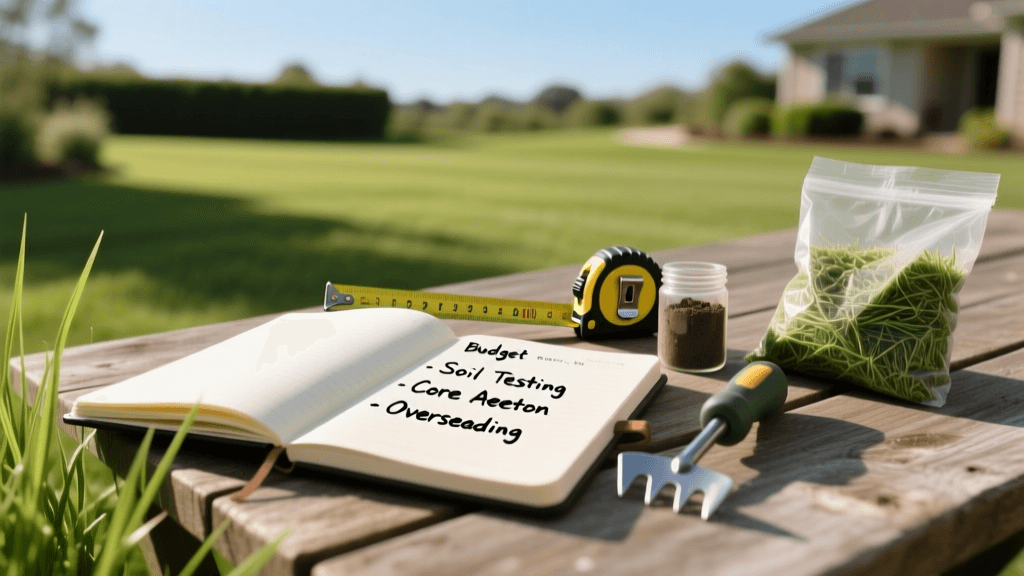
Lawn Renovation Cost Guide: Aeration, Seeding, and Soil
Why Budgeting for Lawn Renovation Matters
Every homeowner dreams of a thick, vibrant lawn that serves as the envy of the neighborhood. However, achieving that pristine turf often requires more than just routine mowing and occasional watering. When your yard suffers from severe compaction, thinning grass, or persistent weed invasions, a full lawn renovation becomes necessary. Transforming a patchy, weed-filled yard into a lush, green carpet is a highly rewarding project, but it is also a significant financial investment. Without a clear budget, the costs of equipment rentals, premium grass seed, specialized fertilizers, and increased water usage can quickly spiral out of control.
This comprehensive cost and budgeting guide breaks down the exact expenses associated with the three pillars of lawn renovation: soil testing, core aeration, and overseeding. Whether you are managing a small urban yard or a sprawling suburban estate, understanding the financial breakdown of DIY versus professional lawn care services will help you allocate your resources efficiently and maximize your return on investment.
Phase 1: Soil Testing Costs and Value
Before spending a single dime on grass seed or fertilizer, you must understand the chemical and physical composition of your soil. Guessing your soil's pH and nutrient deficiencies is a common budgeting mistake that leads to wasted products and poor germination rates. A professional soil test provides a precise roadmap for your renovation, telling you exactly how much lime, sulfur, or specific macronutrients your lawn requires.
According to the Penn State Extension, a comprehensive soil test from an accredited university or private laboratory is the most reliable method for determining soil health. While DIY colorimetric test kits from big-box hardware stores cost between $10 and $15, they are notoriously inaccurate and lack actionable recommendations. University extension soil labs typically charge between $15 and $30 per sample. This minor upfront cost can save you hundreds of dollars by preventing the over-application of unnecessary fertilizers and soil amendments.
Budgeting for Soil Amendments
Once your soil test results return, you may need to adjust your pH. Granular limestone (to raise pH) or elemental sulfur (to lower pH) generally costs between $15 and $25 per 40-pound bag, which covers approximately 1,000 to 2,000 square feet depending on the severity of the adjustment needed. Always factor these amendment costs into your initial renovation budget, as applying seed to soil with an improper pH will result in failed germination and wasted money.
Phase 2: Core Aeration Pricing Breakdown
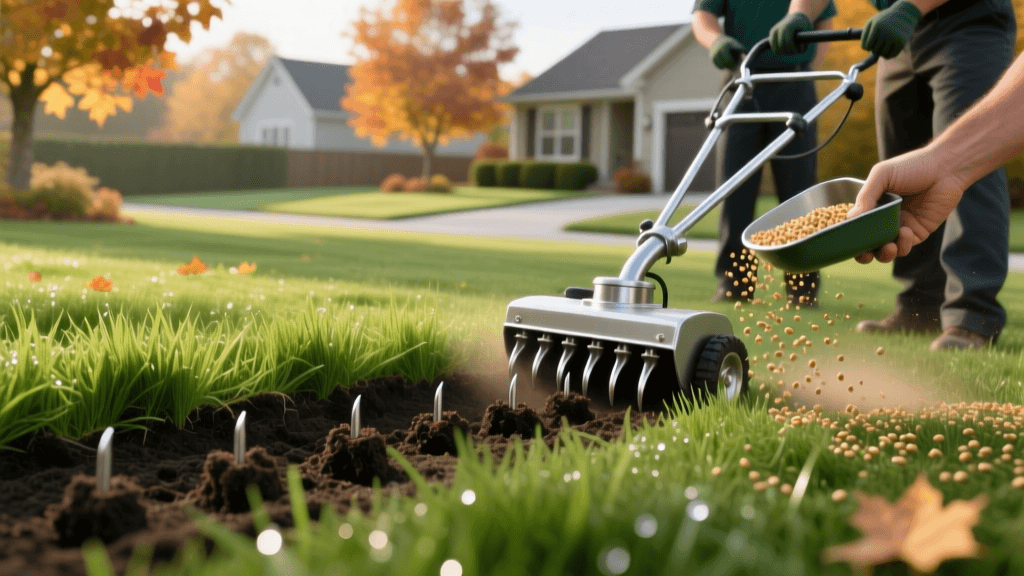
Soil compaction is the silent killer of turfgrass. Compacted soil prevents water, oxygen, and nutrients from reaching the root zone, leading to shallow roots and increased vulnerability to drought and disease. Core aeration involves pulling small plugs of soil from the ground to alleviate compaction and create ideal pockets for new seed to establish.
The DIY Aeration Route
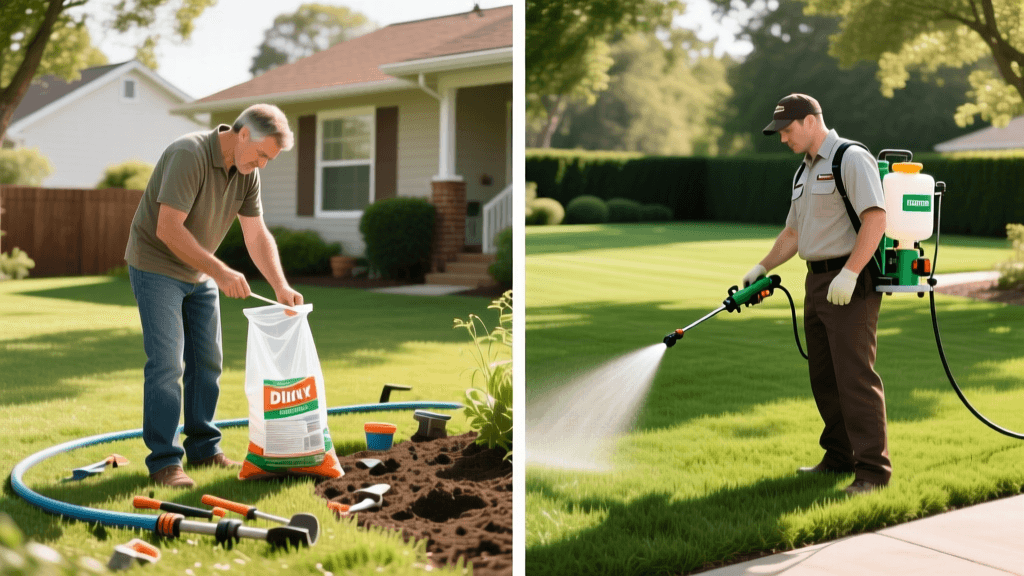
For the budget-conscious homeowner, renting a walk-behind core aerator is the most cost-effective approach. Equipment rental centers and major home improvement stores typically charge between $80 and $120 per day, or $50 to $70 for a four-hour half-day rental. However, the DIY budget must also account for hidden logistical costs. Aerators are incredibly heavy, often weighing between 200 and 300 pounds. You will need a pickup truck or a trailer to transport the machine, plus the physical help of at least one other person to load and unload it safely. Additionally, you must budget for gasoline, as these machines consume a significant amount of fuel.
Hiring a Professional Aeration Service
If you lack the physical capability, transportation, or time to handle a heavy aerator, hiring a professional lawn care company is the logical alternative. Professional services typically charge between $15 and $25 per 1,000 square feet for core aeration. For a standard 5,000-square-foot lawn, expect to pay between $150 and $250. While this is more expensive than a half-day rental, professionals use commercial-grade, deep-tine aerators that pull significantly deeper and wider cores than standard rental models, providing superior long-term value for your soil structure.
Phase 3: Overseeding and Starter Fertilizer Expenses
Once the soil is tested, amended, and aerated, it is time to introduce new grass seed and the necessary nutrients to support rapid germination. The cost of overseeding varies wildly based on the grass species you choose and the quality of the seed.
Grass Seed Costs by Variety
Always purchase seed with a germination rate of 85% or higher and a weed seed content of less than 0.5%. Avoid cheap, generic seed mixes that contain high percentages of annual ryegrass or filler material, as these will die off after one season, forcing you to repeat the renovation process and double your long-term costs.
- Tall Fescue (Cool-Season): Highly durable and drought-tolerant. Expect to pay $6 to $10 per pound. The standard overseeding application rate is 5 to 6 pounds per 1,000 square feet.
- Kentucky Bluegrass (Cool-Season): Offers a beautiful, dark green color and spreading rhizomes. Costs $10 to $15 per pound. The application rate is much lower, typically 1 to 2 pounds per 1,000 square feet.
- Bermudagrass (Warm-Season): Excellent for high-traffic southern lawns. Hulled Bermudagrass seed costs $15 to $25 per pound, with an application rate of 1 to 2 pounds per 1,000 square feet.
The Importance of Starter Fertilizer
New grass seedlings require high levels of phosphorus to develop strong root systems. A standard lawn fertilizer will not suffice; you need a specialized starter fertilizer with an N-P-K (Nitrogen-Phosphorus-Potassium) ratio similar to 10-18-10 or 18-24-12. A high-quality 40-pound bag of starter fertilizer costs between $35 and $50 and covers up to 5,000 square feet. Do not skip this step, as the lack of immediate phosphorus will severely stunt root development and reduce your overall germination success rate.
Phase 4: The Hidden Cost of Irrigation
The most frequently overlooked expense in any lawn renovation budget is the cost of water. New grass seed must remain consistently moist in the top half-inch of soil until germination occurs, which can take anywhere from 7 to 21 days depending on the grass species and weather conditions. This requires light, frequent watering two to three times a day.
Depending on your local municipal water rates, keeping 5,000 square feet of lawn constantly moist for three weeks can add $50 to $150 to your monthly water bill. If you are on a well system, you must budget for the increased electricity required to run your well pump. To mitigate these costs, plan your renovation during the optimal seasonal windows—early fall for cool-season grasses and late spring for warm-season grasses—when natural rainfall and cooler temperatures reduce the need for supplemental irrigation.
Comprehensive Cost Comparison: DIY vs. Professional
To help you visualize the financial commitment, the table below outlines the estimated costs for renovating a standard 5,000-square-foot lawn using Tall Fescue seed. This comparison highlights the financial trade-offs between investing your own sweat equity and paying for professional convenience and commercial-grade results.
| Renovation Phase | DIY Cost Estimate | Professional Service Estimate |
|---|---|---|
| Soil Testing (Lab) | $20 | $75 (Includes consultation) |
| Core Aeration | $90 (Half-day rental + gas) | $200 |
| Tall Fescue Seed (30 lbs) | $210 | $250 (Premium commercial seed) |
| Starter Fertilizer | $45 | $65 |
| Labor & Transport | $0 (Your time) + Truck rental | Included in service fee |
| Total Estimated Cost | $365 - $450 | $590 - $750 |
As illustrated, the DIY route can save you roughly $250 to $300 on a mid-sized lawn. However, this savings comes at the cost of intense physical labor, logistical planning, and the assumption of all execution risks.
Expert Tips to Maximize Your Lawn Care Budget
If you are committed to the DIY route but want to stretch your lawn care budget even further, consider implementing the following expert strategies:
- Share Equipment Rentals: Coordinate with neighbors who are also planning fall or spring lawn renovations. Splitting the cost of a full-day aerator rental and a bulk pallet of starter fertilizer can reduce your individual equipment and material costs by up to 50%.
- Time Your Purchases: Buy your grass seed and fertilizer during late summer or late winter sales. Many garden centers discount their inventory to clear shelf space before the peak seasonal rushes in September and April.
- Utilize Compost Topdressing: Instead of purchasing expensive bagged peat moss to cover your newly sown seed, source bulk screened compost from a local landscape supply yard. A cubic yard of compost costs around $30 to $50 and provides superior moisture retention and microbial activity compared to bagged alternatives.
- Invest in a Smart Irrigation Controller: While it adds an upfront cost of $100 to $150, upgrading to a Wi-Fi-enabled smart sprinkler controller that adjusts watering schedules based on local hyper-local weather data can reduce your seasonal water bill by 20% to 30%, paying for itself in a single season.
Final Thoughts on Lawn Renovation Budgeting
Successful lawn renovation is a marathon, not a sprint. By accurately forecasting the costs of soil testing, core aeration, premium seed, and increased irrigation, you can avoid the financial stress that often accompanies major landscaping projects. Whether you choose to sweat it out with a rental aerator or hire a certified turf professional, prioritizing soil health and using high-quality inputs will ensure that your budget translates into a resilient, beautiful lawn that adds lasting value to your property.