
Landscaping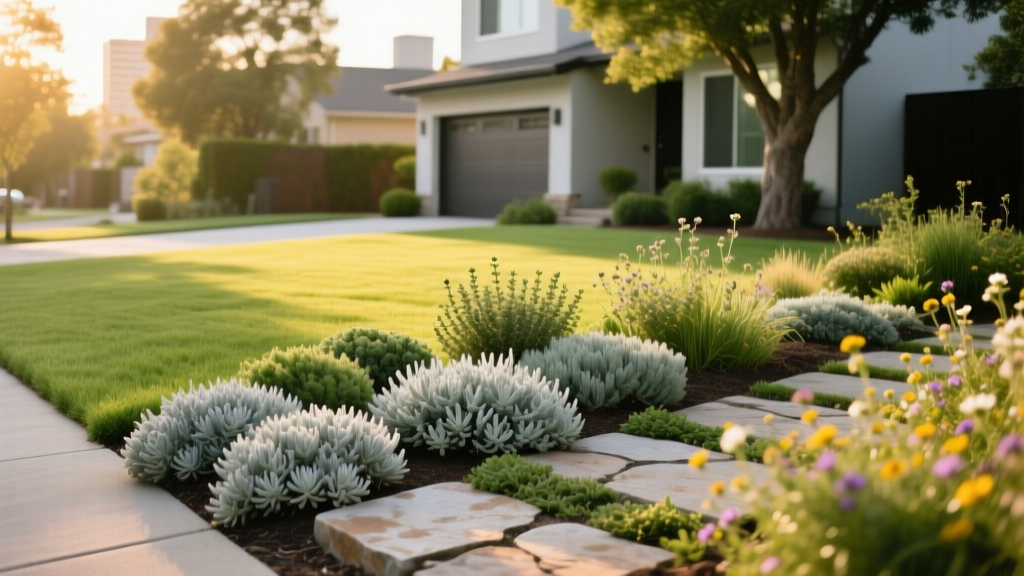
How to Convert Your Lawn to Drought-Tolerant Groundcovers
Sarah ChenPublished
The Hidden Cost of Traditional Turf
For decades, the American dream has been synonymous with a pristine, emerald-green Kentucky Bluegrass or Tall Fescue lawn. However, as climate change accelerates and water restrictions become more frequent across the country, maintaining traditional turf is becoming an ecological and financial burden. According to EPA WaterSense, outdoor water use accounts for nearly 30% of total household water consumption, and in arid regions, this figure can skyrocket to 60%. Much of this water is lost to evaporation, runoff, and inefficient sprinkler systems.
Transitioning your landscape from a high-maintenance, water-thirsty monoculture to a diverse, drought-tolerant groundcover ecosystem is one of the most impactful landscaping decisions you can make. Not only does this approach drastically reduce your water bill, but it also eliminates the need for synthetic fertilizers, reduces gasoline-powered mowing emissions, and restores vital habitats for local pollinators.
Top Drought-Tolerant Groundcover Alternatives
Before breaking ground, it is essential to select the right plant for your specific microclimate, soil type, and foot-traffic requirements. Below is a comparison of four premier drought-tolerant groundcovers that serve as excellent turf replacements.
| Groundcover Species | Traffic Tolerance | Water Needs (Established) | Sun Exposure | Establishment Time |
|---|---|---|---|---|
| White Microclover (Trifolium repens var. Pirouette) | Moderate to High | Very Low | Full Sun to Part Shade | 2 to 3 Months |
| Kurapia (Lippia nodiflora) | High | Extremely Low | Full Sun | 3 to 5 Months |
| Creeping Thyme (Thymus serpyllum) | Moderate | Low | Full Sun | 4 to 6 Months |
| Stonecrop (Sedum spurium) | Low (Walkways only) | Negligible | Full Sun to Part Shade | 6 to 8 Months |
White Microclover is a favorite among eco-conscious landscapers. It naturally fixes nitrogen in the soil, eliminating the need for synthetic fertilizers. Furthermore, the Xerces Society notes that replacing traditional lawns with legumes like clover provides crucial foraging habitat for native bees and other beneficial insects.
Kurapia, a highly researched cultivar of Lippia nodiflora developed by the University of California, is a sterile groundcover that spreads via rhizomes. It stays incredibly low to the ground, requires mowing only once or twice a year (if at all), and survives severe drought conditions by going dormant and bouncing back once water is reintroduced.
Step-by-Step Lawn Conversion Guide
Converting a lawn is not as simple as scattering seeds over existing grass. Proper site preparation is the single most important factor in the long-term success of your drought-tolerant landscape.
Step 1: Turf Eradication via Sheet Mulching
Avoid using harsh chemical herbicides like glyphosate, which can damage soil biology and linger in the environment. Instead, use the sheet mulching (or lasagna) method to smother the existing grass while building soil organic matter.
- Mow Low: Scalp the existing lawn to the lowest setting on your mower (about 1 inch).
- Water the Soil: Deeply water the area to activate soil microbes and encourage earthworm activity.
- Apply Cardboard: Lay down overlapping sheets of plain, uncoated corrugated cardboard. Remove all tape and labels. Overlap the edges by at least 6 inches to prevent weeds from finding sunlight.
- Top with Mulch: Cover the cardboard with 3 to 4 inches of arborist wood chips or a mix of compost and straw. This holds the cardboard in place, retains moisture, and begins the decomposition process.
- Wait: Allow the area to sit for 6 to 8 weeks. The grass beneath will die and decompose, adding rich organic matter back into the soil profile.
Step 2: Soil Amendment and Aeration
Drought-tolerant groundcovers thrive in well-draining soil. Once the cardboard has begun to break down, use a broadfork or core aerator to relieve soil compaction. Top-dress the area with a 1/2-inch layer of high-quality, screened organic compost. If your soil is heavy clay, incorporate expanded shale or pumice to improve drainage and prevent root rot during rare but heavy rain events.
Step 3: Planting Plugs vs. Seeding
While microclover can be broadcast seeded at a rate of 1 to 2 pounds per 1,000 square feet, most groundcovers like Kurapia, Creeping Thyme, and Sedum are best established using vegetative plugs.
- Plug Sizing: Purchase 72-count trays of 2-inch or 4-inch deep-root plugs.
- Spacing: For rapid coverage, plant plugs 6 to 9 inches apart on center in a staggered, diamond grid pattern. For a slower, more budget-friendly establishment, space them 12 to 18 inches apart.
- Planting Technique: Use a dibber or a 2-inch auger bit attached to a cordless drill to quickly dig uniform holes. Place the plug so the crown is level with the soil surface, backfill, and gently tamp down to remove air pockets.
Irrigation Transition and Establishment
The most common mistake homeowners make when installing drought-tolerant landscapes is treating them like established plants on day one. Groundcovers require consistent moisture to develop deep root systems before they can withstand drought.
Days 1 to 30 (Root Establishment): Water daily or every other day for 10 to 15 minutes using a low-volume sprinkler or temporary drip grid. The goal is to keep the top 2 inches of soil consistently moist, not waterlogged.
Days 31 to 90 (Deep Rooting): Reduce watering frequency to twice a week, but increase the duration to encourage roots to chase moisture deeper into the soil profile.
Year Two and Beyond: Once established, most of these groundcovers will survive solely on natural rainfall in temperate zones. In extreme desert climates, a deep soak via drip irrigation once every two weeks during peak summer heat will keep the landscape vibrant.
The Role of Soil Microbiology
Drought tolerance is heavily reliant on the soil food web. Mycorrhizal fungi form symbiotic relationships with plant roots, effectively extending the root system's reach by up to 100 times. When planting your plugs, dust the roots with an endomycorrhizal inoculant powder. This biological amendment ensures that your groundcover can access deep soil moisture and nutrients that would otherwise be out of reach, drastically reducing the plant's physiological stress during dry spells.
Cost Breakdown and Long-Term ROI
While the initial investment for a groundcover conversion is higher than simply re-seeding a traditional lawn, the return on investment (ROI) is realized within 3 to 5 years through eliminated water, fertilizer, and maintenance costs. As highlighted by resources such as the University of Minnesota Extension, lawn alternatives significantly reduce the hidden environmental and financial costs of suburban landscaping.
Estimated Costs per 1,000 Square Feet:
- Sheet Mulching Materials: $50 - $150 (Cardboard is often free from local appliance stores; bulk mulch costs vary).
- Compost & Soil Amendments: $100 - $200.
- Plants (Plugs): $250 - $450 (Assuming 12-inch spacing, requiring roughly 90 plugs).
- Seed Alternative (Microclover only): $30 - $60.
- Total Initial Investment: $400 - $800.
Annual Savings:
- Water Bill Reduction: $150 - $400+ per year (depending on local utility rates and climate).
- Fertilizer & Herbicides: $50 - $100 per year.
- Lawn Care Service/Mowing Fuel: $300 - $800+ per year.
By year three, the average homeowner will have completely recouped their initial installation costs, leaving them with a resilient, ecologically vibrant landscape that thrives in the face of watering restrictions and summer heatwaves.
Final Thoughts on Sustainable Landscaping
Converting your lawn to a drought-tolerant groundcover is a profound shift in how we interact with our outdoor spaces. It moves us away from the paradigm of dominating nature with chemicals and excessive water, and toward a partnership with natural ecosystems. Whether you choose the soft, walkable carpet of microclover, the resilient spread of Kurapia, or the fragrant blooms of creeping thyme, you are investing in a landscape that is as beautiful as it is sustainable. Start small by converting a difficult-to-mow parkway or a sunny, dry slope, and watch as your water-wise garden becomes the envy of the neighborhood.

