Lawn Care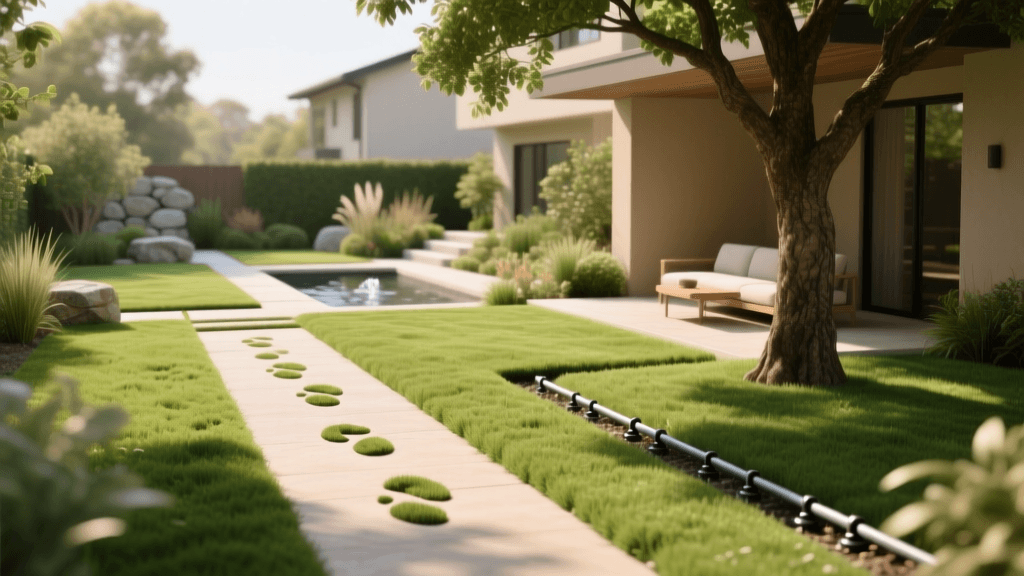
Lawn Zone Design: Planning for Traffic and Microclimates
When most homeowners look out at their yard, they see a single, uniform expanse of green. However, treating your entire lawn as a single monoculture is a primary reason for patchy growth, persistent weed invasions, and skyrocketing water bills. The secret to a resilient, visually striking, and low-maintenance landscape lies in lawn zone design. By planning your lawn care strategy around functional zones, microclimates, and traffic patterns, you can cultivate a thriving turf tailored to the unique demands of every square foot of your property.
The Philosophy of Functional Lawn Zoning
Functional lawn zoning is the practice of dividing your yard into distinct management areas based on how the space is used and the environmental conditions present. Instead of applying the same fertilizer, irrigation schedule, and mowing height across the board, zoning allows you to customize your lawn care regimen. This design-forward approach not only improves the aesthetic appeal of your landscape but also drastically reduces the inputs required to maintain it. A well-planned lawn integrates hardscaping, garden beds, and varied turfgrass species to create a cohesive, eco-friendly outdoor living space.
Step 1: Mapping Your Yard's Microclimates
Before purchasing seed or adjusting your sprinkler system, you must map the microclimates within your yard. A microclimate refers to a localized area where environmental conditions differ from the surrounding general climate. Factors such as sun exposure, wind patterns, and soil drainage play massive roles in turf health.
Tracking Sun and Shade Patterns
Spend a weekend observing your yard. Note which areas receive full sun (six or more hours of direct sunlight), partial shade (four to six hours), and heavy shade (less than four hours). For example, the south-facing strip along your driveway may bake in the afternoon sun, requiring a drought-tolerant, heat-resistant grass like Bermudagrass or Zoysia. Conversely, the north side of your home, shadowed by mature oak trees, will require a shade-tolerant blend featuring Fine Fescues or rough bluegrass.
Evaluating Soil Drainage and Topography
Low-lying areas often suffer from poor drainage, leading to root rot and fungal diseases like Pythium blight. Before planning your turf zones, conduct a percolation test. Dig a hole 12 inches deep and 12 inches wide, fill it with water, and let it drain. Refill it and measure how long it takes to drain. If the water level drops less than 1 inch per hour, you have heavy clay soil that requires amendment with organic compost or the installation of a French drain before planting turf. For accurate nutrient and pH profiling, send soil samples to a professional lab like Logan Labs or your local university extension office. Expect to pay between $15 and $30 per sample, a crucial investment for targeted fertilization.
Step 2: Designing High-Traffic vs. Low-Traffic Zones
Not all grasses are created equal when it comes to wear tolerance. Designing your lawn means acknowledging where foot traffic is heaviest and selecting turf that can withstand the abuse.
High-Traffic Zones: Play Areas and Pathways
Areas surrounding patios, children's playsets, and natural walking paths endure severe soil compaction and physical shearing. For cool-season climates, Kentucky Bluegrass and Perennial Ryegrass blends are excellent choices due to their aggressive rhizomatous growth, which allows them to recover quickly from damage. A product like Jonathan Green Black Beauty Ultra provides the deep rooting and wear tolerance needed for these zones. For warm-season regions, Hybrid Bermudagrass (such as 'Tifway 419') is the gold standard for high-traffic resilience. In these zones, plan to core aerate annually to a depth of 3 to 4 inches to alleviate compaction.
Low-Traffic Zones: Visual and Ecological Buffers
For the perimeters of your property, steep slopes, or areas nestled behind garden beds where foot traffic is nonexistent, prioritize low-maintenance and ecological benefits. Hard Fescue and Chewings Fescue require minimal mowing, thrive in poor soils, and demand significantly less nitrogen fertilizer. Alternatively, consider converting these low-traffic zones into native clover lawns or micro-clover blends, which naturally fix nitrogen in the soil and support local pollinator populations.
Step 3: Hydrozoning for Irrigation Efficiency
Irrigation is where poor lawn planning becomes most expensive. Hydrozoning is the practice of grouping plants and turf with similar water requirements into distinct irrigation valves. According to the University of California Agriculture and Natural Resources (UC ANR), implementing hydrozoning in landscape design can reduce outdoor water use by up to 30% while preventing the overwatering that leads to shallow root systems and fungal outbreaks.
'Hydrozoning allows the landscape manager to apply water only where it is needed, in the amount needed, and at the right time. This prevents the common problem of overwatering shade-tolerant plants to meet the needs of adjacent sun-loving turf.' - University of California Agriculture and Natural Resources (UC ANR)
To execute this, upgrade your standard spray heads to Hunter MP Rotators. These multi-stream rotary nozzles apply water at a slower rate (0.4 inches per hour), allowing heavy clay soils to absorb moisture without runoff. Group your sunny, high-traffic Kentucky Bluegrass zones on Valve A, and your shaded, low-traffic Fine Fescue zones on Valve B. Valve A may require 1.5 inches of water per week in mid-summer, while Valve B may only need 0.75 inches.
Turfgrass Zoning Matrix: Selection Guide
Use the following data table to plan your turf selection based on the specific functional zones within your landscape design.
| Turfgrass Species | Climate Type | Wear Tolerance | Water Needs | Shade Tolerance | Best Landscape Zone |
|---|---|---|---|---|---|
| Kentucky Bluegrass | Cool-Season | High | High | Poor | Sunny play areas, front lawns |
| Tall Fescue | Cool-Season | Medium-High | Medium | Medium | General use, transitional zones |
| Fine Fescue | Cool-Season | Low | Low | Excellent | Shaded borders, low-traffic slopes |
| Bermudagrass | Warm-Season | Very High | Low-Medium | Very Poor | Sports fields, high-traffic sunny paths |
| Zoysiagrass | Warm-Season | High | Low | Medium | Patios, general family yards |
| St. Augustine | Warm-Season | Low-Medium | High | Excellent | Coastal shaded yards, low-traffic |
Step 4: Budgeting and Implementation Costs
Transitioning to a zoned lawn design requires an upfront investment, but the long-term savings in water, fertilizer, and replacement sod make it highly cost-effective. Here is a breakdown of expected costs and planning metrics for a standard 5,000-square-foot lawn renovation.
- Soil Testing and Planning: $50 - $100 for comprehensive lab tests and site mapping.
- Irrigation Upgrades: Retrofitting a 6-zone system with MP Rotators and smart controllers (like the Rachio 3) costs approximately $400 - $600 in materials, yielding a 20% to 30% reduction in monthly water bills.
- Turf Installation (Seed): High-quality, zone-specific seed blends cost between $0.10 and $0.25 per square foot. Total for 5,000 sq ft: $500 - $1,250.
- Turf Installation (Sod): If you need instant high-traffic durability, sod costs between $0.50 and $1.50 per square foot, plus delivery and labor. Total for 5,000 sq ft: $2,500 - $7,500.
- Soil Amendment: Topdressing with screened compost to improve drainage in low-lying zones costs roughly $30 to $50 per cubic yard.
Seasonal Timing for Zone Implementation
Timing your implementation is critical for establishment. If you are planting cool-season grasses (Bluegrass, Fescue) in your designated zones, plan your aeration, soil amendment, and overseeding for early fall (late August to mid-September). The warm soil and cool air promote rapid root growth before winter dormancy. For warm-season grasses (Bermuda, Zoysia), schedule your sod installation or sprigging for late spring to early summer (May through June) when soil temperatures consistently exceed 65 degrees Fahrenheit.
Conclusion: A Smarter Approach to Lawn Care
Designing functional lawn zones transforms your yard from a high-maintenance chore into a dynamic, resilient landscape. By mapping microclimates, matching turf species to traffic patterns, and implementing intelligent hydrozoning, you work with nature rather than against it. Whether you are establishing a rugged Bermudagrass play area for the kids or a serene, low-water Fine Fescue buffer along the property line, strategic planning ensures every zone thrives. Start with a soil test, sketch your zones, and invest in targeted care—your lawn, and your wallet, will reap the rewards for years to come.