Lawn Care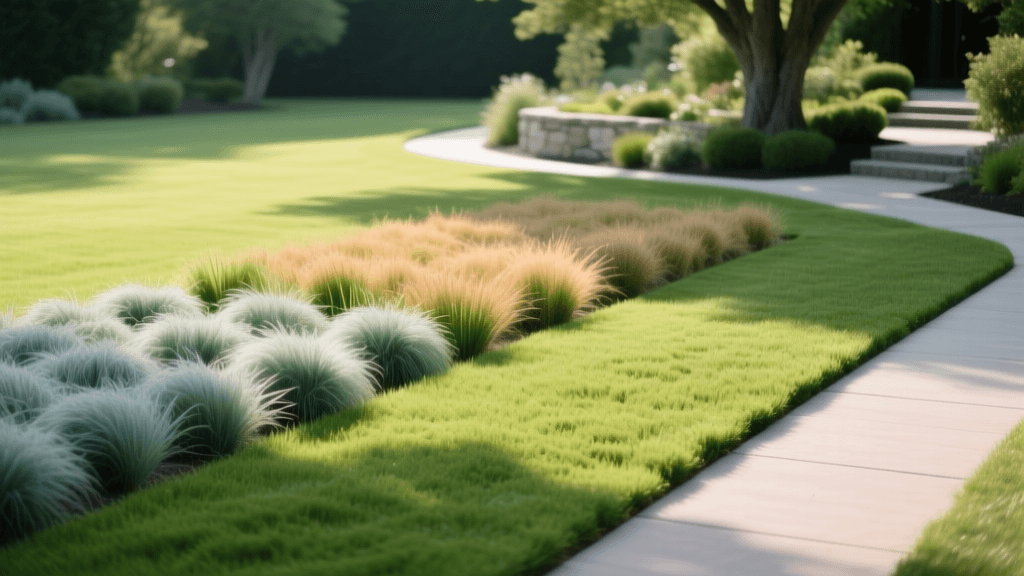
Lawn Zoning Design: Matching Grass Types To Microclimates
The Philosophy of Lawn Zoning: Beyond the One-Size-Fits-All Lawn
Most homeowners approach lawn care and landscaping with a one-size-fits-all mentality. They purchase a single blend of grass seed, apply the same fertilizer across the entire property, and wonder why certain patches turn brown while others thrive. The secret to a resilient, low-maintenance, and visually striking landscape lies in lawn zoning—a design and planning strategy that treats your yard as a collection of distinct microclimates and functional areas.
By mapping your property's unique sun exposure, soil composition, and traffic patterns, you can intentionally design lawn zones that work with your environment rather than against it. This approach not only reduces water consumption and chemical inputs but also saves you hundreds of dollars annually in failed seedings and sod replacements. In this comprehensive planning guide, we will walk you through the exact steps to zone your lawn, select the perfect turfgrass for each area, and integrate sustainable hardscapes where grass simply refuses to grow.
Step 1: Mapping Your Yard's Microclimates
Before purchasing a single bag of seed or drawing up a landscape blueprint, you must understand the environmental variables at play in your yard. A microclimate is a localized area where the climate differs from the surrounding region. In a standard suburban lot, you can easily have four to six distinct microclimates.
Conducting a Sun and Shade Audit
Grass requires specific amounts of photosynthetically active radiation (PAR) to survive. To map your sun zones, conduct a weekend sun audit during the peak of your growing season.
- Full Sun Zones: Areas receiving 8 or more hours of direct, unfiltered sunlight daily. These are your high-energy zones, ideal for aggressive, drought-tolerant grasses.
- Partial Shade Zones: Areas receiving 4 to 6 hours of direct sun, or dappled sunlight throughout the day. Often found near deciduous tree canopies or the eastern side of structures.
- Deep Shade Zones: Areas receiving fewer than 4 hours of direct sunlight, typically under dense evergreen canopies or between closely spaced two-story homes.
Pro Tip: Use a smartphone app like SunCalc or simply place wooden stakes in different areas of your yard and log their sun exposure every two hours from 8:00 AM to 6:00 PM.
Soil and Drainage Profiling
Microclimates also exist beneath the soil surface. Low-lying areas may experience poor drainage and prolonged moisture retention, while sloped zones may suffer from rapid runoff and drought stress. Order a comprehensive soil test from your local university cooperative extension for each distinct zone. You are looking for pH levels (ideally between 6.0 and 7.0 for most turfgrasses) and organic matter percentages. A zone with heavy clay will require different aeration planning and grass selection than a zone with sandy loam.
Step 2: Defining Traffic and Usage Zones
A successful landscape design balances aesthetics with functionality. Not every square inch of your yard needs to withstand the impact of a pickup truck or a soccer game. Categorize your lawn into three usage zones:
1. Primary Traffic Zones (The 'Workhorse' Lawn)
These are the pathways between the house and the garage, the main play areas for children and pets, and the spaces used for frequent entertaining. These zones experience severe soil compaction and physical turf damage. They require aggressive, rhizomatous, or stoloniferous grasses that can self-repair quickly.
2. Secondary Traffic Zones (The 'Transition' Lawn)
These areas are occasionally walked on but primarily serve to connect different landscape features. They need moderate wear tolerance but can prioritize visual density and color over sheer durability.
3. Ornamental Zones (The 'Showcase' Lawn)
These are purely visual areas, such as the parkway strip between the sidewalk and the street, or a delicate garden border. No one is walking here. You can plant fine-bladed, delicate, or slower-growing grasses that offer a pristine, manicured look but would be destroyed by heavy foot traffic.
Step 3: Selecting Turfgrass by Zone (Comparison Chart)
Once your microclimates and usage zones are mapped, it is time to match the correct turfgrass to the environment. Below is a planning matrix to help you select the right seed or sod for your specific zones.
| Grass Type | Season | Sun / Shade Tolerance | Traffic Tolerance | Best Zone Application |
|---|---|---|---|---|
| Tall Fescue | Cool | Full Sun to Moderate Shade | High | Primary play areas; transition zones in transition climates. |
| Kentucky Bluegrass | Cool | Full Sun (Poor shade tolerance) | High (Spreads via rhizomes) | High-traffic front yards; full sun sports areas. |
| Fine Fescue | Cool | Excellent Shade Tolerance | Very Low | Ornamental shade gardens; under tree canopies. |
| Bermudagrass | Warm | Full Sun Only | Extremely High | Driveways borders; high-wear southern play areas. |
| Zoysiagrass | Warm | Full Sun to Light Shade | High (Dense mat) | Showcase front lawns; erosion-prone slopes. |
| St. Augustine | Warm | Excellent Shade Tolerance | Low to Moderate | Shaded coastal lawns; under large oak/palm canopies. |
Seed Blends vs. Single Cultivars
When planning your seed purchases, always opt for custom blends tailored to your specific zones rather than generic hardware store mixes. For a shaded secondary zone, a blend of 60% Creeping Red Fescue, 30% Chewings Fescue, and 10% Hard Fescue will provide disease resistance and varying root depths. For high-traffic cool-season zones, a blend of 80% Tall Fescue and 20% Kentucky Bluegrass allows the Bluegrass to knit the sod together via rhizomes while the Fescue provides deep drought tolerance.
Step 4: Planning Turf Reduction and Groundcover Alternatives
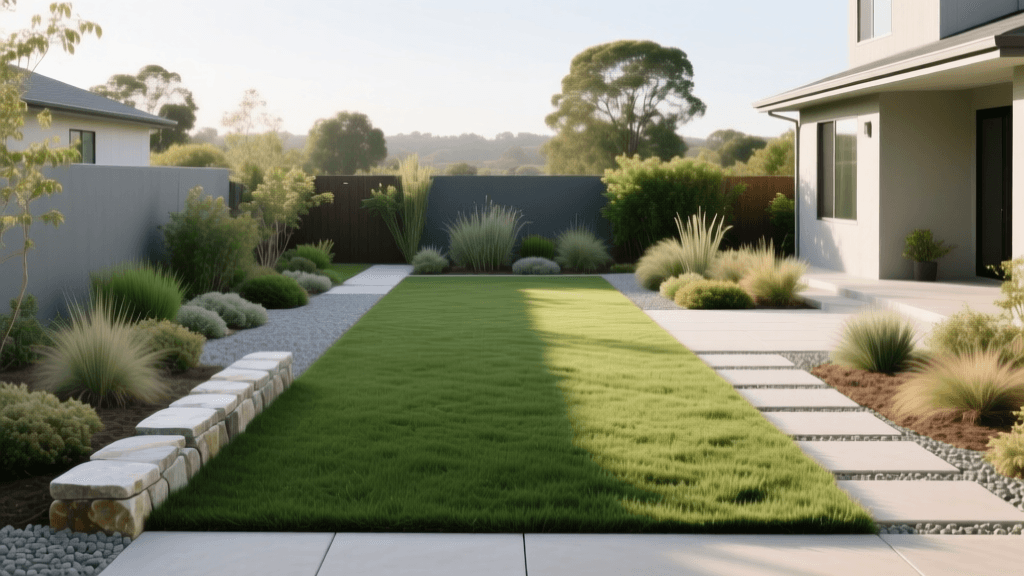
A crucial element of modern lawn design is knowing when not to plant grass. Turf reduction saves massive amounts of time, water, and money. If a zone fails the minimum requirements for turfgrass (e.g., less than 4 hours of sun, severe compaction, or extreme slopes), design an alternative landscape feature.
Shade Garden & Groundcover Zones
Instead of fighting a losing battle with moss and mud under a dense maple tree, plan a shade garden. Remove the turf and install shade-tolerant groundcovers. Creeping Thyme, Liriope (Monkey Grass), and Microclover are excellent alternatives. Microclover (specifically Trifolium repens var. 'Pirouette') requires less water than traditional grass, fixes its own nitrogen (eliminating the need for synthetic fertilizers), and stays green even in light shade.
Hardscape & Drainage Zones
For areas that suffer from severe water pooling or heavy foot traffic that turns to mud, plan for hardscaping. A dry creek bed using river rock (ranging from $50 to $150 per ton) can solve drainage issues while adding architectural interest. For high-traffic pathways, install stepping stones surrounded by decomposed granite or creeping groundcovers to prevent soil compaction in the surrounding root zones.
Step 5: Budgeting and Implementation Timeline
Executing a zoned lawn design requires phased planning and budgeting. Here is a realistic breakdown of costs and timing for a standard 5,000 square foot property undergoing a zoning redesign.
Cost Estimates by Zone Type
- Soil Testing & Mapping: $15 - $30 per zone via university extension labs.
- High-Traffic Zones (Sod vs. Seed): Sod provides instant erosion control and durability but costs $0.50 - $1.50 per sq. ft. Premium seed blends cost $0.10 - $0.25 per sq. ft. but require 3-4 weeks of establishment and strict traffic bans.
- Ornamental/Shade Zones (Seed): Fine Fescue or Microclover seed costs roughly $0.15 per sq. ft.
- Turf Reduction (Mulch/Groundcover): Installing landscape fabric, edging, and premium hardwood mulch costs approximately $1.00 - $2.50 per sq. ft. installed.
The Implementation Timeline
Timing is everything in lawn care planning. For cool-season grasses (Fescues, Bluegrass), plan your heavy soil amendment, aeration, and overseeding for late summer to early fall (August 15 - September 30). This allows roots to establish before winter and prepares the turf for the spring growing season. For warm-season grasses (Bermuda, Zoysia), plan your sod installation and sprigging for late spring to early summer (May - June) when soil temperatures consistently exceed 65°F.
Expert Insights on Microclimate Planning
Designing a lawn based on environmental realities is heavily supported by turfgrass scientists. According to the University of California Agriculture and Natural Resources (UC ANR), matching plant materials to specific microclimates—a practice known as hydrozoning—can reduce residential landscape water use by up to 30% to 50%. Furthermore, Penn State Extension emphasizes that attempting to grow shade-intolerant grasses like Kentucky Bluegrass in areas with less than 50% full sunlight is the leading cause of turf disease and soil erosion in residential landscapes.
"The most sustainable lawn is one that is designed with an understanding of the site's limitations. By reducing turfgrass in marginal areas and selecting appropriate species for the remaining zones, homeowners can drastically reduce inputs of water, pesticides, and fertilizers."
— Turfgrass Management Guidelines, Cooperative Extension System
Conclusion: Design First, Plant Second
Transitioning from a generic, high-maintenance yard to a thoughtfully zoned landscape is one of the most rewarding projects a homeowner can undertake. By mapping your sun and soil, defining your traffic needs, and selecting the precise grass species—or groundcover alternative—for each zone, you create a dynamic, resilient outdoor space. Stop fighting your environment and start designing with it. Your lawn, your wallet, and your weekend schedule will thank you.