Lawn Care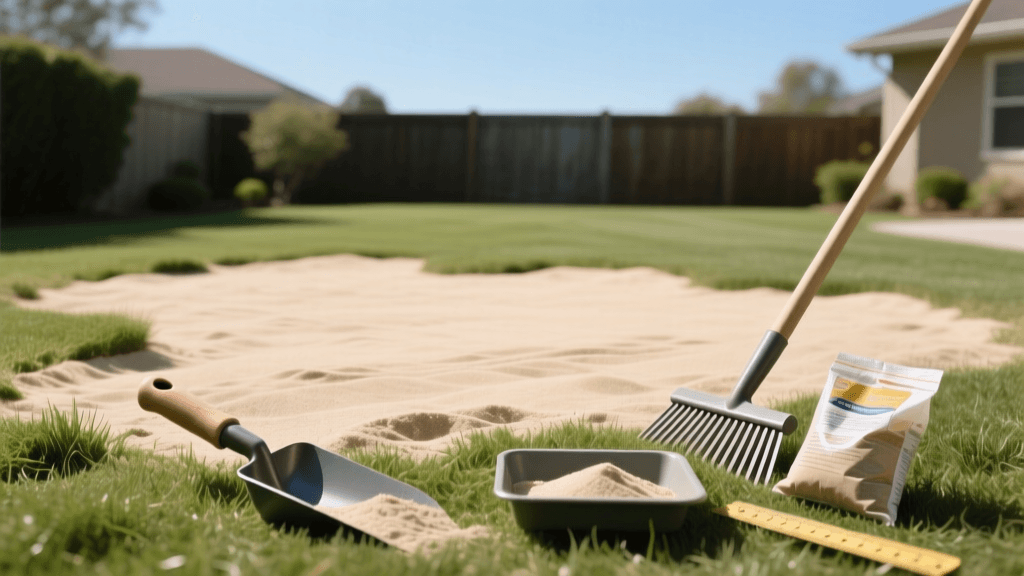
How to Level a Bumpy Lawn with Topdressing Sand Mix
Introduction to Lawn Leveling
A pristine, carpet-like lawn is the pride of any homeowner, but over time, even the most meticulously maintained turf can develop unsightly and hazardous bumps, dips, and undulations. Mowing a bumpy lawn results in scalped high spots and missed low spots, leaving your grass stressed, vulnerable to weeds, and uneven in color. Furthermore, uneven terrain poses a serious tripping hazard for children, pets, and guests. Fortunately, you do not need to tear up your entire yard and start from scratch with expensive regrading. By utilizing a practical landscaping technique known as topdressing, you can gradually and effectively level a bumpy lawn. This comprehensive, step-by-step guide will walk you through the exact tools, material ratios, costs, and techniques required to transform your uneven yard into a smooth, professional-grade turf.
Why Lawns Become Uneven
Before you begin filling in the low spots, it is helpful to understand why your lawn became bumpy in the first place. Addressing the root cause can prevent future issues and save you from repeating the process. Several factors contribute to an uneven lawn surface:
- Soil Settling: This is incredibly common in newer homes or areas where heavy construction equipment was used. Over the years, loosely packed soil naturally compacts, creating depressions.
- Freeze-Thaw Cycles: In colder climates, the winter freezing and spring thawing causes the soil to heave upward and settle unevenly.
- Biological Activity: Earthworm castings, decaying buried organic matter (like old tree roots), and burrowing animals can create small mounds and tunnels that collapse over time.
- Poor Drainage and Traffic: Heavy foot traffic, water pooling, and erosion can carve out hollows and create hard-packed, raised pathways.
Essential Tools and Materials
To execute a DIY lawn leveling project, you need the right equipment. While you can rent heavy machinery for severe grading, topdressing is a manual process best suited for correcting minor to moderate undulations (up to two inches deep). Here is your shopping list, complete with estimated costs:
- Lawn Leveling Rake: Unlike a standard garden rake, a leveling rake (often called a lawn leveler or drag mat) features a wide, flat, heavy metal head designed to push soil mixtures into low spots without pulling up the grass. (Cost: $70 to $130)
- Wheelbarrow and Shovel: Essential for transporting and mixing heavy sand and soil. (Cost: $100 to $150 if you do not already own them)
- Mason Sand or Play Sand: Sand provides excellent drainage and structural integrity, preventing the soil from compacting too heavily. Avoid all-purpose or concrete sand, which can contain high salt levels or sharp aggregates. (Cost: $30 to $45 per cubic yard)
- Screened Topsoil: Provides the bulk and mineral content needed for grass roots to establish. Ensure it is screened to remove rocks and debris. (Cost: $25 to $40 per cubic yard)
- Organic Compost: Adds vital nutrients, beneficial microbes, and improves moisture retention. (Cost: $40 to $60 per cubic yard)
- Push Broom or Stiff Brush: Useful for the final sweep to ensure grass blades are not buried under the soil mix. (Cost: $15 to $25)
Choosing the Right Topdressing Mix
The composition of your topdressing mix is critical. Using pure topsoil will lead to severe compaction and poor drainage, while pure compost will decompose rapidly and cause the lawn to sink again. The ideal mixture depends on your grass type and existing soil profile. Below is a comparison chart detailing the optimal topdressing ratios for different turfgrasses.
| Grass Type | Examples | Ideal Topdressing Ratio | Primary Benefit |
|---|---|---|---|
| Warm-Season Grasses | Bermuda, Zoysia, Centipede | 70% Sand, 30% Compost | Maximizes drainage and rhizome spreading |
| Cool-Season Grasses | Fescue, Kentucky Bluegrass, Ryegrass | 40% Sand, 40% Topsoil, 20% Compost | Balances moisture retention with aeration |
| Heavy Clay Soils | Any grass in clay-dominant regions | 60% Sand, 20% Topsoil, 20% Compost | Breaks up clay compaction over time |
Step-by-Step Lawn Leveling Process
Now that you have your materials, it is time to level the yard. Follow these actionable steps for the best results.
Step 1: Mow the Lawn Extremely Low
Before applying any soil, you must scalp the lawn or mow it at the lowest possible setting for your grass type. Removing the tall grass blades ensures that the topdressing mix makes direct contact with the soil surface and the base of the grass crowns. If you leave the grass tall, the soil will rest on the leaves, blocking sunlight and smothering the turf. Bag the clippings to remove excess debris from the surface.
Step 2: Calculate and Mix Your Materials
Calculating the correct volume of material prevents overspending and wasted effort. Use this formula to determine how many cubic yards of topdressing you need:
Formula: Length (ft) x Width (ft) x Desired Depth (inches) / 324 = Cubic Yards.
Example: If you have a 1,000 square foot lawn and want to apply a half-inch (0.5) layer of topdressing, the math is: 1000 x 0.5 / 324 = 1.54 cubic yards. Mix your sand, topsoil, and compost thoroughly in a wheelbarrow or on a tarp until the mixture is uniform and slightly moist, but not muddy.
Step 3: Distribute the Topdressing Mix
Using your shovel, dump small piles of the mixed topdressing evenly across the bumpy areas of your lawn. Do not dump the entire load in one spot, as moving heavy, wet soil across the grass will tear up the turf. Space the piles out so you only have to push the material a few feet in any direction.
Step 4: Level the Surface
This is where the lawn leveling rake earns its keep. Grab your leveling tool and begin dragging the mix across the lawn. Use a push-pull motion, allowing the heavy, flat metal head to glide over the high spots and push the soil mixture into the low spots and divots. The goal is to fill the depressions until they are flush with the surrounding high points. Work in small sections, and use a push broom to gently sweep any excess soil off the top of the grass blades, ensuring the tips of the grass remain exposed to sunlight.
Step 5: Water Heavily and Monitor
Once the area is leveled, water the lawn heavily. The water serves two purposes: it washes the fine soil particles down to the root zone, and it helps the topdressing mix settle into the low spots. After watering, wait a few days for the soil to dry slightly. You may notice that some deep dips have settled and require a second, lighter application. Topdressing is a gradual process; it is always better to apply two thin layers over a month than one massive layer that suffocates the grass.
Expert Insights and Best Practices
When dealing with turfgrass health and soil amendments, timing and depth are everything. Applying too much material at once is the most common mistake DIYers make. According to turfgrass specialists at the Texas A&M AgriLife Extension, topdressing should be applied carefully to avoid damaging the existing turf canopy.
"Topdressing should be applied at a depth of no more than 1/4 to 1/2 inch at a time. Applying deeper layers can smother the existing turfgrass, block sunlight, and impede gas exchange, leading to thinning and disease. For severe depressions deeper than one inch, it is recommended to use a pure sand fill or a sand-soil mix, allow it to settle, and then re-evaluate before applying a nutrient-rich topdressing layer."
— Texas A&M AgriLife Extension Service, Turfgrass Management Guidelines
Furthermore, the best time to topdress warm-season grasses is during their peak growing season in late spring to early summer. For cool-season grasses, early fall is the optimal window, as the grass is actively growing and can recover quickly from the stress of the leveling process.
Frequently Asked Questions
Can I use pure sand to level my Bermuda or Zoysia grass?
Yes, pure mason sand is frequently used by golf courses and sod farms to level warm-season grasses like Bermuda and Zoysia. These grasses spread via aggressive above-ground stolons and below-ground rhizomes that easily grow through deep layers of sand. However, for cool-season grasses like Fescue, pure sand lacks the moisture and nutrient retention required, so a blended mix is necessary.
Will topdressing kill my existing grass?
If applied correctly at a depth of 1/4 to 1/2 inch, topdressing will not kill your grass. The grass blades will quickly push through the thin layer of soil. However, if you bury the grass completely under several inches of heavy topsoil, you will block sunlight and oxygen, effectively smothering and killing the turf.
Should I aerate before topdressing?
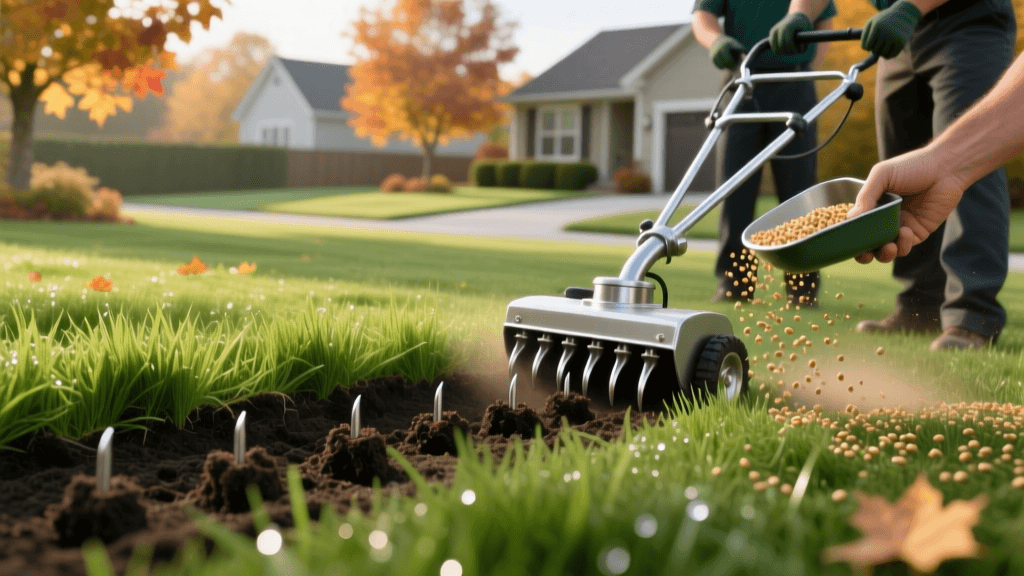
Absolutely. Core aeration is the perfect precursor to topdressing. By pulling small plugs of soil from the ground, you create thousands of tiny holes. When you apply your topdressing mix afterward, the sand and compost will fall directly into these aeration holes, alleviating soil compaction deep at the root zone and dramatically improving drainage and turf vigor.