Tree Care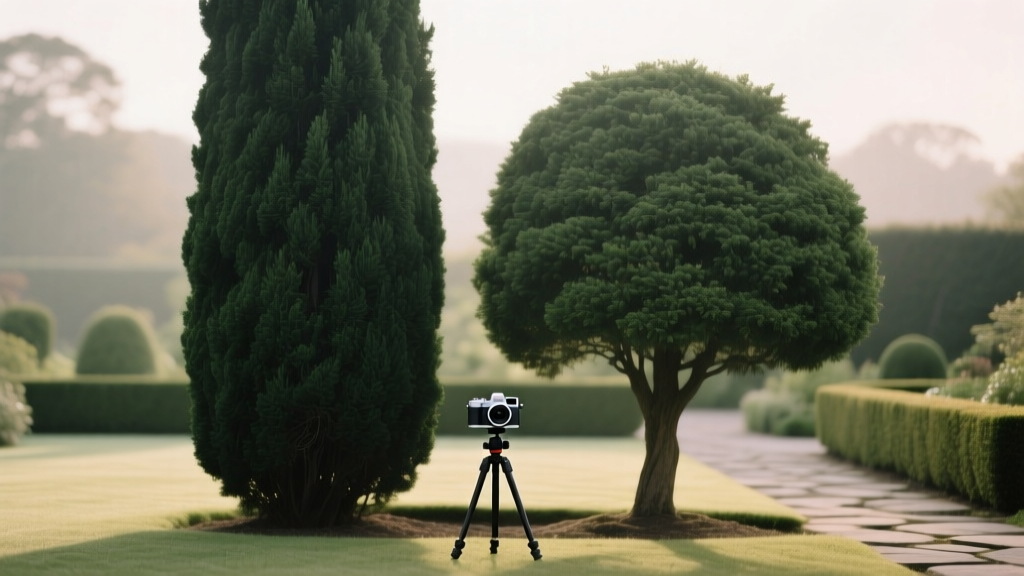
Photographing Privacy Screens: Leyland vs Green Giant 2026
Mike RodriguezPublished
The Art and Science of Evergreen Documentation in 2026
As we move through 2026, the intersection of horticulture and digital media has never been more vibrant. Homeowners and landscape designers are increasingly treating their gardens as living canvases, and nowhere is this more apparent than in the installation of evergreen privacy screens. Planting a privacy hedge is a significant financial and temporal investment. Whether you are installing a perimeter barrier for a new build or replacing an aging fence, documenting the journey from bare-root saplings to a towering green wall is incredibly rewarding. In this guide, we will explore the two most popular evergreen choices for privacy screens—the Leyland Cypress and the Green Giant Arborvitae—and provide a comprehensive framework for photographing and documenting their growth, health, and seasonal transformations.
The Contenders: Visual and Care Profiles
Before you pick up your camera, you must understand your subjects. Both the Leyland Cypress and the Green Giant Arborvitae are celebrated for their rapid growth and dense foliage, but they possess distinct visual textures, care requirements, and mature dimensions that will heavily influence your photographic composition and long-term garden maintenance.
| Feature | Leyland Cypress (× Cuprocyparis leylandii) | Green Giant Arborvitae (Thuja standishii × plicata) |
|---|---|---|
| Growth Rate | 3 to 4 feet per year | 3 to 5 feet per year |
| Mature Height | 60 to 70 feet | 40 to 60 feet |
| Foliage Texture | Fine, feathery, flat sprays, matte finish | Rich green, scale-like, slightly glossy |
| 2026 Avg. Nursery Cost (6ft) | $85 - $110 per tree | $120 - $150 per tree |
| Disease Resistance | Susceptible to Seiridium canker | Highly resistant to most foliar diseases |
| Deer Resistance | Moderate | High |
Setting Up Your Permanent Photographic Station
To truly capture the explosive growth rates of these evergreens, consistency is your greatest tool. In 2026, garden documentation relies heavily on fixed-point photography. Choose a vantage point that captures the entire length of the planting bed or a representative cross-section of three to five trees. Drive a subtle, low-profile landscape stake into the ground to mark the exact spot where your tripod will sit. Use a standard focal length, such as a 35mm or 50mm equivalent lens, to avoid the distortion of wide-angle lenses and the compression of telephoto lenses. Set your camera to shoot in RAW format to preserve the maximum amount of data in the shadows of the dense canopy, and lock your white balance to a custom daylight setting (around 5200K) so the rich greens remain accurate across different months and lighting conditions.
Capturing the Textures: Macro Photography and Lighting
The visual difference between these two trees becomes mesmerizing when you move in close. The Leyland Cypress features flat, feathery sprays that create a soft, almost fern-like texture. In contrast, the Green Giant boasts tightly packed, scale-like leaves that wrap around the stems, giving the branches a slightly glossy, three-dimensional appearance. To document these textures, invest in a dedicated macro lens (90mm to 105mm is ideal for working distance).
Lighting is critical when photographing evergreen foliage. Harsh midday sun creates deep, impenetrable shadows within the canopy and causes specular highlights on the glossy Green Giant leaves, blowing out the detail. The best time for macro foliage photography is on bright, overcast days. The cloud cover acts as a giant softbox, wrapping the foliage in even, diffused light that reveals the intricate stomata patterns and the subtle color gradients from the bright green new growth to the darker, mature interior needles.
Diagnostic Photography: Documenting Health and Pests
A well-maintained garden journal is not just a collection of pretty pictures; it is a vital diagnostic tool. Both trees, despite their hardiness, can face environmental stressors. The Leyland Cypress is notoriously prone to Seiridium canker, a fungal disease that causes sunken, dark lesions on the bark and subsequent browning of entire branches. According to the Clemson University Home & Garden Information Center, early detection through regular visual inspection is the only way to manage this aggressive pathogen. Use your camera's telephoto capabilities to scan the upper canopy monthly for any erratic browning or resin oozing from the bark.
While the Green Giant is largely disease-resistant, it can occasionally fall victim to bagworms, especially if planted near older, infested windbreaks. The Penn State Extension notes that bagworms construct protective cases out of the host plant's foliage, which can be easily mistaken for small pinecones hanging from the branches. Documenting the underside of the branches and the interior canopy with a macro lens in late spring will help you spot these pests before they defoliate your privacy screen.
Seasonal Care and Shooting Calendar
Tying your tree care schedule to your photography schedule ensures you never miss a critical developmental milestone. Here is a structured calendar for 2026:
- Early Spring (Planting & Baseline): Document the site preparation. Photograph the trenching, the soil amendments (such as biochar and compost), and the precise spacing of the root balls (8 to 10 feet apart is recommended for a dense screen). Capture the root flare before backfilling to ensure proper planting depth.
- Late Spring (Establishment & Macro): Focus on the first flush of new growth. The bright, almost lime-green tips of the Green Giant contrast beautifully with the older foliage. This is the time to establish your macro photography portfolio for the year.
- Summer (Watering & Stress Monitoring): Evergreens require deep, infrequent watering during their first two summers. Photograph your soil moisture meter readings alongside the base of the trees to track your irrigation efficacy. Look for signs of drought stress, such as a dulling of the foliage color or drooping branch tips.
- Early Fall (Pruning & Shaping): Leyland Cypress trees often require central leader pruning to prevent snow and ice damage in the winter. Document the pruning cuts, the tools used, and the immediate structural changes to the canopy. The NC State Extension recommends minimal pruning for Green Giants, making them a lower-maintenance subject for your autumn documentation.
- Winter (Structure & Time-Lapse): With the deciduous trees bare, your evergreen privacy screen takes center stage. Capture the way the low winter sun casts long, dramatic shadows through the feathery Leyland branches, and photograph the screen's effectiveness as a windbreak during winter storms.
Tracking Growth: The Time-Lapse Approach
In 2026, creating a time-lapse of your privacy screen's growth has never been more accessible. Rather than relying solely on your mirrorless camera, consider mounting a weatherproof, solar-powered trail camera or a dedicated outdoor time-lapse camera on a nearby fence post or structure. Set the intervalometer to capture one image every day at exactly solar noon. Over the course of three to five years, this will yield a mesmerizing video showing the trees knitting together into a solid wall of green, the seasonal shifts in foliage density, and the dramatic increase in height. Ensure the camera is mounted high enough to capture the vertical growth without being outgrown by the trees within the first two seasons.
Conclusion
Choosing between the Leyland Cypress and the Green Giant Arborvitae ultimately depends on your specific site conditions, budget, and long-term maintenance willingness. However, by approaching your privacy screen installation as a photographic documentation project, you elevate a simple landscaping task into a multi-year study of botanical growth and environmental interaction. Whether you are capturing the macro details of scale-like leaves or compiling a five-year time-lapse of your property's transformation, the camera becomes an essential tool in your tree care arsenal, ensuring your evergreen investment thrives and remains a stunning focal point of your garden for decades to come.