Tree Care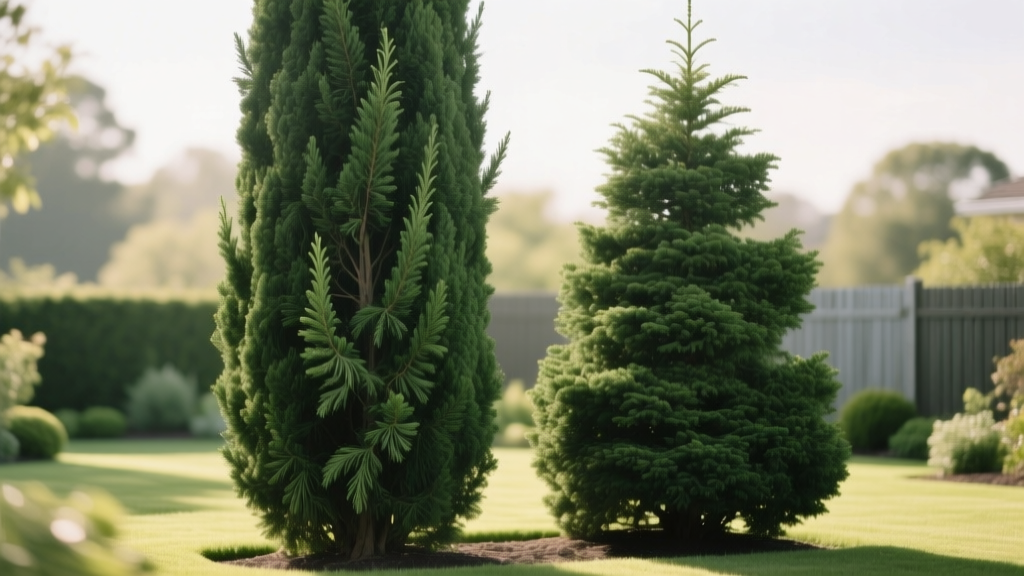
Leyland Cypress vs Green Giant 2026: Privacy & Web Worm Control
James MillerPublished
The Quest for the Perfect 2026 Evergreen Privacy Screen
As homeowners increasingly seek natural, living barriers to replace outdated wooden fences and masonry walls, the demand for fast-growing evergreen privacy screens has surged in the 2026 landscaping season. When planning a dense, year-round visual barrier, two heavyweight conifers consistently dominate the conversation: the Leyland Cypress and the Green Giant Arborvitae. Both offer rapid vertical growth, lush green foliage, and excellent screening capabilities. However, establishing a thriving privacy screen requires more than just digging holes and planting saplings; it demands a proactive approach to pest management.
One of the most devastating threats to evergreen privacy screens is the proliferation of web-building insects. While often colloquially grouped together by home gardeners as 'web worms,' these pests can rapidly defoliate a newly planted privacy screen, turning a beautiful green wall into a skeletal, brown eyesore in a matter of weeks. In this comprehensive 2026 guide, we will compare the Leyland Cypress and the Green Giant Arborvitae, specifically analyzing their susceptibility to web-building pests and outlining the most effective, modern control strategies to keep your privacy screen lush and impenetrable.
Meet the Contenders: Leyland Cypress vs. Green Giant Arborvitae
Leyland Cypress (x Cuprocyparis leylandii)
The Leyland Cypress has long been a staple in American landscaping due to its explosive growth rate, often adding 3 to 4 feet of height per year under optimal conditions. It features a graceful, pyramidal form with soft, feathery foliage that creates an immediate, dense screen. However, its rapid growth comes with a biological trade-off. The Leyland Cypress is notorious for its shallow root system and high susceptibility to environmental stressors, particularly drought, poor drainage, and high humidity. When stressed, the tree's natural resin production drops, leaving it highly vulnerable to a host of insect pests and fungal pathogens.
Green Giant Arborvitae (Thuja standishii x plicata 'Green Giant')
Developed as a robust alternative to the Leyland Cypress, the Green Giant Arborvitae has become the premier choice for modern privacy screens. According to the NC State Extension, this hybrid exhibits exceptional vigor, growing up to 3 feet per year while boasting a much stronger resistance to common conifer diseases and pests. Its foliage is slightly darker and coarser than the Leyland's, and it maintains its rich green color even through harsh winter freezes. More importantly for pest management, the Green Giant's robust vascular system and natural chemical defenses make it a far less inviting host for destructive insects.
The 'Web Worm' Confusion: Bagworms vs. Fall Webworms
When homeowners report 'web worms' attacking their evergreen privacy screens, they are usually dealing with one of two distinct pests. Proper identification is critical, as the treatment windows and control methods differ significantly in 2026.
Bagworms (Thyridopteryx ephemeraeformis)
Bagworms are the primary and most destructive 'web' pest for both arborvitae and cypress trees. Unlike the silken tents of other caterpillars, bagworms construct protective, spindle-shaped cases made of silk and the very foliage they are consuming. These bags camouflage perfectly against the evergreen needles, often going unnoticed until the tree is severely defoliated. The Penn State Extension notes that bagworms are particularly lethal to arborvitae and cypress because the trees often cannot regenerate foliage from old, bare wood once it has been stripped.
Fall Webworms (Hyphantria cunea)
Fall webworms create large, unsightly, silken webs that typically envelop the terminal ends of branches in late summer and early autumn. While they are far more common on deciduous hardwoods like pecan and mulberry, they can occasionally colonize stressed conifers. The University of Maryland Extension points out that while fall webworms look alarming, their late-season feeding usually causes less long-term structural damage to evergreens than bagworms, though they severely impact the aesthetic appeal of a privacy screen right before winter.
Susceptibility Showdown: Which Tree Fares Better?
When evaluating these two trees strictly through the lens of pest resistance and web worm management, a clear winner emerges for the 2026 planting season.
| Feature | Leyland Cypress | Green Giant Arborvitae |
|---|---|---|
| Annual Growth Rate | 3 - 4 Feet | 2 - 3 Feet |
| Mature Height | 60 - 70 Feet | 40 - 60 Feet |
| Drought Tolerance | Low (High Stress) | Moderate to High |
| Bagworm Susceptibility | High (Especially when stressed) | Moderate (Better natural resistance) |
| Fall Webworm Risk | Moderate | Low |
| Overall Pest Vigor | Poor | Excellent |
The Leyland Cypress is highly prone to bagworm infestations, primarily because environmental stress weakens its defenses. Once bagworms establish on a Leyland Cypress, the tree often lacks the vigor to push through the defoliation, leading to cascading branch death. The Green Giant Arborvitae, while not entirely immune to bagworms, possesses a much stronger natural resilience. Its vigorous growth allows it to tolerate minor pest pressure and recover more quickly from localized defoliation, making it the superior choice for low-maintenance, pest-resistant privacy screens.
Comprehensive 2026 Web Worm and Bagworm Control Strategies
Regardless of which tree you choose, proactive pest management is non-negotiable for maintaining a dense privacy screen. Here are the most effective, environmentally responsible control protocols for 2026.
1. Mechanical and Cultural Controls
For small or newly planted privacy screens, manual removal remains highly effective. During the winter and early spring, inspect your trees for the hardened, brown bags of overwintering bagworms. Each bag can contain up to 1,000 eggs. Hand-picking these bags and dropping them into a bucket of soapy water drastically reduces the spring hatch rate. For fall webworms, use a long pole pruner to simply clip out the silken tents and destroy them. Never attempt to burn webs out of trees with a torch, as this causes severe collateral damage to the evergreen foliage and creates a dangerous fire hazard.
2. Biological Warfare: Bt and Spinosad
Modern integrated pest management (IPM) relies heavily on targeted biological controls that spare beneficial pollinators. The gold standard for early-stage caterpillar control is Bacillus thuringiensis var. kurstaki (Bt). Products like Monterey B.t. are highly effective when sprayed in late spring or early summer, immediately after bagworm eggs hatch and while the caterpillars are still small (less than half an inch). The caterpillars ingest the Bt spores while feeding, which disrupts their digestive system and kills them within days.
For slightly larger caterpillars or fall webworms, Spinosad is the premier organic option in 2026. Derived from soil-dwelling bacteria, Spinosad (found in products like Bonide Captain Jack's Deadbug Brew) offers excellent residual control. It must be applied in the evening to protect foraging bees, as it is toxic to pollinators when wet but safe once fully dried on the foliage.
3. Systemic and Contact Chemical Options
If a privacy screen is heavily infested and biological controls are insufficient, targeted synthetic insecticides may be required. Products containing Bifenthrin or Cyfluthrin provide rapid knockdown of active bagworm and webworm populations. However, these should be used strictly as a last resort due to their broad-spectrum nature, which can harm beneficial predatory insects that naturally keep pest populations in check. Always ensure thorough coverage, spraying the interior of the tree canopy where bagworms prefer to hide and feed.
Strategic Planting for Pest Prevention
The most effective web worm control strategy begins before the trees even go into the ground. Pest outbreaks are heavily correlated with poor air circulation and overcrowded microclimates. In 2026, landscaping best practices dictate wider spacing for privacy screens to promote rapid foliage drying and reduce pest habitat.
- Leyland Cypress Spacing: Plant a minimum of 10 to 12 feet apart. Closer spacing creates a humid, stagnant environment that invites not only pests but devastating fungal cankers.
- Green Giant Arborvitae Spacing: Plant 6 to 8 feet apart for a dense screen. Their stronger branch structure and disease resistance allow for slightly tighter spacing without creating the severe microclimate issues seen in Leyland Cypress.
Additionally, avoid planting evergreen privacy screens in areas with poor drainage or heavy clay soils. Implementing a 3-inch layer of organic hardwood mulch around the base of the trees (keeping it away from the trunk flare) will retain soil moisture, prevent drought stress, and maintain the tree's natural resin production, which is its first line of chemical defense against invading insects.
Final Verdict for 2026 Landscaping
When comparing the Leyland Cypress and the Green Giant Arborvitae for a modern privacy screen, the Green Giant is the undisputed champion for homeowners concerned with pest management and long-term vitality. While the Leyland Cypress offers marginally faster initial growth, its extreme susceptibility to environmental stress and subsequent pest infestations makes it a high-liability investment. The Green Giant Arborvitae provides exceptional screening, superior natural resistance to bagworms and web worms, and requires significantly less chemical intervention. By combining the Green Giant's natural vigor with proactive biological controls like Bt and Spinosad, you can enjoy a flawless, impenetrable evergreen privacy screen for decades to come.
