Lawn Care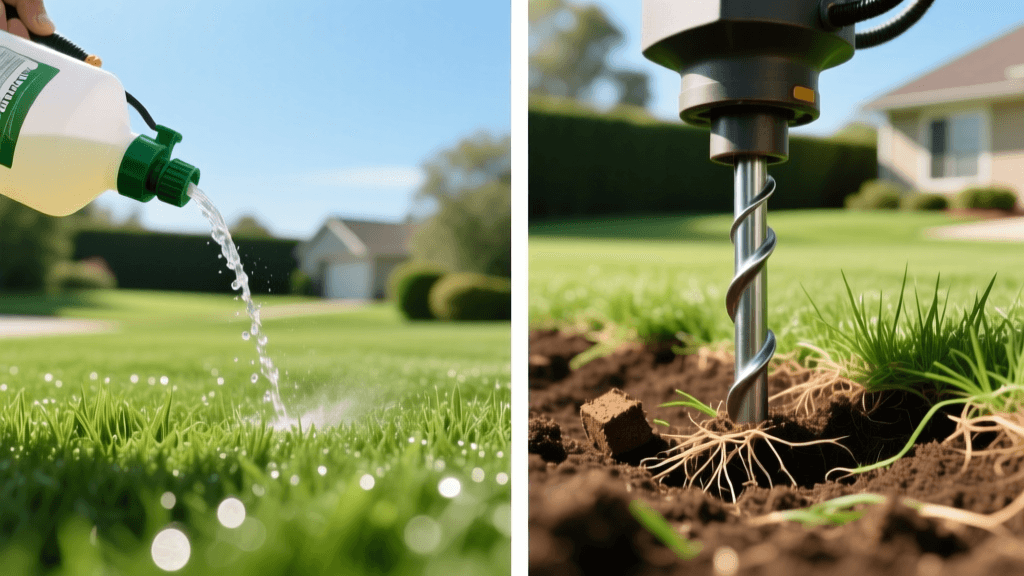
Liquid vs Core Aeration: Best Lawn Aerator Products Compared
The Hidden Enemy: Understanding Soil Compaction
Every pristine lawn shares a common foundation: healthy, well-aerated soil. Over time, foot traffic, heavy mowing equipment, and natural settling cause soil particles to compress. This compaction chokes grassroots, restricts water infiltration, and creates a hostile environment for beneficial soil microbes. When pore space is reduced, fertilizers run off, and your turf becomes highly susceptible to drought stress and weed invasion. To combat this, homeowners generally turn to two distinct camps of lawn care products: traditional mechanical core aeration and modern liquid aeration surfactants. But which approach actually delivers the best results for your specific yard? In this comprehensive product review and comparison guide, we break down the science, costs, and top-rated products in the aeration market.
Core Aeration: The Mechanical Standard
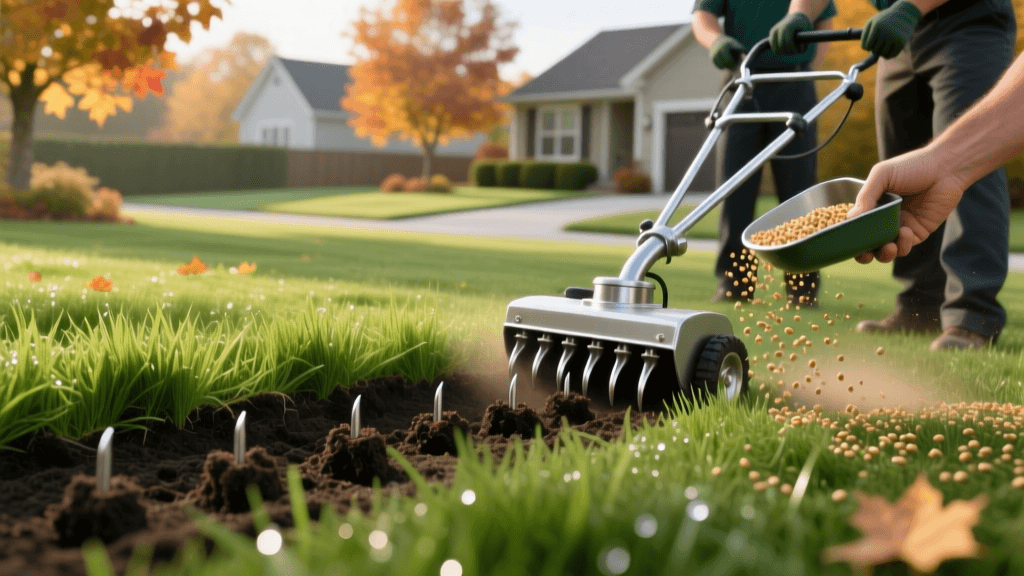
Core aeration is the process of physically extracting small plugs of soil and thatch from the lawn. These plugs, typically 2 to 3 inches deep and 0.5 inches wide, are left on the surface to break down naturally. This process immediately relieves physical compaction, creates channels for oxygen, water, and nutrients to reach the root zone, and stimulates lateral root growth. Core aeration is universally recommended by turfgrass scientists for heavy clay soils and severely compacted lawns.
Product Review: Yard Butler Lawn Coring Aerator (Manual)
For small urban yards or targeted high-traffic areas (like the path from the back door to the grill), the Yard Butler Manual Coring Aerator is a budget-friendly staple. Priced around $35, this foot-operated tool features two hollow tines that extract 3.5-inch cores.
- Pros: Highly affordable, requires no gas or electricity, provides genuine physical compaction relief, and offers a great workout.
- Cons: Extremely labor-intensive. Aerating a 5,000-square-foot lawn manually will take hours and leave you exhausted. The tines can easily clog with wet clay.
- Best For: Lawns under 1,500 square feet, or spot-treating compacted areas near gates and playsets.
Product Review: Billy Goat Walk-Behind Core Aerator (Rental)
For medium to large lawns, renting a commercial-grade walk-behind aerator (like the Billy Goat or Classen models) from a local hardware store is the gold standard. Rental costs typically range from $80 to $120 for a half-day.
- Pros: Extracts deep, wide plugs rapidly. The heavy weight of the machine drives the tines deep into stubborn clay. Self-propelled models make maneuvering easier.
- Cons: Heavy and difficult to transport in a standard sedan. Requires significant physical strength to turn and maneuver. Can damage shallow sprinkler heads or invisible dog fences if not properly marked.
- Best For: Lawns over 3,000 square feet with severe compaction and heavy clay soil profiles.
Liquid Aeration: The Surfactant Revolution
Liquid aeration has surged in popularity due to its ease of use. Instead of physically removing soil, liquid aerators utilize chemical surfactants—most commonly Ammonium Lauryl Sulfate (ALS)—combined with humic acids and kelp extracts. The surfactant works on a molecular level to break the sodium bonds that hold clay particles tightly together, a process known as flocculation. This creates microscopic pore spaces, allowing water and air to penetrate deeper into the soil profile without the need for heavy machinery.
Product Review: Simple Lawn Solutions Liquid Soil Loosener
Simple Lawn Solutions offers one of the most popular liquid aerators on the market, priced at approximately $25 for a 32-ounce bottle that covers up to 3,200 square feet. It attaches directly to your garden hose for effortless application.
- Pros: Incredibly easy to apply, no heavy lifting, safe for all grass types, and can be applied alongside liquid fertilizers.
- Cons: Does not physically remove thatch. Results are cumulative; it may take 3 to 4 applications spaced a month apart to notice a significant change in soil drainage.
- Best For: Sandy or loam soils with mild compaction, or as a maintenance supplement between mechanical core aerations.
Product Review: Covington Naturals Liquid Aerator
Covington Naturals takes a holistic approach, combining ALS surfactants with bio-stimulants, humic acid, and seaweed extract. Priced around $30 for a 32-ounce bottle covering 5,000 square feet, it focuses on both soil structure and microbial health.
- Pros: The added humic and fulvic acids help buffer soil pH and increase nutrient uptake. Excellent for reviving stressed, drought-prone lawns.
- Cons: Slightly higher cost per square foot. The strong organic odor can linger for 24 hours after application.
- Best For: Lawns suffering from nutrient lockout and poor microbial activity, particularly in transition zone climates.
Head-to-Head Aeration Comparison Chart
| Feature | Manual Core Aerator | Walk-Behind Core Aerator | Liquid Aeration Products |
|---|---|---|---|
| Average Cost | $30 - $45 (One-time) | $80 - $120 (Daily Rental) | $25 - $35 per bottle |
| Compaction Relief | Moderate (Spot Treatment) | Excellent (Deep Physical) | Mild (Chemical Softening) |
| Thatch Removal | Yes (Microbial breakdown) | Yes (Microbial breakdown) | No |
| Labor Required | Extreme | High | Minimal |
| Time to See Results | Immediate | Immediate | 30 to 60 Days |
| Best Application Season | Fall (Cool) / Spring (Warm) | Fall (Cool) / Spring (Warm) | Anytime during growing season |
What Turfgrass Science Says
The debate between physical and chemical aeration is a frequent topic in agronomy. While marketing claims for liquid aerators often promise to 'replace' core aeration, university research draws a distinct line between the two. According to the Penn State Extension Department of Plant Science, physical soil disruption remains unmatched for severe compaction.
According to turfgrass researchers at Penn State Extension: 'Core aeration physically removes plugs of soil, which directly alleviates compaction and allows for immediate gas exchange. While liquid wetting agents and surfactants can improve water penetration in hydrophobic soils, they do not replace the mechanical fracturing required to relieve severe physical compaction in heavy clay soils.'
Therefore, liquid aerators should be viewed as soil conditioners rather than direct replacements for mechanical aeration. They are exceptional tools for maintaining soil health and improving water retention, but they cannot physically lift a sunken, heavily trafficked lawn.
How to Choose the Right Aerator for Your Yard
Selecting the right product depends heavily on your soil type, lawn size, and budget. Use this actionable checklist to make your decision:
- Perform a Screwdriver Test: Push a 6-inch screwdriver into your lawn. If it slides in easily, your soil is healthy; a liquid aerator maintenance program will suffice. If you struggle to push it past 2 inches, you have severe compaction and need mechanical core aeration.
- Identify Your Soil Type: Heavy clay soils (common in the South and Midwest) require the physical fracturing of core aeration at least once a year. Sandy soils (common in coastal regions) rarely compact but often suffer from hydrophobicity; liquid surfactants are perfect here.
- Consider Your Grass Type: Cool-season grasses (Kentucky Bluegrass, Tall Fescue) should be core aerated in early Fall. Warm-season grasses (Bermuda, Zoysia) should be core aerated in late Spring or early Summer. Liquid aerators can be applied safely during any active growing phase.
Preparation and Post-Aeration Care
Regardless of the product you choose, preparation is key to maximizing your investment.
Preparing for Core Aeration
Water your lawn deeply (about 1 inch) 24 to 48 hours before renting a machine. The soil must be moist, not muddy, for the hollow tines to extract clean plugs. If the ground is too dry, the tines will simply bounce off the surface. Always mark your sprinkler heads and shallow utility lines with flags to prevent costly damage.
Preparing for Liquid Aeration
Mow your lawn slightly shorter than usual before applying liquid surfactants to ensure the product reaches the soil surface rather than coating the grass blades. Calibrate your hose-end sprayer to ensure even coverage, and apply the product in the early morning to prevent rapid evaporation.
The Crucial Next Step: Overseeding and Fertilizing
Aeration is only half the battle. The holes left by core aeration are the perfect seedbeds for overseeding. Within 24 hours of core aeration, spread a high-quality turf seed and apply a starter fertilizer. The seeds will fall into the aeration holes, protecting them from birds and ensuring direct soil contact for rapid germination. For liquid aeration, follow up with a humic acid or liquid iron supplement to take advantage of the newly opened microscopic nutrient pathways.
Final Verdict
For homeowners battling heavy clay and severe compaction, renting a Walk-Behind Core Aerator remains the undisputed champion. The physical relief it provides is irreplaceable. However, for routine maintenance, sandy soils, or homeowners physically unable to operate heavy machinery, liquid products like Simple Lawn Solutions Liquid Soil Loosener offer a scientifically backed, hassle-free alternative to improve water infiltration and soil health over time. For the ultimate lawn care regimen, utilize mechanical core aeration annually, and supplement with liquid surfactants during the peak heat of summer to maintain optimal soil moisture.