Tree Care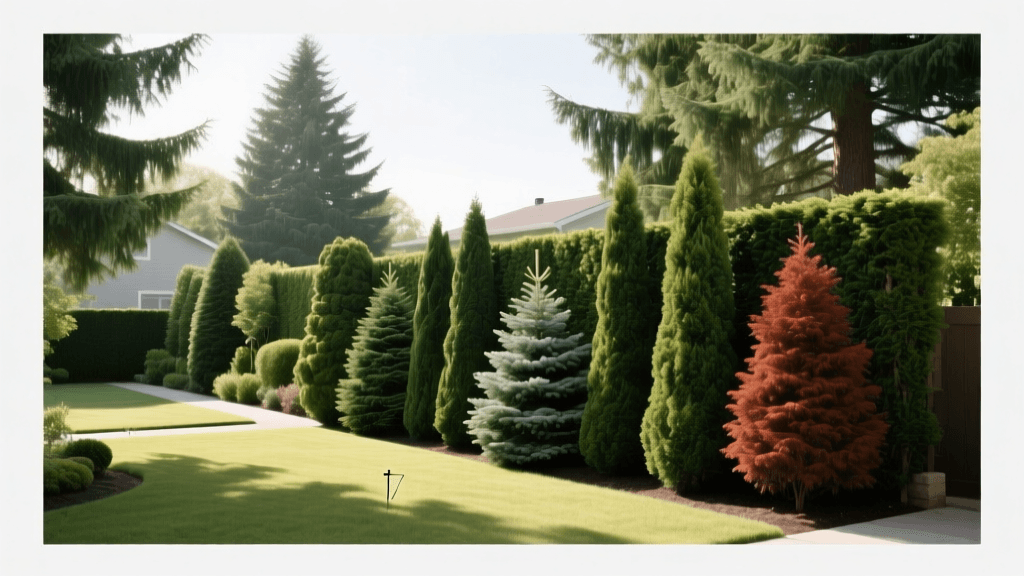
Designing a Living Privacy Screen With Evergreen Trees
When it comes to landscape design, few elements offer the multifaceted benefits of a living privacy screen. Unlike traditional wooden or vinyl fences, which can rot, warp, or blow over in severe storms, a well-planned evergreen tree screen provides year-round seclusion, natural sound dampening, and vital wildlife habitat. Furthermore, strategic tree placement acts as a powerful windbreak, lowering winter heating costs by blocking harsh northern winds. Planning a living privacy screen requires careful consideration of species selection, spatial layout, and long-term maintenance. This guide will walk you through the essential design ideas and actionable steps to cultivate a thriving, dense evergreen barrier in your yard.
Assessing Your Site and Microclimate
Before purchasing any trees, evaluate your property lines and the specific microclimate of your planting zone. Evergreens require ample sunlight to maintain their dense, lower-branch foliage. If planted in deep shade, species like the Thuja Green Giant will thin out, defeating the purpose of a privacy screen. Test your soil drainage by digging a 12-inch test hole and filling it with water; if it takes longer than 24 hours to drain, you will need to select moisture-tolerant species or install a French drain system. Additionally, always call your local utility locating service (such as 811 in the United States) at least three days before digging to avoid severing underground gas, water, or fiber-optic lines. Keep mature tree heights in mind regarding overhead power lines, opting for dwarf or medium-height varieties if your planting zone is directly beneath utility wires.
Selecting the Right Evergreen Species
Choosing the correct tree species is the most critical decision in your design plan. The ideal privacy tree should have a relatively narrow mature spread to maximize yard space, a fast to moderate growth rate for quick establishment, and high resistance to local pests and diseases. Avoid planting a monoculture of a single species; if a specific blight or pest targets that tree, your entire screen could be decimated. Instead, consider planting in alternating clusters of two or three compatible species.
| Species | Mature Height | Mature Width | Growth Rate | USDA Zones |
|---|---|---|---|---|
| Thuja 'Green Giant' | 40-60 ft | 12-18 ft | Fast (3-5 ft/yr) | 5-8 |
| Leyland Cypress | 60-70 ft | 15-25 ft | Fast (3-4 ft/yr) | 6-10 |
| Eastern Redcedar | 40-50 ft | 8-20 ft | Moderate (1-2 ft/yr) | 2-9 |
| 'Emerald Green' Arborvitae | 12-15 ft | 3-4 ft | Moderate (6-12 in/yr) | 2-7 |
Spacing and Layout Strategies
A common mistake in privacy screen design is planting trees too closely together. While you may desire an instant wall of green, overcrowding leads to intense competition for water and nutrients, stunted root growth, and increased susceptibility to fungal diseases due to poor air circulation.
- Single Row Layout: For a standard boundary line, space trees at roughly 75% of their mature width. For example, if a Thuja Green Giant has a mature width of 15 feet, plant them 11 feet apart.
- Staggered Double Row: For maximum density and noise reduction, plant two parallel rows. Offset the second row so the trees sit in the gaps of the first row. Space the rows 6 to 8 feet apart, and maintain the 75% mature width rule within each row.
- Root Barrier Installation: If planting near a neighbor's property line or a paved driveway, consider installing a heavy-duty polyethylene root barrier (at least 24 inches deep) to prevent aggressive roots from causing structural damage.
Soil Preparation and Planting Techniques
Proper planting sets the foundation for a healthy, long-lasting screen. The best times to plant evergreens are early spring (after the ground thaws) or early fall (at least six weeks before the first hard frost).
- Dig the Hole: Excavate a hole that is two to three times wider than the root ball, but exactly the same depth. Planting too deep is a leading cause of tree mortality, as it suffocates the root flare.
- Amend the Soil: Avoid heavily amending the backfill with compost or peat moss, which can create a bathtub effect where water pools around the roots. Instead, use the native soil you dug out, breaking up large clods.
- Position the Tree: Place the tree in the center of the hole. If it is a balled-and-burlapped (B&B) tree, cut away any wire baskets and pull back the burlap before backfilling.
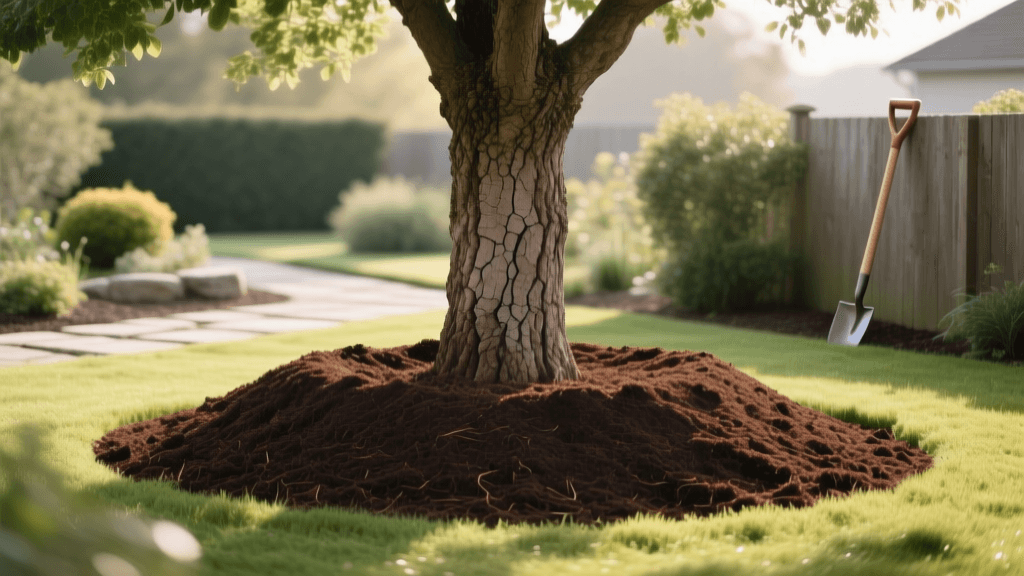
- Mulch Correctly: Apply a 2-to-3-inch layer of organic mulch, such as shredded hardwood or pine bark, over the root zone. Keep the mulch at least 3 inches away from the trunk to prevent volcano mulching, which invites rot and rodent damage.
Budgeting and Cost Estimates
Planning a living privacy screen requires a realistic budget. Costs vary widely based on the size of the trees at the time of purchase and whether you hire professional landscapers.
- Tree Costs: A 5-to-6-foot B&B Thuja Green Giant typically costs between $60 and $120 per tree. Larger, 10-foot specimens can exceed $250 each.
- Soil and Mulch: Expect to spend about $40 to $60 per cubic yard for bulk shredded hardwood mulch, plus delivery fees.
- Irrigation: Installing a drip irrigation system with a smart timer (like the Rachio or Orbit B-hyve) will cost approximately $150 to $300 for a 50-foot run, but it is crucial for establishing new evergreens.
- Labor: Professional planting services generally charge 50% to 100% of the total material cost. For a 10-tree screen, labor might add $500 to $1,200 to your final invoice.
Integrating Underplantings and Hardscape Features
A bare mulch ring beneath a towering privacy screen can look stark and unfinished. To elevate your landscape design, integrate shade-tolerant underplantings and hardscape elements along the base of your evergreen screen. Because evergreens create a dry, acidic microclimate with shallow feeder roots, select understory plants that thrive in these conditions. Excellent choices include Hostas, Ferns (such as the Autumn Fern), Hellebores, and Coral Bells (Heuchera). Plant these perennials at least 18 to 24 inches away from the main trunk to avoid damaging the primary root ball.
Additionally, consider incorporating a gravel walking path or natural stone stepping stones parallel to the tree line. This not only provides a physical boundary that prevents mowers and string trimmers from causing lawnmower blight (bark damage that invites pests and disease), but it also creates a secluded garden corridor. Edge the pathway with steel or heavy-duty plastic landscape edging to prevent grass encroachment, and use a permeable base of crushed granite or pea gravel to ensure water still reaches the extensive root systems of your privacy trees.
Long-Term Maintenance and Pruning
Evergreens are relatively low-maintenance once established, but the first two years require vigilant care. Water deeply once a week during the growing season, providing at least 1 inch of water per week. Use a soaker hose to deliver moisture directly to the root zone, minimizing evaporation and keeping the foliage dry to prevent fungal blights like Seiridium canker.
According to the University of Minnesota Extension, 'A well-designed evergreen windbreak and privacy screen can reduce winter wind speeds by up to 80%, significantly lowering home heating costs and protecting delicate understory plants from desiccating winds.'
Pruning should be minimal and focused on removing dead, damaged, or crossing branches. To encourage a denser, bushier growth habit, lightly shear the terminal growth (the very tips of the branches) in early summer. Never cut back into the dead zone—the older, brown, needle-less wood near the trunk—as most evergreens, particularly Arborvitae and Cypress, will not regenerate new foliage from old wood. Fertilize in early spring with a slow-release, balanced fertilizer (such as a 10-10-10 or 14-14-14 formula) applied at a rate of 1 pound per 1,000 square feet of root zone area.
By thoughtfully selecting species, calculating precise spacing, and adhering to proper planting and maintenance protocols, your living privacy screen will become a stunning, functional cornerstone of your landscape design for decades to come.