Tree Care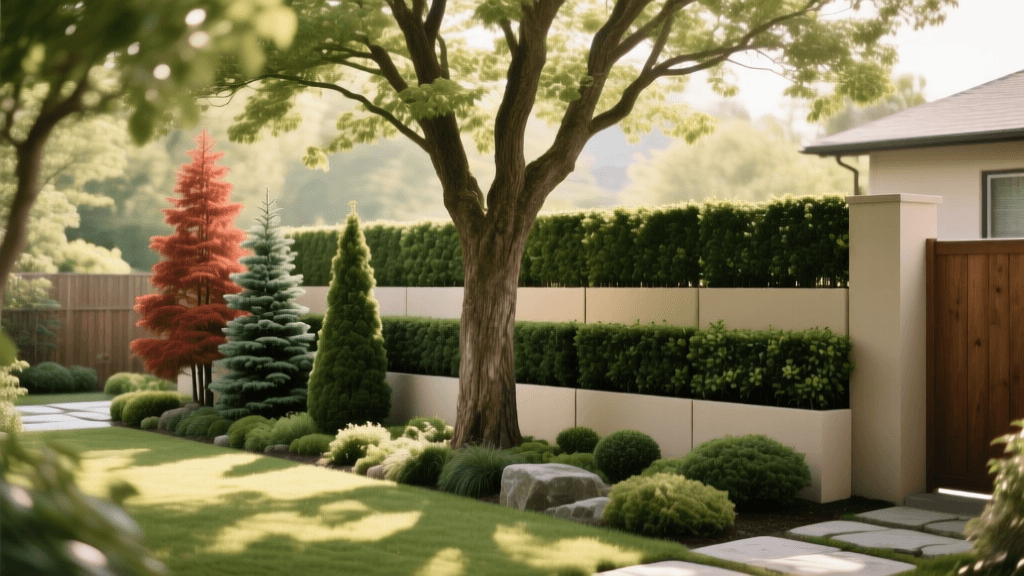
Designing a Living Privacy Screen: Tree Spacing & Layout
Why Choose a Living Privacy Screen?
When homeowners want more seclusion from neighbors or busy streets, they often reach for a wooden or vinyl fence. But fences cost $30–$60 per linear foot, need regular upkeep, and don’t do much for noise or wind. A living privacy screen—made of carefully chosen evergreen trees—offers a greener, longer-lasting option. Trees give year-round coverage, muffle sound, slow down wind, cool summer air through evapotranspiration, and can boost property value. Getting it right means paying attention to which species you pick, how far apart you plant them, the soil conditions, and what care they’ll need over time. This guide walks through the practical details: spacing, layout, planting steps, and maintenance tips that actually work.
Site Assessment and Soil Preparation
Before buying trees, take a close look at your planting area. Most evergreens need six to eight hours of direct sun each day to stay full from bottom to top. If nearby buildings or large trees cast heavy shade, consider shade-tolerant options like Canadian Hemlock or Nellie Stevens Holly—but expect slower growth.
Drainage matters too. Evergreens struggle in soggy soil and can develop root rot. To test yours, dig a hole 12 inches deep and 12 inches wide, fill it with water, let it drain fully, then refill it. If the water drops less than 1 inch per hour, you’re likely dealing with heavy clay. You’ll either need to mix in organic compost or build raised berms. For backfill, use a blend of 20% compost and 80% native soil—this helps roots spread without trapping water in loose soil.
Navigating Setbacks and Property Lines
A common mistake is planting right on the property line. As trees grow, trunks widen and branches extend—sometimes into a neighbor’s yard or over sidewalks. A good rule: plant at least half the tree’s mature width plus 2 feet inside your boundary. So if a tree grows to 15 feet wide, set it back at least 9.5 feet. Check with your local zoning office and HOA first—some treat living screens like fences when it comes to height limits. And call 811 (or your local utility locator) at least two weeks before digging to avoid hitting underground lines.
Selecting the Right Tree Species
The species you choose affects how tall your screen gets, how fast it fills in, and how much care it needs. Here’s how four common evergreens stack up for residential privacy and windbreaks:
| Species | Mature Height | Mature Width | Growth Rate | USDA Zones | Est. Cost (6ft Tree) |
|---|---|---|---|---|---|
| Thuja 'Green Giant' | 40-60 ft | 12-18 ft | 3-5 ft/yr | 5-8 | $80 - $120 |
| Leyland Cypress | 60-70 ft | 15-20 ft | 3-4 ft/yr | 6-9 | $90 - $130 |
| Eastern Redcedar | 40-50 ft | 8-15 ft | 1-2 ft/yr | 2-9 | $60 - $90 |
| Nellie Stevens Holly | 20-30 ft | 10-15 ft | 1-2 ft/yr | 6-9 | $100 - $150 |
Thuja 'Green Giant' is popular for fast results—it’s tough, disease-resistant, and grows quickly. But on smaller lots, a 60-foot tree might feel overwhelming. That’s where Nellie Stevens Holly stands out: a dense broadleaf evergreen that tops out around 30 feet and fits better near houses or driveways.
Spacing Strategies: Single Row vs. Staggered Layouts
How far apart you space the trees changes how fast the screen closes in—and how well the trees thrive. Plant them too close and they compete for water and light, leading to weak growth and bare spots inside the canopy.
Single Row Layout
For narrow side yards or tight spaces, a single row makes sense. With Thuja 'Green Giants', space them 6 to 8 feet apart (center to center) to get solid coverage in three to four years. To figure out how many you need, divide your total length by your spacing, then add one. For a 100-foot stretch at 6-foot spacing: (100 ÷ 6) + 1 = 17.6. Round up to 18 trees—and add another 10% (so 20 total) to cover losses from transplant shock or early die-off.
Staggered Double Row Layout
If you’ve got 15–20 feet of depth to work with, a staggered double row gives better privacy and wind protection. Plant two rows offset like a zig-zag or triangle pattern—this fills gaps that appear as trees age and thin out. Space trees 8 feet apart within each row, and keep the rows 8 feet apart from each other. Better airflow also helps prevent fungal issues like Cercospora needle blight, which spreads in still, humid pockets.
Planting Best Practices for Rapid Establishment
How you plant makes or breaks your screen. The most common reason trees fail is being planted too deep. Before you dig, find the root flare—the spot where the trunk widens into the roots. That flare should sit 1–2 inches above ground level. Dig a hole two to three times wider than the root ball, but no deeper. Backfill with your native soil-compost mix, tamp lightly to remove big air pockets, and water deeply to settle everything in.
Mulching and Irrigation Protocols
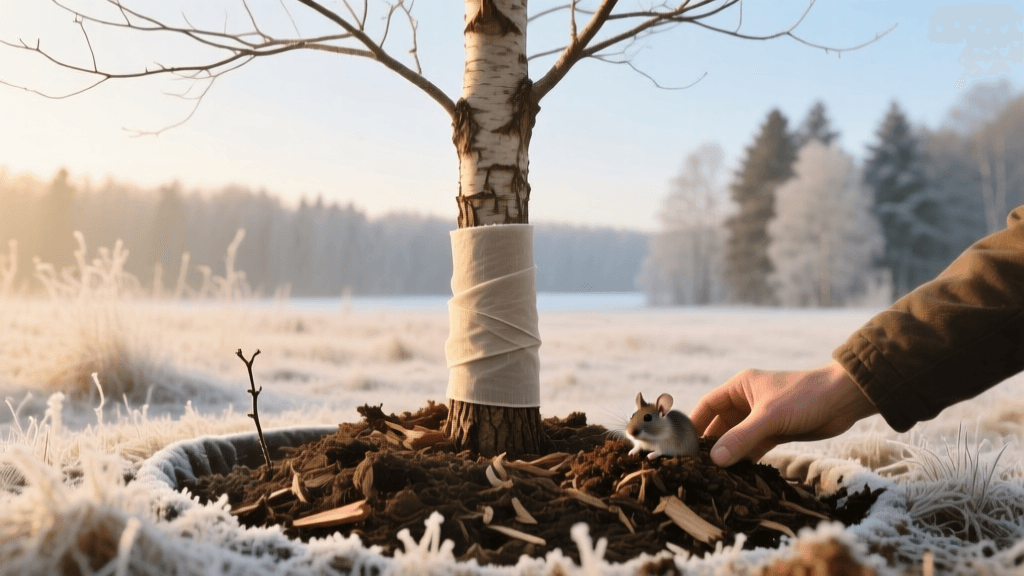
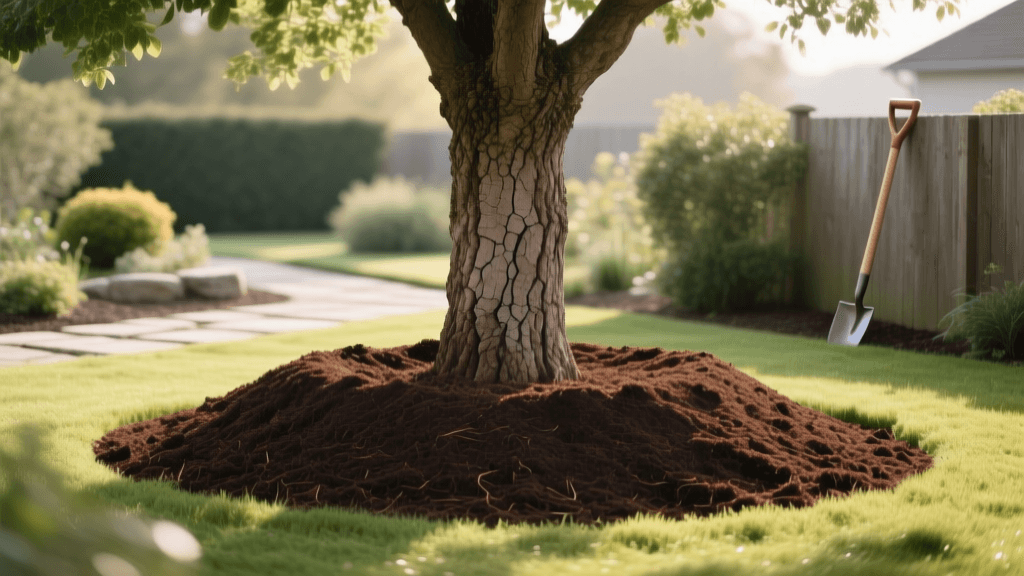
After planting, spread a 3-inch layer of hardwood mulch in a 3-foot circle around each tree. Keep the mulch pulled back 3 inches from the trunk—this keeps rodents away and stops bark rot (the “donut” method). For the first two summers, your trees will need steady water. A temporary drip line with 1-gallon-per-hour emitters placed 12 inches from the trunk works well. Aim for about 10 gallons per week for every inch of trunk thickness. Tree watering bags (like Treegator) are simpler—just refill them once or twice a week.
Pruning for Density and Structural Integrity
Evergreens naturally grow upward more than outward. To get a thick, full screen, prune them each year. In late winter or early spring—before new growth starts—lightly trim the tips of leaders and side branches. Don’t cut off more than one-third of this year’s growth, and avoid cutting into old brown wood; most conifers won’t sprout new needles there. Regular light tipping encourages branching and builds density over time.
Budgeting Your Privacy Screen Project
Don’t just budget for the trees. A 100-foot staggered screen (about 26 trees) usually includes:
- Trees (6 to 7-foot balled and burlapped): $2,600 to $3,900
- Soil Amendments and Mulch: $200 to $350
- Drip Irrigation Kit (150 ft tubing, emitters, timer): $150 to $250
- Delivery and Heavy Equipment Rental (if applicable): $300 to $500
- Professional Planting Labor (Optional): $75 to $125 per tree
Initial costs run $3,500–$6,000 depending on labor, but a healthy screen lasts longer than most fences, supports local wildlife, and gains value over time.
Long-Term Health Tips
Think ahead about what could go wrong. Penn State Extension points out that mixing species helps protect your screen—if one type gets hit by pests or disease, the others usually hold up. Leyland Cypress, for example, has been badly affected by Seiridium canker in some areas. Using at least two or three compatible evergreens in an alternating pattern spreads out the risk. It’s a simple step that pays off over decades.