Tree Care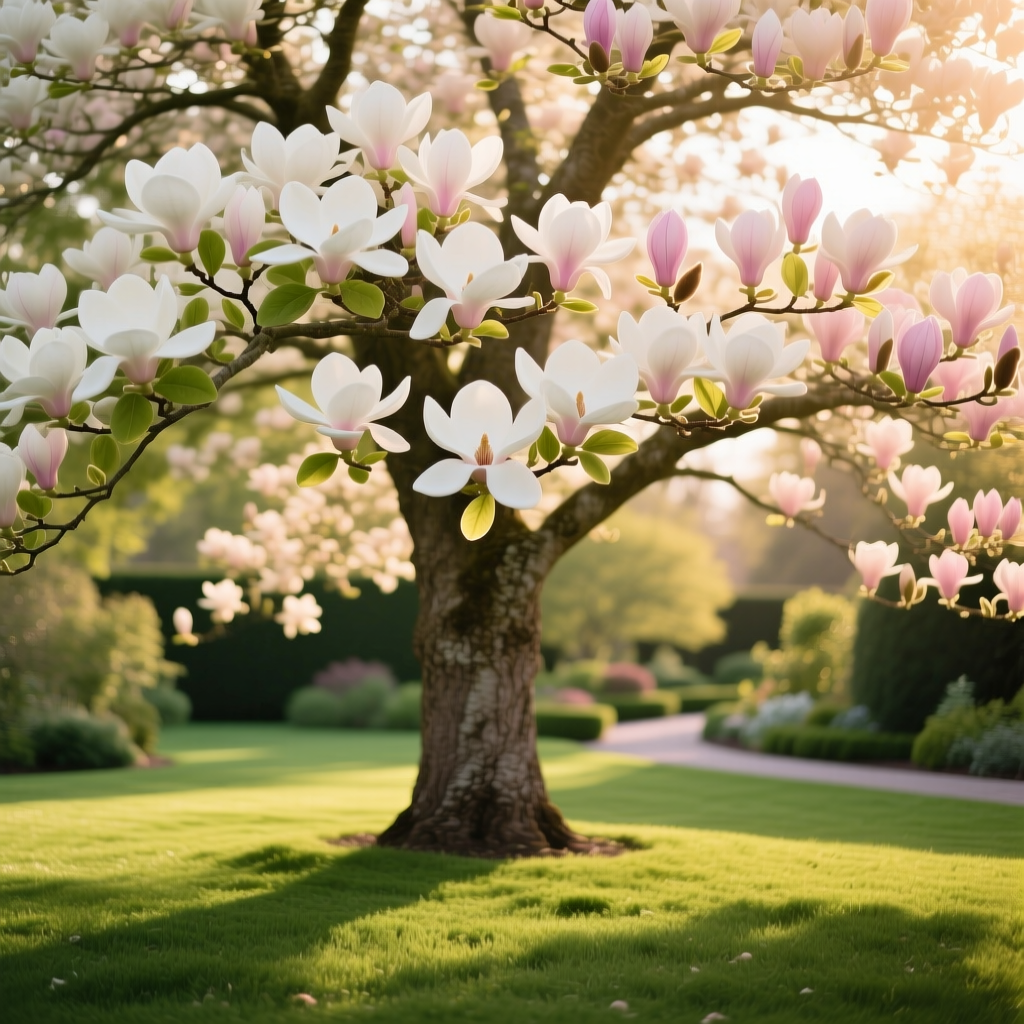
The Ultimate Magnolia Tree Guide: Planting, Care, & Maintenance
James MillerPublished
The Ultimate Magnolia Tree Guide: Planting, Care, & Maintenance
Magnolias are among the most ancient and majestic flowering trees in the world. Predating even the existence of bees, these magnificent plants evolved to be pollinated by beetles, resulting in their incredibly tough, leathery petals and robust floral structures. Today, magnolias are prized in landscapes across the globe for their breathtaking blooms, glossy foliage, and stately presence. Whether you are drawn to the massive, fragrant white flowers of the evergreen Southern Magnolia or the delicate, early-spring starry blooms of deciduous varieties, adding a magnolia to your yard is a long-term investment in natural beauty. However, these trees have specific cultural requirements that must be met to ensure they thrive for generations. In this comprehensive guide, we will explore everything you need to know about magnolia tree care, from selecting the right variety and preparing your soil to mastering pruning techniques and managing seasonal challenges. For more ideas on integrating these stunning specimens into your yard, check out our guide on landscaping with trees.
Understanding Magnolia Tree Varieties
Before planting, it is crucial to understand the different types of magnolias available, as their care requirements, mature sizes, and blooming habits vary significantly. Magnolias generally fall into two main categories: evergreen and deciduous. Evergreen magnolias retain their large, glossy leaves year-round, providing constant visual interest and excellent privacy screens. Deciduous magnolias, on the other hand, drop their leaves in the winter but often put on a spectacular, bare-wood floral display in early spring before the foliage emerges.
Southern Magnolia (Magnolia grandiflora): The quintessential evergreen magnolia, known for its enormous, fragrant white blooms and massive stature. These trees can grow up to 80 feet tall and 40 feet wide, making them suitable only for large properties. They produce a dense shade that can make growing turfgrass underneath them difficult, requiring careful ground cover selection.
Star Magnolia (Magnolia stellata): A smaller, deciduous variety that often grows as a large shrub or small tree, typically reaching 15 to 20 feet in height. Star magnolias are celebrated for their profusion of white, star-shaped flowers that open in late winter or early spring. They are an excellent choice for smaller yards or patio borders.
Saucer Magnolia (Magnolia x soulangeana): One of the most popular deciduous magnolias, featuring large, cup-shaped flowers in shades of pink, purple, and white. Saucer magnolias bloom slightly later than star magnolias, which helps protect their blossoms from late spring frosts. They generally mature to about 20 to 30 feet tall and wide.
Sweetbay Magnolia (Magnolia virginiana): A smaller, often semi-evergreen tree that thrives in wetter soils where other magnolias might struggle. Sweetbay magnolias produce smaller, highly fragrant, lemon-scented white flowers throughout the summer, making them a unique and delightful addition to rain gardens or low-lying areas.
Little Gem (Magnolia grandiflora 'Little Gem'): A highly popular dwarf cultivar of the Southern Magnolia. It offers the same beautiful evergreen foliage and fragrant white blooms but on a much more manageable scale, typically reaching 20 to 25 feet tall. This variety is perfect for modern landscapes, hedges, and even large container plantings.
Site Selection & Planting Instructions
Proper site selection and planting techniques are the foundation of a healthy magnolia tree. Magnolias are relatively sensitive to being transplanted once established, so choosing the right location from the start is critical. Most magnolias prefer a spot that receives full sun to partial shade. In hotter climates, afternoon shade can protect the foliage from scorching and prevent the delicate blooms of deciduous varieties from fading too quickly. Additionally, magnolias benefit from being planted in areas sheltered from harsh, drying winds, which can damage their large leaves and strip early blooms.
Soil preparation is equally important. Magnolias thrive in well-draining, organically rich soil with a slightly acidic pH, ideally between 5.5 and 6.5. Poorly draining, heavy clay soils can lead to root rot, a fatal condition for these trees. Before planting, it is highly recommended to conduct a soil analysis to determine your pH and nutrient levels. Our soil testing guide provides step-by-step instructions on how to accurately assess your yard's soil profile.
When you are ready to plant, follow these steps to ensure a strong start:
- Dig the Hole: Dig a hole that is two to three times as wide as the root ball, but no deeper. The top of the root flare (where the trunk meets the roots) should sit slightly above or exactly level with the surrounding grade. Planting too deeply is one of the most common causes of tree decline.
- Amend the Soil: If your native soil is exceptionally poor, mix in some organic compost to improve drainage and nutrient retention. However, avoid creating a 'pot effect' by using only amended soil; you want the roots to eventually adapt to the native soil.
- Position the Tree: Gently place the tree in the center of the hole. If the tree is root-bound in its nursery container, carefully tease out the outer roots or make shallow vertical cuts along the root ball to encourage outward growth.
- Backfill and Water: Fill the hole with the native soil, tamping it down gently to remove large air pockets. Water the tree deeply immediately after planting to settle the soil around the roots.
Watering, Mulching, & Fertilizing
Establishing a consistent watering and feeding routine is vital for the vigorous growth and abundant blooming of your magnolia tree. While mature magnolias are somewhat drought-tolerant, young trees require regular, deep watering during their first two to three growing seasons. Shallow, frequent watering encourages weak, surface-level root systems. Instead, water deeply at the drip line (the outer edge of the tree's canopy) to encourage roots to grow downward and outward, anchoring the tree securely and making it more resilient to dry spells.
Mulching is a non-negotiable practice for magnolia care. A thick layer of organic mulch helps retain soil moisture, regulates soil temperature, and suppresses weed competition. However, improper mulching can be just as harmful as no mulch at all. Never pile mulch against the trunk of the tree, a practice known as 'volcano mulching,' as this traps moisture against the bark and invites rot and pest infestations. Instead, create a donut-shaped mulch ring that extends out to the drip line, keeping the material a few inches away from the trunk. For a detailed breakdown of the best materials and methods, read our article on proper mulching techniques.
Fertilizing magnolias should be done with care. These trees generally do not require heavy feeding, especially if they are planted in a lawn that receives regular fertilization. If a soil test indicates a nutrient deficiency, or if the tree is showing signs of poor growth and pale foliage, apply a slow-release, acid-forming fertilizer specifically designed for broadleaf evergreens and acid-loving plants. The best time to fertilize is in early spring, just before the growing season begins. Avoid fertilizing in late summer or fall, as this can stimulate tender new growth that will be easily damaged by winter frosts. For more information on maintaining balanced soil nutrition across your entire property, consult our organic fertilizer guide.
Pruning Techniques & Timing
Unlike many other landscape trees, magnolias require very little pruning. In fact, excessive pruning can stress the tree and reduce the following year's bloom production, as magnolias set their flower buds on old wood. Furthermore, magnolias are known to heal slowly from pruning cuts, making them susceptible to disease entry if cut improperly. Therefore, pruning should be strictly limited to removing dead, damaged, or diseased wood, eliminating crossing or rubbing branches, and raising the lower canopy for pedestrian clearance or lawn maintenance.
The timing of your pruning depends on the type of magnolia you are growing. For deciduous magnolias, such as the Star and Saucer varieties, the best time to prune is immediately after they finish blooming in late spring or early summer. Pruning them in late winter or early spring will remove the flower buds that have been developing since the previous year, resulting in a disappointing floral display. Evergreen magnolias, like the Southern Magnolia, are best pruned in late winter or early spring before the main flush of new growth begins.
When making cuts, always use sharp, clean tools to ensure smooth wounds that heal quickly. Sterilize your pruning shears and saws with rubbing alcohol or a bleach solution between cuts, especially when removing diseased wood, to prevent the spread of pathogens. Make your cuts just outside the branch collar—the swollen area where the branch meets the trunk—to allow the tree to compartmentalize the wound naturally. Never top a magnolia tree, as this ruins its natural, pyramidal shape and creates weak, hazardous regrowth. To ensure you are using the right equipment for the job, review our guide on essential pruning tools.
Common Pests, Diseases, & Troubleshooting
While magnolias are generally robust and resistant to severe pest pressures, they are not entirely immune to environmental stressors and biological threats. Identifying and addressing these issues early is key to maintaining a healthy tree. One of the most common pests to afflict magnolias is the magnolia scale. These small, sap-sucking insects attach themselves to the branches and excrete a sticky substance called honeydew. Honeydew not only attracts ants and wasps but also serves as a breeding ground for sooty mold, a black, powdery fungus that coats the leaves and branches, inhibiting photosynthesis. Scale can be managed by applying horticultural oil during the tree's dormant season or using targeted insecticidal soaps during the active crawler stage in late summer.
Fungal diseases are also a concern, particularly in humid climates or during periods of prolonged spring rainfall. Fungal leaf spot, often caused by anthracnose, manifests as irregular brown or black lesions on the foliage. While rarely fatal to a mature tree, it can cause premature leaf drop and aesthetic decline. The best defense against fungal issues is cultural prevention: ensure adequate air circulation through proper spacing, avoid overhead watering, and rake up and destroy fallen, infected leaves to remove the source of fungal spores.
Canker diseases can occasionally affect magnolias, appearing as sunken, discolored, or oozing areas on the bark. Cankers are often opportunistic, attacking trees that are already stressed by drought, physical damage, or extreme temperatures. The only effective treatment is to prune out the affected branches well below the visible canker, sterilizing your tools between every cut. A more serious, soil-borne threat is Verticillium wilt, which causes sudden wilting, yellowing, and dieback of individual branches. There is no chemical cure for Verticillium wilt; prevention through proper watering, mulching, and avoiding root damage is the only reliable strategy. For a deeper dive into diagnosing and treating various arboreal ailments, visit our resource on identifying tree diseases.
Seasonal Care Calendar
Providing targeted care throughout the changing seasons will ensure your magnolia tree remains vibrant and resilient year-round.
Spring: As the tree breaks dormancy, inspect it for any winter damage and prune accordingly (for evergreens). Apply a fresh layer of mulch to prepare for the summer heat and administer a balanced, acid-forming fertilizer if a soil test indicates a need. Keep an eye out for late frosts that can damage the delicate blooms of deciduous varieties.
Summer: Hydration is the primary focus during the hot summer months. Monitor the soil moisture deeply and water thoroughly during dry spells. This is also the time to monitor for scale insects and treat them during their vulnerable crawler stage. Avoid heavy pruning during peak heat, as it can stress the tree.
Fall: Deciduous magnolias will drop their leaves, while evergreen Southern magnolias often experience a heavy, natural leaf drop in the autumn and spring as they cycle out older foliage. Rake up the fallen leaves if they are smothering your lawn, but consider shredding them and using them as mulch in your garden beds. Reduce watering as the tree prepares for dormancy, but ensure the soil is adequately moist before the first hard freeze.
Winter: Protect young or newly planted magnolias from harsh winter winds and frost heaving by maintaining a thick mulch ring. Avoid walking on the frozen soil around the root zone to prevent compaction. If heavy snow accumulates on the flexible branches of deciduous shrub-magnolias, gently brush it off to prevent breakage.
Frequently Asked Questions
How fast do magnolia trees grow?
The growth rate of a magnolia tree depends heavily on the specific variety and its growing conditions. Southern Magnolias are generally considered slow to medium growers, adding about 1 to 2 feet per year under optimal conditions. Deciduous varieties, like the Saucer and Star magnolias, tend to grow a bit faster, often adding 1 to 3 feet annually when young. Dwarf cultivars like 'Little Gem' grow much slower, making them ideal for confined spaces. Providing ideal soil, consistent moisture, and proper sunlight will maximize your tree's growth potential.
Why is my magnolia tree not blooming?
There are several reasons a magnolia might fail to produce flowers. The most common cause is simply age; many magnolias grown from seed can take 10 to 15 years, or even longer, to produce their first bloom, whereas grafted or cutting-propagated trees usually bloom within 2 to 5 years. Other culprits include improper pruning (cutting off the flower buds), late spring frosts that kill the developing buds, insufficient sunlight, or excessive nitrogen fertilization, which promotes leafy growth at the expense of flowers. Ensure your tree is receiving adequate sun and avoid heavy pruning in late winter.
Can magnolia trees be grown in containers?
Yes, but you must select the right variety. Standard Southern Magnolias will quickly outgrow any container and become root-bound, leading to poor health. However, dwarf cultivars such as 'Little Gem', 'Teddy Bear', or smaller deciduous varieties like the Star Magnolia can thrive in large, heavy containers for many years. When growing magnolias in pots, use a high-quality, well-draining potting mix formulated for acid-loving plants. Container-grown trees require more frequent watering and regular, light fertilization, as nutrients leach out of the soil with every watering. Ensure the pot has excellent drainage holes to prevent root rot.
Are magnolia tree roots invasive?
Magnolia roots are not typically considered 'invasive' in the sense that they will aggressively crack foundations or destroy underground plumbing like some willow or poplar species. However, magnolias do develop wide-spreading, shallow root systems that extend well beyond the drip line of the canopy. These surface roots can make it very difficult to grow turfgrass or dig planting beds near the base of the tree. The dense shade combined with the shallow roots creates a challenging environment for understory plants. It is best to plant magnolias away from sidewalks, driveways, and patios to accommodate their expansive root flare and prevent surface heaving over time.