Tree Care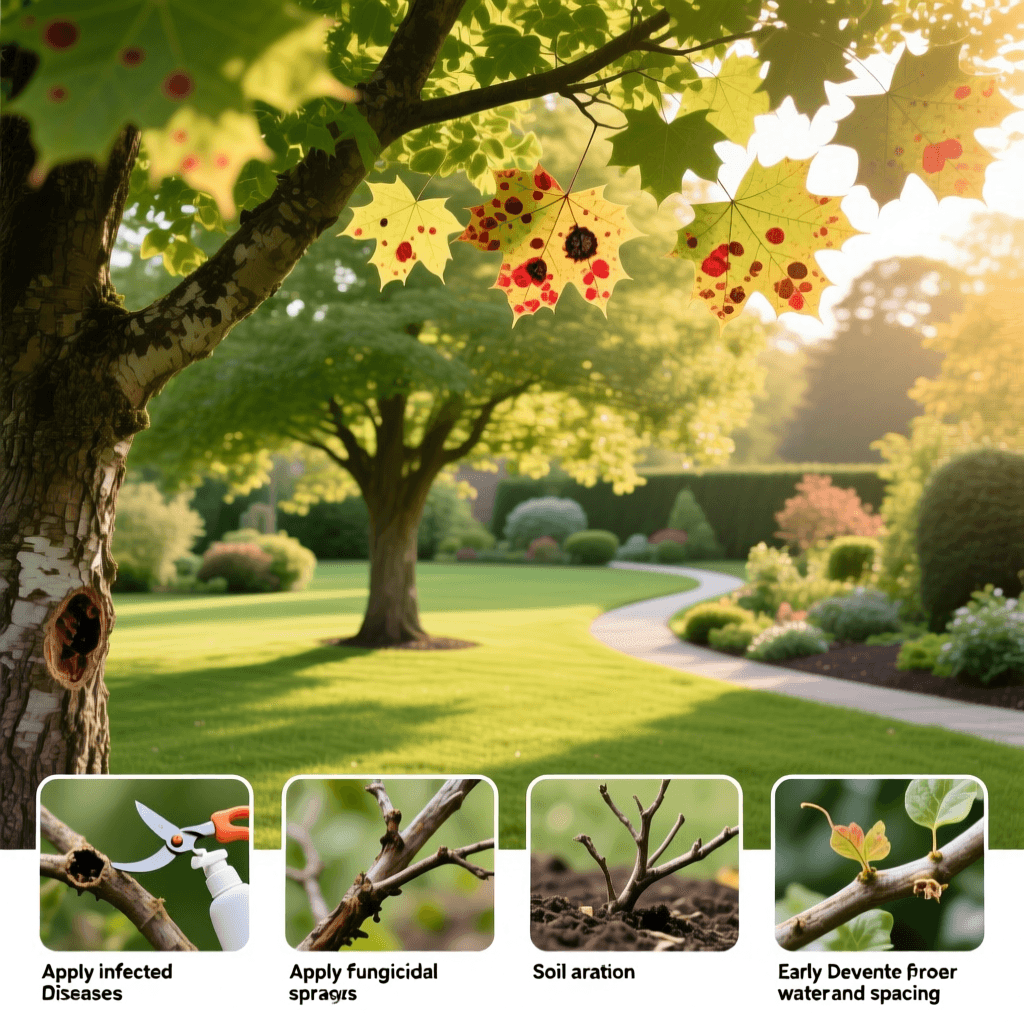
Identifying and Treating Common Maple Tree Diseases: A Complete Guide
Maple trees (Acer species) are iconic fixtures in many landscapes, celebrated for their majestic canopies, vibrant autumn foliage, and the cooling shade they provide during the warmer months. However, like all living organisms, maples are susceptible to a variety of environmental stressors, pests & diseases. When a maple tree falls ill, the aesthetic & structural value of your property can quickly diminish. Understanding the underlying causes of tree decline is the first step toward effective restoration. Whether you are nurturing a young sapling or maintaining a century-old specimen, proactive health management is essential. In this comprehensive guide, we will explore the essential care requirements, proper pruning techniques, and the most common maple tree diseases you need to watch for. By integrating these tree care practices with your broader seasonal lawn maintenance routine, you can cultivate a thriving, resilient landscape that stands the test of time.
Essential Care Requirements for Healthy Maple Trees
A robust defense against disease begins with optimal cultural practices. Maples are relatively adaptable, but they thrive best when their specific environmental needs are met. Neglecting these foundational care requirements can lead to chronic stress, making the tree highly vulnerable to opportunistic fungi and bacterial infections.
Soil Composition and pH: Maples generally prefer slightly acidic to neutral soil, with a pH ranging from 5.5 to 7.0. Compacted or highly alkaline soils can lead to nutrient deficiencies, particularly iron chlorosis, which manifests as yellowing leaves with green veins. Conducting a thorough soil analysis is crucial before planting or treating a struggling tree. Utilizing a professional soil testing guide will help you determine the exact amendment requirements for your yard. If your soil is too alkaline, incorporating elemental sulfur or organic compost can gradually lower the pH.
Watering and Drainage: While maples require consistent moisture, they are highly sensitive to waterlogged conditions. Overwatering suffocates the root system and creates a breeding ground for root rot pathogens. Established maples typically require about one to two inches of water per week, either from rainfall or supplemental irrigation. During periods of drought, deep, infrequent watering is vastly superior to shallow, daily sprinklings. Deep watering encourages roots to grow downward, anchoring the tree and improving its drought tolerance. For newly planted specimens, refer to our detailed guide on watering new trees to ensure proper establishment.
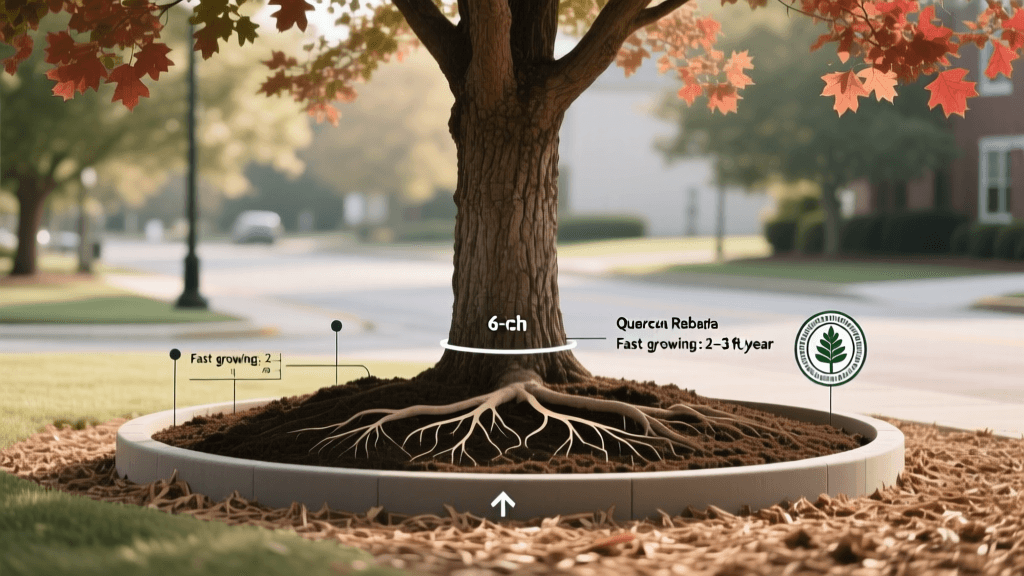
Mulching and Turf Competition: One of the most common mistakes in landscape design is planting turfgrass right up to the trunk of a mature tree. Grass & tree roots compete fiercely for water & nutrients. To reduce this competition and protect the trunk from string trimmer damage, apply a two-to-four-inch layer of organic mulch in a wide ring around the tree. Keep the mulch a few inches away from the trunk itself to prevent bark rot and rodent habitation. If your maple casts deep shade, consider replacing the struggling grass beneath it with shade-tolerant grasses or shade-loving groundcovers to reduce soil compaction from constant mowing.
Pruning Techniques to Prevent Disease Spread
Pruning is a vital component of maple tree care, serving both structural and sanitary purposes. Proper pruning improves air circulation through the canopy, which rapidly dries foliage after rain and significantly reduces the likelihood of fungal spores germinating. However, improper pruning can create large, unhealed wounds that serve as direct entry points for wood-decaying fungi and vascular wilts.
Timing is Everything: The optimal time to prune maple trees is during the late dormant season, just before the spring sap flow begins. Pruning in late winter minimizes the risk of attracting sap-feeding insects that can vector diseases. While maples are known to "bleed" sap heavily if pruned in late winter or early spring, this sap loss is mostly cosmetic and does not harm the tree's overall health. Avoid heavy pruning in the fall, as wounds heal slower going into winter, increasing the risk of frost damage and fungal infiltration. For a deeper dive into cutting angles and branch collars, review our pruning basics tutorial.
Tool Sanitation: This step is frequently overlooked by homeowners but is absolutely critical when dealing with diseased wood. Pathogens like Verticillium wilt and bacterial blight can easily be transmitted from an infected tree to a healthy one via contaminated saw blades and loppers. Always sterilize your pruning tools between cuts when removing diseased tissue, and between different trees. A solution of ten percent household bleach or seventy percent isopropyl alcohol is highly effective. Wipe the blades thoroughly and allow them to dry to prevent rusting.
The Three-Cut Method: When removing large, heavy limbs, always use the three-cut method to prevent the bark from tearing down the trunk. The first cut is a shallow undercut made a foot away from the trunk. The second cut is made from the top, slightly further out than the undercut, allowing the weight of the branch to snap off cleanly. The final cut removes the remaining stub just outside the branch collar—the swollen area where the branch meets the trunk. Never cut flush with the trunk, as this removes the tree's natural chemical barrier and severely hinders the compartmentalization process.
Common Maple Tree Diseases and How to Treat Them
Even with excellent cultural care, maples can fall victim to several prevalent diseases. Early identification is the key to saving the tree and preventing the pathogen from spreading to neighboring plants.
Tar Spot (Rhytisma acerinum)
Tar spot is one of the most visually alarming yet least destructive diseases affecting maples, particularly Norway and silver maples. It manifests as raised, glossy, black, tar-like lesions on the leaves, usually appearing in mid-to-late summer.
- Symptoms and Impact: The spots begin as pale yellow or greenish-yellow speckles in early summer before maturing into hard, black stromata. While severe infections can cause premature leaf drop, tar spot is primarily a cosmetic issue and rarely threatens the overall health or structural integrity of a mature tree.
- Treatment and Prevention: Fungicide applications are generally unnecessary and impractical for large shade trees. The most effective management strategy is sanitation. The fungus overwinters in fallen leaf litter. Raking and destroying infected leaves in the autumn drastically reduces the inoculum available to infect new growth the following spring. Proper fall leaf management is your best defense against this recurring nuisance.
Anthracnose
Anthracnose is a complex of fungal diseases that thrive in cool, wet spring weather. It affects many deciduous trees, but maples are particularly susceptible when new leaves are emerging.
- Symptoms and Impact: Infected leaves develop irregular, brown or tan necrotic patches, often following the leaf veins or margins. In severe cases, leaves may curl, wither, and drop prematurely. The tree will often push out a second flush of growth, which can deplete its energy reserves if the infection occurs repeatedly over several consecutive years.
- Treatment and Prevention: Improve air circulation by selectively thinning the canopy during the dormant season. Avoid overhead irrigation, which keeps the foliage wet and promotes fungal sporulation. In most cases, anthracnose is a seasonal problem that resolves itself once the weather becomes warm and dry. Fungicides containing chlorothalonil or mancozeb can be applied as a preventative measure in early spring, but they must be applied before the buds break.
Verticillium Wilt
Verticillium wilt is a devastating, soil-borne fungal disease caused by Verticillium dahliae and Verticillium albo-atrum. It attacks the vascular system of the tree, blocking the upward movement of water & nutrients.
- Symptoms and Impact: Symptoms often appear suddenly in mid-summer and are typically localized to one side of the tree or individual branches. Leaves will wilt, turn yellow, and drop prematurely. A definitive diagnosis can be made by peeling back the bark on an affected branch; the underlying sapwood will reveal distinct olive-green or black streaking.
- Treatment and Prevention: There is no chemical cure for Verticillium wilt once a tree is infected. Management focuses on supportive care to prolong the tree's life. Water deeply during dry periods, apply a balanced, low-nitrogen fertilizer, and prune out dead branches using sterilized tools. If the tree succumbs to the disease, avoid replanting another maple or susceptible species in the exact same location, as the fungus can persist in the soil for many years.
Powdery Mildew
Powdery mildew is a widespread fungal disease that appears as a white or grayish powdery coating on the surface of leaves, shoots, and occasionally flowers.
- Symptoms and Impact: Unlike many other fungi, powdery mildew thrives in warm, dry days followed by cool, humid nights. It rarely kills a mature maple but can cause significant aesthetic damage, leaf distortion, and reduced photosynthetic capacity. Young saplings and heavily shaded trees are the most vulnerable.
- Treatment and Prevention: Ensure your maple is planted in a location with adequate sun & shade balance and airflow. Avoid excessive nitrogen fertilization, which promotes the rapid, succulent growth that mildew favors. If the infection is severe, horticultural oils or sulfur-based fungicides can be applied, but avoid using sulfur when temperatures exceed eighty-five degrees Fahrenheit to prevent leaf burn.
Phytophthora Root Rot
Phytophthora root rot is caused by water-mold organisms (oomycetes) that thrive in heavy, poorly drained soils. It is a leading cause of decline in urban and suburban maples.
- Symptoms and Impact: Above ground, the tree exhibits general decline, including stunted growth, chlorotic (yellow) leaves, and thinning of the canopy. Below ground, the fine feeder roots turn brown, mushy, and emit a foul odor. The inner bark at the soil line may appear dark and water-soaked.
- Treatment and Prevention: Prevention is entirely dependent on site selection and soil drainage. If your yard suffers from poor drainage, consider installing French drains or amending the soil with organic matter before planting. For existing trees, avoid overwatering and ensure that sprinkler systems are not constantly saturating the root zone. In some cases, professional arborists can apply systemic phosphonate fungicides as a preventative or early-stage treatment, but improving soil aeration through techniques similar to core aeration around the drip line is often more beneficial long-term.
Seasonal Tips for Maple Tree Maintenance
Maintaining a healthy maple tree requires a year-round commitment. Aligning your tree care tasks with the natural rhythms of the seasons ensures that your interventions are timely and effective.
- Spring: As the soil thaws and buds begin to swell, inspect your maple for any winter damage or signs of early fungal activity. Apply a fresh layer of mulch to retain soil moisture and suppress weeds. If a soil test indicates a deficiency, apply a slow-release, balanced fertilizer just before the growing season peaks. Monitor for early spring pests like scale insects or aphids, which can weaken the tree and make it more susceptible to disease.
- Summer: The primary focus during the summer months is water management and stress monitoring. Maples have shallow root systems that are highly susceptible to drought stress. Water deeply once a week during dry spells. Keep an eye out for the telltale signs of Verticillium wilt, which often manifest during the heat of summer. Avoid heavy pruning during this time, as open wounds can attract pests and fail to callus over quickly.
- Autumn: Fall is the season for sanitation and preparation. Raking and disposing of fallen leaves is critical for breaking the life cycles of tar spot and anthracnose. Do not compost diseased leaves, as home compost piles rarely reach the temperatures required to kill fungal spores. Autumn is also an excellent time to plant new maples, as the cool air and warm soil encourage rapid root establishment without the stress of supporting a full canopy.
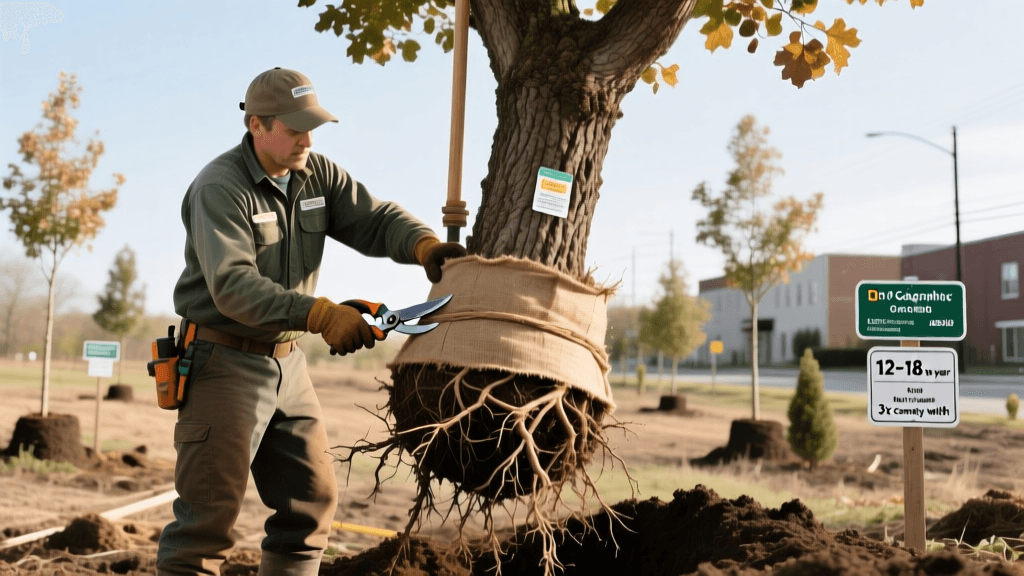
- Winter: Once the tree has entered full dormancy and the leaves have dropped, the structural framework of the canopy is fully visible. This is the ideal time to perform structural pruning, remove crossing branches, and eliminate deadwood. Protect the trunks of young maples from sunscald and rodent damage by installing tree guards or wrapping the lower trunk with commercial tree wrap. Remove the wrap in early spring to prevent moisture buildup and bark rot.
Frequently Asked Questions
Why are the leaves on my maple tree turning brown in summer?
Summer browning, often called leaf scorch, is typically a symptom of environmental stress rather than an infectious disease. It occurs when the tree loses water through its leaves faster than the roots can absorb it from the soil. This is most commonly caused by prolonged drought, high winds, or root damage from construction or soil compaction. To remedy this, provide deep, slow watering directly to the root zone and ensure the tree is properly mulched to retain soil moisture. If the browning is accompanied by olive-green streaking under the bark, it may indicate Verticillium wilt.
Can a maple tree recover from Verticillium wilt?
Verticillium wilt is a systemic fungal infection with no known chemical cure. However, a tree's ability to recover depends on its overall vigor and the severity of the infection. Some mature maples can successfully compartmentalize the fungus, walling off the infected vascular tissue and surviving for many years with only minor branch dieback. Supportive care is essential: water deeply during droughts, avoid wounding the roots or trunk, and prune out dead branches using sterilized tools. Severely declining trees with extensive canopy loss may eventually need to be removed for safety reasons.
How do I get rid of tar spot on my maple leaves?
Tar spot is a fungal disease that causes unsightly black, tar-like bumps on maple leaves. Because the infection is primarily cosmetic and does not harm the long-term health of the tree, chemical treatments are rarely recommended. The most effective way to control tar spot is through rigorous autumn sanitation. Rake up and destroy all fallen leaves, as the fungus overwinters in the leaf litter and releases spores in the spring to infect new foliage. Improving air circulation in the canopy through dormant pruning can also help leaves dry faster, making the environment less hospitable to the fungus.
Should I remove a maple tree with severe root rot?
If a maple tree is suffering from advanced Phytophthora root rot, removal is often the safest and most practical option. Root rot compromises the structural integrity of the tree, making it a significant hazard during high winds or storms. Signs of advanced root rot include a severely thinning canopy, widespread branch dieback, and mushy, decaying roots at the soil line. Before making a final decision, consult with a certified arborist who can assess the tree's structural stability and determine if any remedial treatments or soil drainage improvements could save the tree.
What is the best fertilizer for a struggling maple tree?
The best fertilizer for a struggling maple depends entirely on the underlying cause of the decline and the current soil chemistry. Before applying any fertilizer, conduct a soil test to identify specific nutrient deficiencies. Generally, a slow-release, balanced fertilizer with a ratio like 10-10-10 or one specifically formulated for trees & shrubs is appropriate. Avoid high-nitrogen fertilizers, as they promote rapid, weak foliage growth that is highly susceptible to pests and fungal diseases like powdery mildew. If the tree is suffering from a root disease or severe drought stress, hold off on fertilizing until the tree has recovered, as pushing new growth on a stressed root system can cause further decline.