Gardening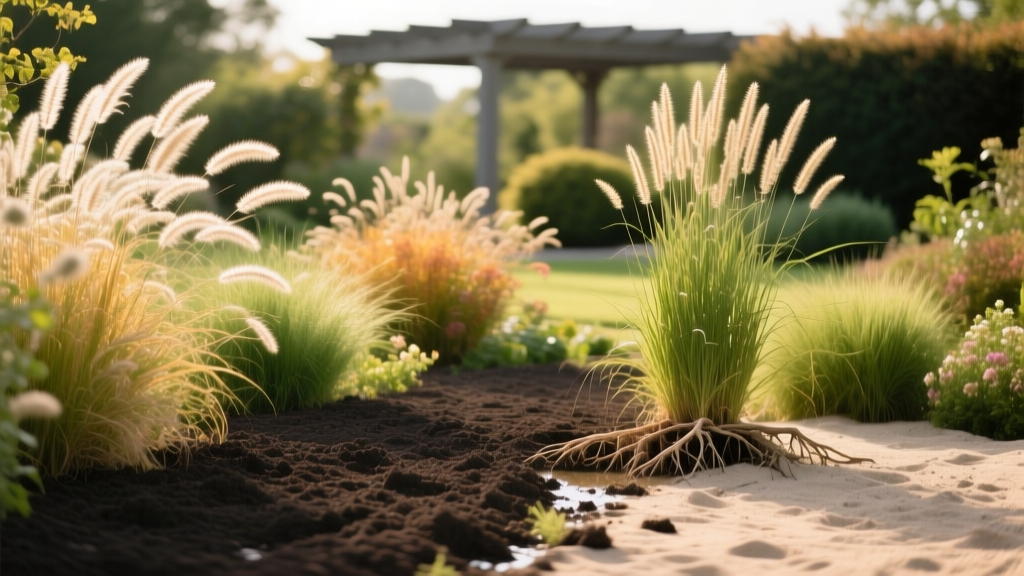
How To Match Soil Types With Ornamental Garden Grasses
Sarah ChenPublished
The Foundation of a Thriving Grass Garden
Ornamental grasses bring unparalleled texture, dynamic movement, and year-round visual interest to garden landscapes, raised bed perimeters, and flower borders. However, the secret to a lush, low-maintenance grass garden lies beneath the surface: soil compatibility. While many gardeners focus heavily on sunlight exposure and watering schedules, matching the right grass species to your native soil type is the most crucial step for long-term vitality. Unlike turfgrass lawns that require extensive soil modification, ornamental grasses often thrive when matched to their preferred native soil conditions, saving you time, money, and frustration.
According to the United States Department of Agriculture (USDA), understanding your soil texture and composition is the first step in any successful planting project. Soil dictates how water drains, how roots penetrate, and how nutrients are held. By selecting ornamental grasses that are naturally adapted to your existing soil profile, you can create a stunning, resilient garden ecosystem that requires minimal supplemental fertilizers and irrigation.
Identifying Your Native Soil Profile
Before purchasing plants at the nursery, you must identify your garden's soil type. The three primary soil textures are sand, silt, and clay, with loam being the ideal mixture of all three. You can perform a simple mason jar test at home: fill a jar with one part garden soil and three parts water, shake vigorously, and let it settle for 24 hours. Sand settles at the bottom within a minute, silt forms the middle layer over a few hours, and clay remains suspended at the top.
- Clay Soil: Feels sticky when wet and forms a hard, cracked surface when dry. It retains moisture and nutrients exceptionally well but suffers from poor drainage and compaction, which can suffocate plant roots.
- Sandy Soil: Feels gritty and falls apart easily when squeezed. It offers excellent drainage and aeration but struggles to retain water and essential nutrients, requiring drought-tolerant plant selections.
- Loam Soil: Feels crumbly, dark, and rich. It holds moisture well while allowing excess water to drain freely, making it the gold standard for a wide variety of garden plants.
Matching Grasses to Heavy Clay Soils
Clay soils are notorious for their poor drainage, especially during heavy spring rains or winter thaws. Grasses planted in clay must tolerate occasional 'wet feet' and be vigorous enough to push their roots through dense, compacted earth. Rather than spending hundreds of dollars on soil amendments to artificially improve drainage, it is far more cost-effective to choose grasses that naturally thrive in heavy soils.
Top Picks for Clay:
- Switchgrass (Panicum virgatum): A robust native prairie grass with deep, penetrating roots that easily break up heavy clay. It tolerates temporary waterlogging and provides excellent winter interest. Expect to pay $18 to $25 for a 1-gallon nursery pot. Space plants 24 to 36 inches apart to allow for their mature spread.
- Maiden Grass (Miscanthus sinensis): Known for its graceful, arching blades and feathery plumes, Maiden Grass is highly adaptable. While it prefers well-draining soil, mature specimens handle heavy clay remarkably well, provided the site receives full sun (at least 6 hours daily).
- Prairie Cordgrass (Spartina pectinata): If your clay soil remains consistently boggy or borders a rain garden, this aggressive, moisture-loving native grass is an ideal solution. It can reach heights of 5 to 8 feet and stabilizes wet soil banks beautifully.
Selecting Grasses for Fast-Draining Sandy Soils
Sandy soils present the opposite challenge: they drain water so rapidly that plants can suffer from drought stress and nutrient deficiency. Grasses suited for sandy environments must possess deep root systems, narrow foliage to reduce transpiration, and a high tolerance for dry, lean conditions. Over-amending sandy soil with rich compost can sometimes do more harm than good, as many ornamental grasses actually produce stronger stems and better flower plumes in poorer soils.
Top Picks for Sand:
- Little Bluestem (Schizachyrium scoparium): A stunning native grass that transitions from blue-green in summer to vibrant copper and mahogany in autumn. It is exceptionally drought-tolerant once established and thrives in nutrient-poor, sandy environments. Plant in full sun and avoid fertilizing, which can cause the stems to flop.
- Blue Fescue (Festuca glauca): A compact, clumping grass famous for its intense, silvery-blue foliage. Blue Fescue demands sharp drainage and will quickly succumb to crown rot in heavy soils, making it the perfect candidate for sandy garden borders, rock gardens, and the edges of raised beds. Space small 1-gallon plants 12 to 18 inches apart.
- Pink Muhly Grass (Muhlenbergia capillaris): In late summer, this grass erupts in a breathtaking display of pink, cloud-like inflorescences. It is highly adaptable to sandy, coastal soils and tolerates both drought and salt spray, making it a favorite for seaside gardens and dry, sun-baked slopes.
Capitalizing on Loam and Silt Soils
If your garden is blessed with loamy or silty soil, you have the luxury of choosing from almost any ornamental grass species. Loam provides the perfect balance of moisture retention and drainage, supporting lush, vigorous growth. This soil type is particularly well-suited for shade-tolerant grasses and moisture-loving varieties that would perish in dry sand or rot in heavy clay.
Top Picks for Loam:
- Japanese Forest Grass (Hakonechloa macra): One of the few ornamental grasses that truly excels in partial to full shade. Its cascading, bamboo-like foliage brightens up dark garden corners and woodland borders. It requires the consistent moisture and rich organic matter found in loamy soils to thrive. Costs typically range from $20 to $35 per gallon.
- Fountain Grass (Pennisetum alopecuroides): Produces soft, bottlebrush-like plumes that catch the morning and evening light. It prefers the consistent moisture and fertile environment of loam, though it will tolerate occasional dry spells once its root system is fully established.
- Feather Reed Grass (Calamagrostis x acutiflora): A vertical, architectural grass that adds height and structure to perennial borders. 'Karl Foerster' is a highly popular cultivar that performs beautifully in loam, tolerating a wide range of moisture levels and providing early summer blooms.
Soil Amendment and Preparation Strategies
While matching the plant to the soil is the best approach, some minimal preparation is required to ensure successful establishment. Experts at Penn State Extension emphasize that ornamental grasses generally do not require heavy fertilization. In fact, excess nitrogen can lead to weak, floppy growth and reduced flowering.
For heavy clay soils, incorporate 2 to 3 inches of organic compost into the top 6 inches of the planting area to improve soil structure and microbial activity. For sandy soils, mixing in peat moss or well-rotted manure can help increase water-holding capacity. When digging the planting hole, ensure it is twice as wide as the nursery pot but no deeper. The crown of the grass (where the roots meet the shoots) must sit exactly level with the surrounding soil surface. Planting too deeply is the leading cause of crown rot and plant failure in ornamental grasses.
Ornamental Grass Soil Matching Chart
| Common Name | Botanical Name | Preferred Soil Type | Sunlight Needs | Mature Height |
|---|---|---|---|---|
| Switchgrass | Panicum virgatum | Clay, Loam | Full Sun | 3 - 6 ft |
| Little Bluestem | Schizachyrium scoparium | Sand, Loam | Full Sun | 2 - 4 ft |
| Blue Fescue | Festuca glauca | Sand, Rocky | Full Sun | 0.5 - 1 ft |
| Japanese Forest Grass | Hakonechloa macra | Loam, Silt | Part to Full Shade | 1 - 2 ft |
| Feather Reed Grass | Calamagrostis x acutiflora | Loam, Clay | Full to Part Sun | 4 - 6 ft |
Planting Timing and Long-Term Care
The optimal time to plant ornamental grasses is in the spring after the last frost or in the early fall, at least six weeks before the first hard freeze. Spring planting allows the grass an entire growing season to establish its root system before winter dormancy. Fall planting is excellent for cool-season grasses like Blue Fescue or Feather Reed Grass, but warm-season grasses like Switchgrass and Muhly Grass prefer the warming soils of spring.
During the first growing season, provide approximately 1 inch of water per week, either through rainfall or supplemental irrigation, to encourage deep root growth. Apply a 2-inch layer of organic mulch around the base of the plants to retain moisture and suppress weeds, but keep the mulch a few inches away from the central crown to prevent rot.
Maintenance is remarkably low once the grasses are established. The Clemson Cooperative Extension advises gardeners to leave the dried foliage and seed heads intact throughout the winter. This not only provides critical shelter for local wildlife and beneficial insects but also adds striking architectural interest to the dormant garden. In late winter or early spring, just before new green shoots emerge from the base, cut the entire clump down to about 4 to 6 inches above the ground using hedge shears or a string trimmer. Every three to four years, divide overcrowded clumps in the spring to rejuvenate the plants and propagate new additions for your garden borders.
Conclusion
Successfully integrating ornamental grasses into your garden landscape does not require importing truckloads of topsoil or adhering to a strict chemical fertilizer regimen. By taking the time to identify your native soil type—whether it is dense clay, fast-draining sand, or rich loam—and selecting grass species that are genetically predisposed to thrive in those exact conditions, you set the stage for a vibrant, resilient garden. Match the plant to the earth, and your ornamental grasses will reward you with years of effortless beauty, movement, and ecological value.
