Gardening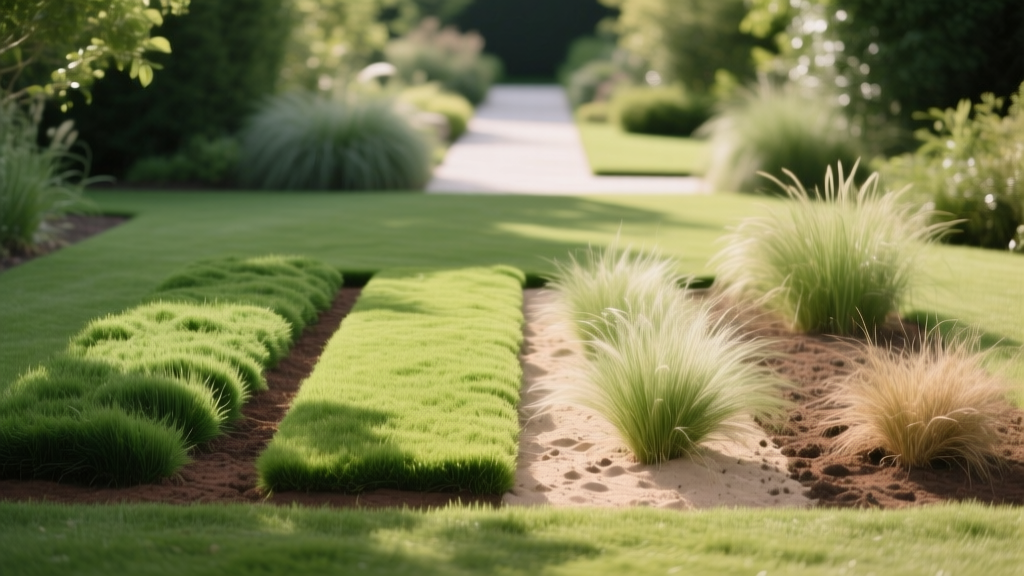
How to Match Grass Types to Your Garden Soil Profile
Sarah ChenPublished
Introduction: Why Soil Dictates Grass Success in the Garden
When designing a garden landscape, homeowners often obsess over flower colors, vegetable yields, and hardscaping, frequently overlooking the foundational element that dictates the success of their grasses: the soil profile. Whether you are installing a turfgrass border to frame your raised beds, creating a low-maintenance pathway, or planting towering ornamental grasses to serve as privacy screens, matching the grass species to your native soil type is non-negotiable. According to the University of Minnesota Extension, soil texture—defined by the proportion of sand, silt, and clay—directly controls water infiltration, nutrient holding capacity, and root penetration. Planting a moisture-loving grass in fast-draining sandy soil, or a drought-tolerant species in heavy clay, inevitably leads to stunted growth, disease susceptibility, and wasted financial resources.
Understanding the Big Four Soil Types
Before purchasing seed or plugs, you must identify your garden's soil type. The four primary soil categories each present unique challenges and advantages for grass cultivation.
1. Clay Soil
Clay soil is composed of extremely fine mineral particles. It feels sticky when wet and forms hard, compacted clods when dry. While clay is exceptionally rich in nutrients, its poor drainage and lack of aeration make it difficult for delicate grass roots to penetrate. For garden borders with heavy clay, you must select grasses that can tolerate "wet feet" in the spring and extreme hardness in the summer. Tall Fescue (a cool-season turf) and Switchgrass (Panicum virgatum, an ornamental) are excellent choices due to their deep, aggressive root systems that can break through compacted layers.
2. Sandy Soil
Sandy soil has large particles, resulting in rapid drainage and poor nutrient retention. Water and fertilizers wash right through the root zone before the grass can absorb them. However, sandy soil is easy to dig and warms up quickly in the spring. For sandy garden beds, choose drought-tolerant, deep-rooted grasses. Zoysia and Bermuda grass thrive in sandy environments, while Pink Muhly Grass (Muhlenbergia capillaris) provides stunning ornamental plumes without requiring constant irrigation or heavy feeding.
3. Silt Soil
Silt particles are medium-sized, feeling smooth and almost soapy when rubbed between wet fingers. Silt holds moisture and nutrients better than sand but is highly prone to compaction and erosion. Grasses planted in silt require careful aeration. Kentucky Bluegrass and Perennial Ryegrass perform well in silt if the garden area receives adequate foot traffic management, while Fountain Grass (Pennisetum alopecuroides) offers a beautiful, low-maintenance ornamental option that handles the moisture retention of silt beautifully.
4. Loam Soil
Loam is the holy grail of gardening—a balanced mix of roughly 40% sand, 40% silt, and 20% clay. It drains well but retains enough moisture and nutrients to support almost any plant life. If your garden borders boast true loam, you have the freedom to plant virtually any turf or ornamental grass, from fine-blended Fescues to massive Miscanthus varieties, with minimal soil amendment required.
Soil Testing: The Crucial First Step
Never guess your soil type or pH. A professional soil test costs between $20 and $30 and provides a precise breakdown of your soil's texture, pH, and macronutrient levels. As noted by Penn State Extension, understanding your soil test report is the only way to apply the correct lime or sulfur amendments to reach the optimal grass pH range of 6.0 to 7.0.
The DIY Mason Jar Test: If you need a quick texture analysis, fill a clear quart mason jar halfway with garden soil. Add water and a teaspoon of dish soap (to separate the particles). Shake vigorously for three minutes, then let it sit undisturbed for 24 hours. The sand will settle at the bottom within a minute, silt will form the middle layer over a few hours, and clay will settle at the top. Measure the layers to determine your soil's dominant composition.
Matching Grass to Soil: The Ultimate Chart
| Soil Type | Drainage & Traits | Best Turfgrass Match | Best Ornamental Match |
|---|---|---|---|
| Clay | Poor drainage, high nutrients, compacts easily | Tall Fescue, Buffalo Grass | Switchgrass, Maiden Grass |
| Sand | Fast drainage, low nutrients, warms quickly | Zoysia, Bermuda Grass | Pink Muhly, Blue Fescue |
| Silt | Moderate drainage, fertile, prone to crusting | Kentucky Bluegrass, Ryegrass | Fountain Grass, Sedge |
| Loam | Ideal balance, excellent drainage and retention | Fine Fescue, St. Augustine | Miscanthus, Pampas Grass |
Amending Soil for Better Grass Growth
Even if you choose the right grass, amending poor soil will drastically improve germination rates and long-term vigor. According to the Clemson University Home & Garden Information Center, while many ornamental grasses tolerate poor soils, providing a nutrient-rich environment at planting ensures robust establishment.
Amending Heavy Clay
- Action: Apply 2 to 3 inches of high-quality organic compost over the planting area and till it into the top 6 inches of soil.
- Warning: Never add pure sand to clay soil. The combination of fine clay particles and coarse sand creates a concrete-like substance that grass roots cannot penetrate.
- Product Recommendation: Use a humic acid or liquid aeration product (like Aeromax) to help break up clay bonds over time. Cost: ~$35 per 1,000 sq ft coverage.
Amending Sandy Soil
- Action: Incorporate 3 inches of peat moss, biochar, or composted manure to increase the soil's water-holding capacity (Cation Exchange Capacity).
- Fertilization: Sandy soils leach nutrients rapidly. Use a slow-release, polymer-coated fertilizer (such as Osmocote) to ensure a steady nutrient supply over 3 to 4 months. Cost: ~$45 for a 15lb bag.
Planting Strategy and Seasonal Timing
Timing your grass planting to match soil temperatures is just as critical as matching the species to the soil type.
Cool-Season Turfgrasses (Fescue, Bluegrass, Ryegrass)
Plant these in early fall (late August to mid-October). The soil is still warm from the summer (optimally 50°F to 65°F), which promotes rapid germination, while the cool autumn air reduces heat stress and weed competition. For garden borders, use a drop seeder to ensure precise seed placement without spilling into adjacent flower beds. Seed cost averages $25 to $50 per 5-pound bag.
Warm-Season Turfgrasses (Zoysia, Bermuda)
Plant in late spring to early summer (May through June) when soil temperatures consistently reach 65°F to 75°F. Because these grasses spread via stolons and rhizomes, planting them as 2-inch plugs spaced 12 inches apart is often more cost-effective and reliable than seeding in sandy or clay-heavy garden margins. A tray of 50 plugs costs roughly $40 to $60.
Ornamental Grasses
Container-grown ornamental grasses should be planted in the spring after the last frost date. Dig a hole twice as wide as the root ball but no deeper, ensuring the crown sits slightly above the soil line to prevent rot in heavy clay soils. Mulch with 2 inches of shredded hardwood bark to retain moisture during the first summer. Mature 1-gallon ornamental grasses typically cost $15 to $25 each at local nurseries.
Conclusion
Successfully integrating grasses into your garden landscape requires a harmonious relationship between the plant and the earth it grows in. By taking the time to conduct a mason jar test, investing in a professional soil analysis, and selecting turf or ornamental varieties specifically bred for your native clay, sand, silt, or loam, you eliminate the guesswork. Proper soil amendments and seasonal planting will reward you with lush, resilient grass borders and striking ornamental focal points that elevate your entire garden ecosystem for years to come.
