Lawn Care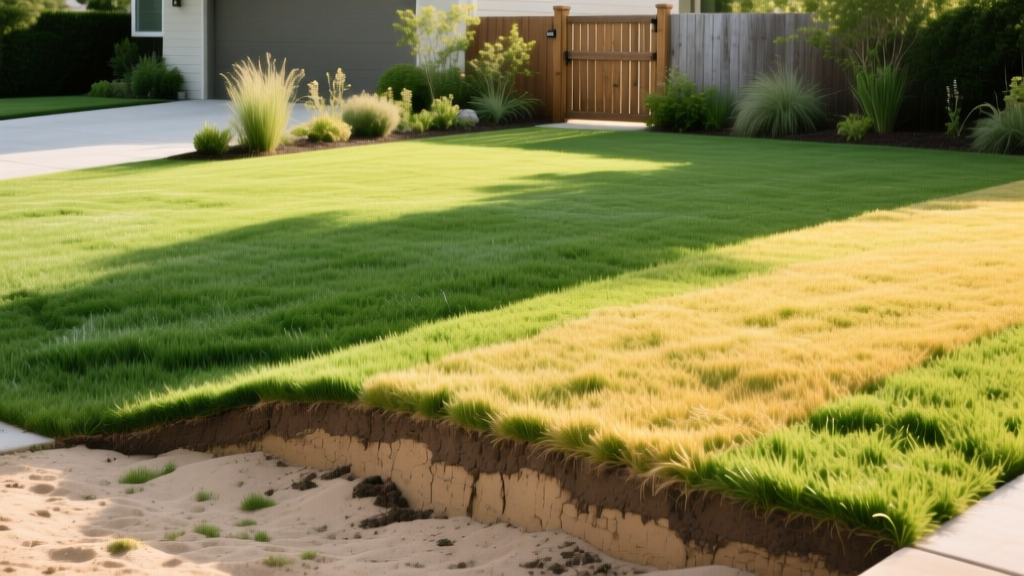
The Ultimate Guide to Matching Grass Types and Soil Profiles
Robert HayesPublished
Every homeowner dreams of a lush, carpet-like lawn, but the secret beneath the surface is often overlooked. Matching your grass type to your native soil profile is the single most important decision you will make in your lawn care journey. Planting a shade-loving, moisture-dependent grass in fast-draining sandy soil, or forcing a delicate turf into heavy, compacted clay, will result in endless frustration, wasted water, and excessive fertilizer use. By understanding your soil texture and selecting the appropriate cool-season or warm-season grass, you can establish a resilient, low-maintenance lawn that thrives year after year.
The Foundation of Turfgrass Health
Soil is not just dirt; it is a complex, living ecosystem composed of minerals, organic matter, water, and air. The physical texture of your soil—defined by the proportion of sand, silt, and clay particles—dictates how well it retains moisture, drains excess water, and holds onto vital nutrients. Turfgrass roots require a delicate balance of oxygen and hydration. When the soil profile is mismatched with the grass species, roots either suffocate in waterlogged conditions or desiccate in drought-prone environments. Understanding this relationship allows you to work with your native environment rather than fighting against it, saving you significant time and money on lawn renovations.
How to Identify Your Soil Type at Home
Before purchasing seed or sod, you must identify your soil texture. While professional laboratories provide exact mineral breakdowns, you can perform a highly accurate DIY assessment using the Mason Jar Test. This simple method separates soil particles by weight and size.
- Step 1: Dig a small sample of soil from your lawn area, about 4 to 6 inches deep, removing any large rocks, roots, or debris.
- Step 2: Fill a clear glass mason jar about one-third full with the soil sample.
- Step 3: Fill the rest of the jar with water, leaving an inch of space at the top. Add a teaspoon of liquid dish soap to help separate the particles.
- Step 4: Secure the lid and shake vigorously for three minutes.
- Step 5: Let the jar sit undisturbed for 24 to 48 hours. The soil will settle into distinct layers: sand at the bottom (largest particles), silt in the middle, and clay at the top (smallest particles).
By measuring the thickness of each layer, you can determine your dominant soil type. For a more precise, localized analysis, the USDA Natural Resources Conservation Service (NRCS) Web Soil Survey provides comprehensive, map-based soil data for nearly all regions in the United States.
The Soil-Grass Matching Matrix
Use the comparison chart below to identify the best turfgrass species for your specific soil profile. This matrix considers both the drainage characteristics of the soil and the root structure of the grass.
| Soil Type | Drainage & Traits | Best Cool-Season Grass | Best Warm-Season Grass | Primary Amendment Need |
|---|---|---|---|---|
| Heavy Clay | Poor drainage, compacts easily, nutrient-rich | Tall Fescue | Zoysia, Bermuda | Gypsum, organic matter, aeration |
| Sandy | Fast drainage, low nutrients, dries quickly | Fine Fescue | Bahia, Centipede | Compost topdressing, biochar |
| Silt | Moderate drainage, fertile, prone to crusting | Kentucky Bluegrass | St. Augustine | Mulching, light aeration |
| Loam | Ideal balance, excellent moisture retention | Perennial Ryegrass, KBG | Bermuda, Zoysia | Routine compost maintenance |
Conquering Heavy Clay Soils
Clay soils are notorious for their poor drainage and tendency to compact under foot traffic, which restricts root growth and oxygen flow. However, clay is naturally rich in essential minerals. The key to success here is selecting grasses with aggressive, deep root systems that can penetrate dense earth. Tall Fescue is the undisputed champion of cool-season clay lawns due to its deep taproots, which can reach up to 3 feet underground to access moisture and break up compacted layers. For warm-season regions, Zoysia and Bermuda grass are excellent choices; their tough, rhizomatous root systems create a dense mat that withstands the surface hardness of clay.
To improve clay soil, avoid adding more sand, which can create a concrete-like texture when mixed with clay. Instead, apply agricultural gypsum at a rate of 40 pounds per 1,000 square feet (costing approximately $12 to $18 per bag). Gypsum helps to flocculate clay particles, improving water infiltration without altering the soil pH. Combine this with annual core aeration and topdressing with organic compost.
Thriving in Sandy Soils
Sandy soils are the exact opposite of clay. The large particle size creates massive pore spaces, resulting in rapid drainage and an inability to hold onto water-soluble nutrients. Turfgrasses planted in sandy soils must be highly drought-tolerant and efficient at scavenging for nutrients. In cool-season climates, Fine Fescues (including creeping red, chewings, and hard fescues) are ideal because they require less water and thrive in the lower fertility levels typical of sandy profiles. For warm-season lawns, Bahia grass and Centipede grass are incredibly resilient in sandy, acidic, and nutrient-poor environments.
Amending sandy soil requires increasing its water-holding capacity. Topdress your lawn with a high-quality, peat-based or manure-based compost. Apply a 1/4-inch layer across the lawn surface in the fall or spring. Expect to spend between $30 and $60 per cubic yard of bulk compost, which will cover approximately 1,000 square feet at a 1/4-inch depth. Furthermore, you will need to fertilize more frequently with slow-release, granular fertilizers to prevent nutrients from leaching past the root zone during heavy rains.
Maximizing Loam and Silt Soils
Loam is the holy grail of soil types, offering a near-perfect 40-40-20 ratio of sand, silt, and clay. It retains moisture while draining adequately, providing an ideal environment for almost any turfgrass. Kentucky Bluegrass (KBG) and Perennial Ryegrass will form a stunning, dense, and dark green cool-season lawn in loamy soils. In the South, Bermuda and St. Augustine will spread rapidly and aggressively. Silt soils, while fertile, can form a hard crust on the surface that impedes seed germination and water penetration. If you have a silty profile, ensure you are leaving grass clippings on the lawn to act as a protective mulch layer, preventing surface crusting and returning vital nitrogen to the soil.
Strategic Soil Amendments and Costs
Even if you choose the perfect grass, native soils often require ongoing management to maintain optimal health. Here is a breakdown of the most effective soil amendment strategies, their applications, and associated costs:
- Core Aeration: Essential for clay and compacted silt soils. Renting a walk-behind aerator costs about $75 to $100 per day, or you can hire a professional service for $150 to $250 per average-sized yard. Perform this annually in the early fall for cool-season grasses, or late spring for warm-season varieties.
- Lime and Sulfur Applications: Soil texture influences pH buffering. Clay soils require more lime to raise pH than sandy soils. According to soil testing guidelines from the Clemson University Cooperative Extension, applying pelletized lime based on a laboratory soil test is crucial for unlocking trapped nutrients. A standard 40-pound bag of lime costs around $5 to $8 and covers 1,000 square feet.
- Liquid Humic Acid: For sandy soils struggling with nutrient retention, liquid humic acid applications (costing $25 to $40 per gallon) can increase the cation exchange capacity (CEC) of the soil, effectively giving sand the nutrient-holding properties of silt.
Expert Tips for Long-Term Soil Health
Building a biologically active soil profile takes time. The microorganisms in your soil—bacteria, fungi, and earthworms—are responsible for breaking down thatch and making nutrients available to your grass roots. Avoid the overuse of synthetic, salt-based fertilizers and broad-spectrum pesticides, which can decimate these beneficial populations.
"A healthy lawn starts with a healthy soil food web. By feeding the soil with organic matter rather than just feeding the plant with synthetic salts, you build a resilient turf that can naturally resist drought, disease, and weed pressure."
To maintain your soil-grass synergy, practice deep and infrequent watering. Applying 1 to 1.5 inches of water per week in a single or double session encourages roots to grow deeper into the soil profile, anchoring the grass and accessing subsurface moisture. Finally, commit to testing your soil every two to three years. A comprehensive soil test costs between $15 and $30 through your local university extension office and removes the guesswork from your fertilization schedule, ensuring your lawn receives exactly what it needs to thrive in its unique environmental niche.