Tree Care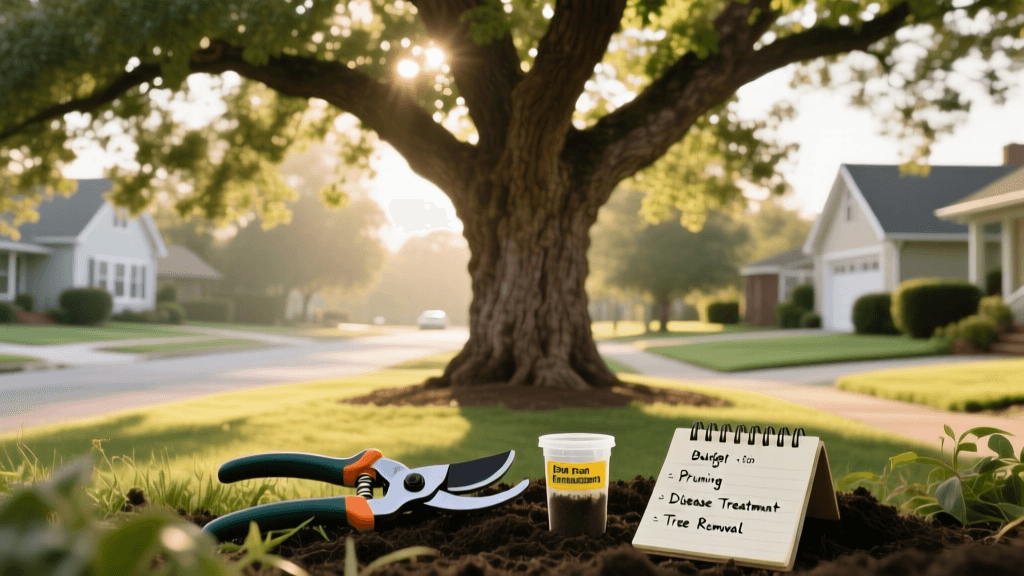
Mature Tree Care Costs: Pruning, Treatment & Removal
The Hidden Financial Value of Landscape Trees
When homeowners think about landscaping budgets, they often focus on lawn maintenance, flower beds, and hardscaping. However, mature landscape trees are among the most valuable living assets on your property. According to the USDA Forest Service, healthy, mature trees can increase property values by up to 15 percent while simultaneously reducing summer cooling costs by shading your home. Despite this immense financial and ecological value, tree care is frequently underfunded until a crisis occurs. Budgeting for proactive tree maintenance is not just an aesthetic choice; it is a critical home preservation strategy. Neglecting routine care can lead to catastrophic storm damage, expensive emergency removals, and the spread of fatal diseases to neighboring trees. This comprehensive cost and budgeting guide will break down the exact expenses associated with mature tree care, from routine pruning to advanced disease treatments, helping you allocate your landscaping dollars effectively.
Routine Pruning and Canopy Management Costs
Pruning is the most common and essential tree maintenance service. Proper pruning, performed according to ANSI A300 standards, removes deadwood, improves structural integrity, and allows for better air circulation, which reduces fungal disease pressure. The cost of pruning is heavily dependent on the tree's size, species, and proximity to structures or power lines.
Small to Medium Trees (Under 30 Feet)
For ornamental trees like Japanese Maples, Dogwoods, or Redbuds, pruning is generally straightforward and requires basic hand tools and pole saws. Expect to pay between $150 and $350 per tree for a professional pruning session. This price typically includes cleanup and chipping of the brush. If you are pruning fruit trees, such as apple or cherry trees, specialized pruning to encourage fruiting spurs may push the cost toward the higher end of that spectrum due to the meticulous detail required.
Large and Mature Trees (Over 30 Feet)
Canopy management for large shade trees like Oaks, Maples, and Ashes requires heavy equipment, climbing gear, and highly trained arborists. Crown thinning, crown raising (to clear roofs and driveways), and deadwooding large mature trees typically cost between $500 and $1,500 per tree. If the tree is located in a confined backyard where a bucket truck cannot access it, arborists must climb the tree and rig the branches down using ropes and pulleys. This technical rigging increases labor time and can add 20% to 30% to the final invoice. Always ensure the company you hire employs an ISA Certified Arborist and carries comprehensive liability and workers' compensation insurance.
Proactive Health Treatments and Soil Care
The urban environment is inherently stressful for trees. Compacted soil, construction damage, and competition from turfgrass for water and nutrients can lead to a slow decline in tree health. Investing in soil care and targeted treatments is often much cheaper than dealing with the consequences of a dying tree.
Deep Root Fertilization and Soil Aeration
Standard lawn fertilizers do not penetrate deeply enough to reach the feeder roots of mature trees, which typically reside in the top 12 to 18 inches of soil. Deep root fertilization involves injecting a liquid blend of slow-release nitrogen, essential micronutrients, and sometimes mycorrhizal fungi inoculants directly into the root zone under high pressure. This process also helps alleviate minor soil compaction. The average cost for deep root fertilization is $0.25 to $0.50 per square foot of the tree's dripline (the area from the trunk to the edge of the canopy). For a large oak tree with a 40-foot canopy spread, expect to pay between $150 and $300 per treatment. This is recommended every 1 to 2 years in poor soil conditions.
Trunk Injections for Pests and Diseases
When dealing with devastating pests like the Emerald Ash Borer (EAB) or diseases like Oak Wilt, topical sprays are largely ineffective. Instead, arborists utilize trunk injection systems, such as the ArborJet QUIK-jet or TREE I.V. systems. The most common active ingredient for EAB is emamectin benzoate (often sold under the brand name TREE-äge). The cost for this treatment is typically calculated by the diameter at breast height (DBH). Expect to pay between $10 and $15 per inch of trunk diameter. For a mature ash tree with a 20-inch DBH, the bi-annual treatment will cost between $200 and $300. While this may seem steep, it is significantly cheaper than the $1,500 to $3,000 required to safely remove and replace a dead, brittle ash tree that poses a hazard to your home.
The Cost of Tree Removal and Stump Grinding
Sometimes, despite our best efforts and budgets, a tree must be removed. Whether due to irreversible decay, root rot (like Armillaria), or severe storm damage, tree removal is one of the most expensive landscaping services. Planned removals are significantly cheaper than emergency storm damage removals, which often carry a 20% to 50% premium due to the hazardous nature of tension-loaded, broken limbs.
For a medium-sized tree (30 to 60 feet), planned removal costs between $800 and $1,500. Large trees over 60 feet, especially those requiring crane-assisted removal to protect underlying structures, can cost anywhere from $2,000 to $5,000 or more. Stump grinding is usually billed separately and is calculated by the diameter of the stump. The national average for stump grinding is $3 to $5 per inch of diameter. A 30-inch stump will cost roughly $90 to $150 to grind down to 6 inches below grade, allowing for replanting or sodding.
Comprehensive Tree Care Cost Comparison Table
To help you plan your annual landscaping budget, review the structured cost comparison chart below. These averages reflect national pricing and may vary based on your local cost of living and regional tree species.
| Service Type | Recommended Frequency | Average Cost Range | Primary Cost Factors |
|---|---|---|---|
| Small Tree Pruning (Under 30ft) | Every 2-3 Years | $150 - $350 | Canopy density, species, access |
| Large Tree Pruning (Over 30ft) | Every 3-5 Years | $500 - $1,500 | Height, rigging requirements, hazards |
| Deep Root Fertilization | Every 1-2 Years | $150 - $300 | Dripline square footage, soil condition |
| Trunk Injections (Pest/Disease) | Every 1-2 Years | $10 - $15 per DBH inch | Trunk diameter, chemical used |
| Planned Tree Removal | As Needed | $800 - $3,500+ | Tree size, crane access, proximity to home |
| Stump Grinding | Post-Removal | $3 - $5 per inch | Stump diameter, root flare size |
Seasonal Budgeting Schedule for Homeowners
Spreading your tree care expenses throughout the year can ease the burden on your household budget. Here is a seasonal scheduling guide to optimize both tree health and your wallet.
- Spring (March - May): Budget for disease prevention. This is the time for fungicide treatments (like Propiconazole for Anthracnose or Apple Scab) and early pest management. Cost: $150 - $400.
- Summer (June - August): Focus on irrigation and storm prep. While watering is a DIY cost (water bill), summer is ideal for deadwooding large trees to prevent summer storm damage. Cost: $300 - $800 for hazard reduction pruning.
- Fall (September - November): Invest in soil health. Deep root fertilization and soil aeration are best performed in the fall when trees are storing carbohydrates in their roots for the winter. Cost: $150 - $300.
- Winter (December - February): Schedule structural pruning. With the leaves gone, arborists can clearly see structural defects, and the frozen ground protects your lawn from heavy equipment damage. Winter is often the off-season, meaning you may secure a 10% discount. Cost: $500 - $1,500.
DIY Maintenance vs. Hiring an ISA Certified Arborist
Not every tree care task requires a professional crew. Homeowners can save hundreds of dollars annually by handling specific cultural practices themselves, provided they follow industry best practices.
The 3-3-3 Mulching Rule (DIY)
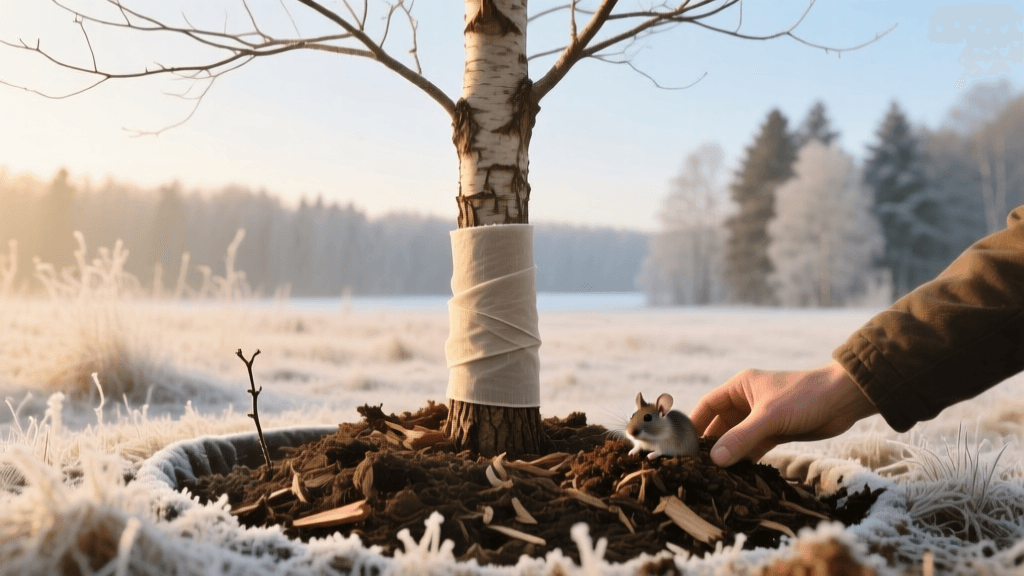
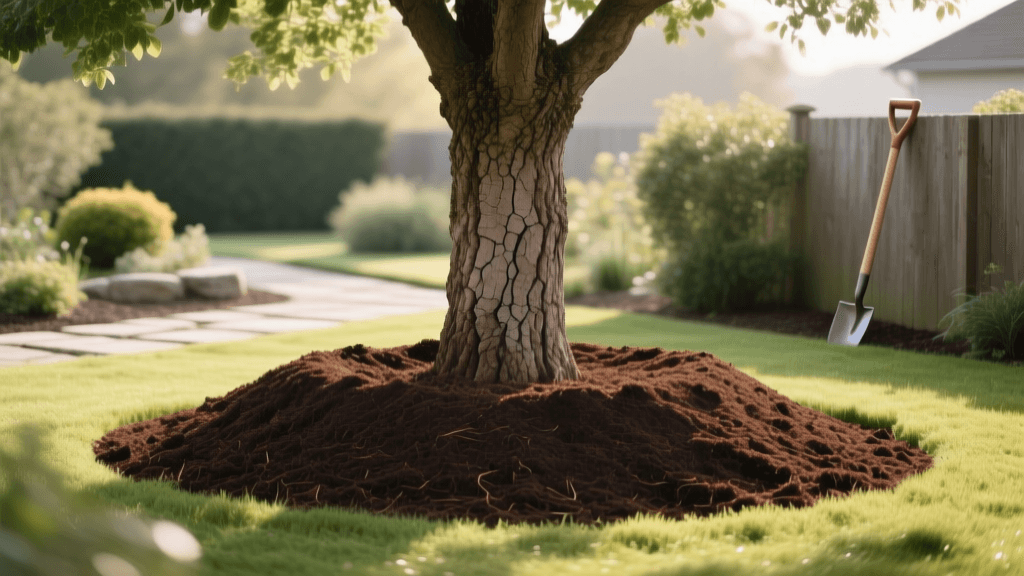
Mulching is the single most beneficial thing a homeowner can do for a tree. It retains moisture, moderates soil temperature, and prevents lawnmower damage to the trunk. Purchase high-quality, double-shredded hardwood mulch and apply it using the 3-3-3 rule: 3 inches deep, in a 3-foot radius (minimum) around the trunk, and kept 3 inches away from the actual bark to prevent rot and rodent damage. A cubic yard of bulk mulch costs about $30 to $50 and is enough to treat several mature trees. Avoid 'volcano mulching,' which suffocates roots and invites fatal fungal pathogens.
Proper Deep Watering (DIY)
Trees require significantly more water than your turfgrass. During drought periods, use a soaker hose or a slow-drip sprinkler to apply 10 to 15 gallons of water per inch of trunk diameter once a week. This costs only pennies on your water bill but prevents the thousands of dollars in decline and dieback associated with severe drought stress.
When to Call the Professionals
Any pruning that requires a ladder, chainsaw use above shoulder height, or work within 10 feet of utility lines must be left to professionals. The risk of personal injury or property damage is simply too high. Furthermore, diagnosing complex soil-borne diseases like Phytophthora root rot or structural decay requires the trained eye of an ISA Certified Arborist.
'Investing in proactive tree maintenance costs a fraction of emergency removal and landscape restoration. A well-maintained tree is a safe tree, and a safe tree protects your greatest financial asset: your home.'
— Adapted from guidelines published by the Purdue University Extension and the International Society of Arboriculture (ISA).
Final Thoughts on Tree Care Budgeting
Budgeting for mature tree care requires a shift in perspective from reactive spending to proactive investment. By setting aside $300 to $500 annually per large tree for routine pruning, soil care, and health assessments, you can extend the lifespan of your landscape trees by decades. Always request detailed, itemized estimates from at least three local tree care companies, verify their ISA credentials, and never hire uninsured 'door-knockers' offering cheap storm-chasing services. Your trees are a living, breathing part of your home's infrastructure; treat their maintenance with the same financial respect you would give to your roof or HVAC system.