Gardening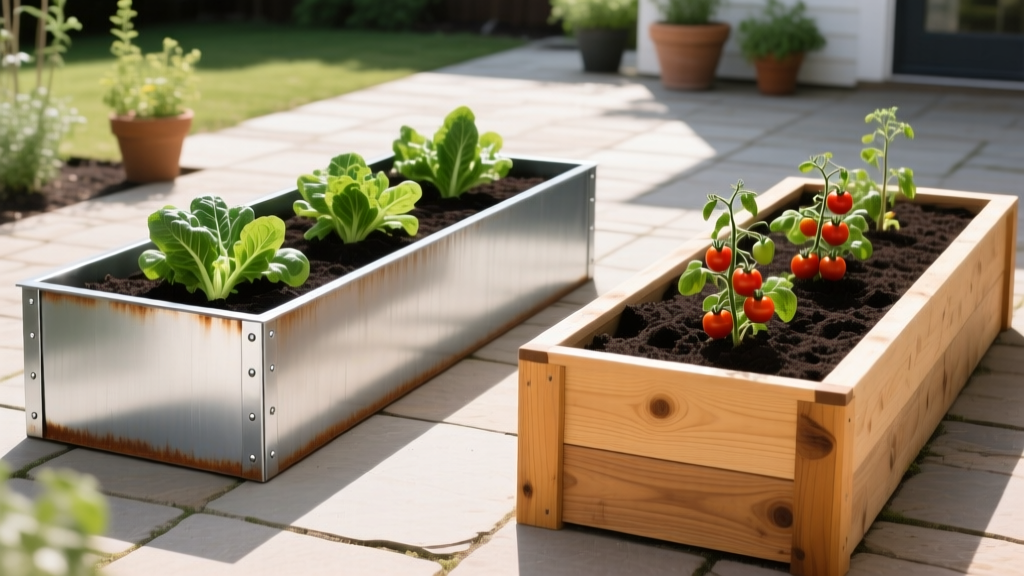
Metal vs Cedar Raised Garden Beds: Which Kit is Best?
Anna KowalskiPublished
The Great Debate: Metal vs. Cedar Raised Beds
Raised bed gardening has fundamentally transformed how homeowners approach vegetable and flower cultivation. By elevating the soil, gardeners gain superior control over drainage, soil composition, and weed management. However, when it comes to purchasing a raised bed kit, the market is heavily divided between two premium materials: galvanized or Aluzinc metal, and natural Western Red Cedar. Choosing the right material is not just an aesthetic decision; it impacts soil temperature, longevity, assembly time, and long-term costs.
In this comprehensive product review and comparison, we will break down the leading metal and cedar raised bed kits on the market. We will examine specific brands like Vego Garden and Gronomics, analyze the science of soil temperature, and help you determine which material offers the best return on investment for your specific climate and gardening goals.
Aluzinc Metal Raised Beds: The Modern Heavyweight
Over the last five years, metal raised beds have surged in popularity, largely driven by innovative brands like Vego Garden and Birdies Garden Products. Unlike older galvanized steel that was prone to rusting and zinc leaching, modern premium kits use Aluzinc steel—a coating composed of aluminum, zinc, and silicon that offers exceptional corrosion resistance.
Pros of Metal Raised Bed Kits
- Unmatched Longevity: High-quality Aluzinc beds boast a lifespan of 20 to 30 years. They will not rot, warp, or succumb to termite damage.
- Ergonomic Depths: Metal kits frequently come in modular, taller configurations (17 to 32 inches). A 17-inch depth is ideal for deep-rooted crops like carrots and parsnips, while also saving your back from excessive bending.
- Modular Flexibility: Brands like Vego Garden use modular panels, allowing you to configure a single kit into a 4x8 rectangle, a 2x10 narrow bed, or an L-shape to fit corner spaces.
- Pest Resistance: Metal creates an impenetrable barrier against burrowing pests like gophers and moles when paired with a simple hardware cloth base.
Cons of Metal Raised Bed Kits
- Sharp Edges: While modern kits include rubber safety edging, the assembly process requires handling sharp steel panels. Heavy gloves are mandatory during construction.
- Aesthetic Limitations: While the sleek, industrial look appeals to many, it may clash with traditional, rustic, or English cottage garden designs.
Western Red Cedar Raised Beds: The Classic Standard
For decades, Western Red Cedar has been the gold standard for raised bed construction. Brands like Gronomics and Greenes Fence offer pre-cut, easy-to-assemble cedar kits that appeal to the traditionalist gardener. Cedar contains natural oils (thujaplicins) that act as built-in preservatives, making the wood highly resistant to rot, decay, and insect infestations without the need for chemical treatments.
Pros of Cedar Raised Bed Kits
- Natural Insulation: Wood is a natural insulator. Cedar walls protect plant roots from extreme temperature fluctuations, keeping the soil cooler in the peak of summer and warmer during sudden spring frosts.
- Timeless Aesthetics: Cedar weathers beautifully from a warm honey-blonde to a distinguished silvery-gray, blending seamlessly into natural landscapes and traditional garden designs.
- Easy Customization: Wood is easy to modify. If you want to add a trellis, attach a cold frame, or screw in a side-table for your gardening tools, cedar accommodates standard wood screws and brackets effortlessly.
Cons of Cedar Raised Bed Kits
- Limited Lifespan: Even with its natural rot resistance, cedar in constant contact with moist soil will eventually decompose. Expect a lifespan of 10 to 15 years, depending on your climate and drainage.
- Shallower Standard Depths: Most standard cedar kits are 10 to 11 inches tall. While sufficient for leafy greens and herbs, this depth restricts taproot vegetables unless you double-stack the kits, which significantly increases the cost.
Head-to-Head Comparison Chart
To visualize the differences, we compared a standard 4x8-foot Aluzinc metal kit (17 inches tall) against a standard 4x8-foot Western Red Cedar kit (11 inches tall).
| Feature | Aluzinc Metal Kit (17" Tall) | Western Red Cedar Kit (11" Tall) |
|---|---|---|
| Estimated Lifespan | 20+ years | 10 to 15 years |
| Average Cost (4x8 ft) | $180 - $240 | $250 - $320 |
| Soil Volume Required | ~45 cubic feet | ~29 cubic feet |
| Assembly Time | 45 - 60 minutes (bolting) | 30 - 45 minutes (screwing) |
| Soil Temperature Impact | Reflects heat; cooler soil in summer | Insulates; stable root temperatures |
| Maintenance | Virtually zero | Optional annual oiling to retain color |
Soil Temperature, Drainage, and Plant Health
The material of your raised bed directly influences the microclimate of your soil. According to research highlighted by Oregon State University Extension, soil temperature and drainage are paramount for root development and microbial activity.
Metal Beds and Heat Reflection: Aluzinc steel is highly reflective. In the heat of summer, the shiny metal bounces solar radiation away from the bed, preventing the soil from baking. This keeps the root zones of heat-sensitive crops like lettuce, spinach, and broccoli significantly cooler than they would be in dark wood or black plastic beds. However, in early spring, metal beds may take slightly longer to warm up compared to dark, heat-absorbing wood.
Cedar Beds and Insulation: Wood acts as a thermal buffer. The thick cedar planks prevent rapid heat transfer. This insulation is highly beneficial in regions with erratic spring weather, where a sudden overnight freeze could damage tender tomato or pepper transplants. Furthermore, as noted by Penn State Extension, the structural integrity of wood allows for easy integration of French drains or gravel trenches at the base if your native soil suffers from heavy clay compaction.
"Proper drainage and adequate soil volume are the most critical factors in raised bed success. A deeper bed allows for better root expansion and reduces the frequency of watering, regardless of the exterior material you choose."
Safety and Soil Chemistry: Debunking the Metal Myth
A frequent concern among organic gardeners is whether metal beds will leach harmful chemicals into the soil. It is crucial to distinguish between old, pressure-treated lumber (which historically contained Chromated Copper Arsenate, or CCA) and modern Aluzinc steel.
Aluzinc is coated with a mixture of aluminum, zinc, and silicon. Zinc is actually an essential micronutrient required for plant growth and human health. While extremely acidic soils (pH below 5.0) can theoretically cause minor zinc leaching, the amounts are negligible and generally beneficial rather than toxic. To ensure complete safety and extend the life of the metal, many gardeners line the interior walls with heavy-duty landscape fabric or food-safe polyethylene, creating a physical barrier between the soil and the metal.
Cedar, being a natural, untreated wood, is inherently safe for organic gardening. However, you must ensure that the cedar kit you purchase is truly untreated. Some cheaper 'cedar-stained' pine kits use chemical stains that are not safe for edible crops. Always verify that the wood is raw, kiln-dried Western Red Cedar.
Cost Analysis and Long-Term Value
At first glance, metal beds appear to be the more budget-friendly option. A high-quality 4x8 Aluzinc kit typically retails between $180 and $240. In contrast, a comparable 4x8 Western Red Cedar kit often costs between $250 and $320. Why is the traditional wood more expensive? The rising cost of sustainably harvested timber and the milling required to create interlocking corner joints drive up the price of premium cedar kits.
However, the hidden cost lies in soil volume. Because metal beds are frequently sold in 17-inch or 24-inch depths to maximize ergonomics, they require significantly more soil to fill. Filling a 17-inch deep 4x8 bed requires roughly 45 cubic feet of soil. If you are buying bagged premium raised bed mix at $10 per 1.5 cubic foot bag, you will spend approximately $300 just on soil. A shallower 11-inch cedar bed requires only about 29 cubic feet, saving you roughly $100 on your initial soil investment.
For actionable advice on soil mixing, The Old Farmer's Almanac recommends a blend of 50% high-quality topsoil, 30% compost, and 20% organic matter like coco coir or peat moss to ensure adequate aeration and moisture retention in deep beds.
Assembly: Bolts vs. Screws
Assembly is a vital consideration for gardeners who may be working solo. Metal kits utilize a nut-and-bolt system. You will need to align multiple pre-drilled holes across modular panels and tighten dozens of bolts using a wrench or socket drill attachment. It is a two-person job that requires patience and a level surface to ensure the bed does not rack or twist during tightening.
Cedar kits, particularly those from brands like Gronomics, often feature brilliant tool-free or minimal-tool designs. Many use interlocking corner brackets or pre-drilled pilot holes that only require a standard power drill and a Phillips-head bit. A single gardener can easily assemble a standard cedar kit in under 45 minutes.
Final Verdict: Which Should You Buy?
The choice between metal and cedar ultimately depends on your physical needs, garden aesthetic, and long-term plans.
Choose Aluzinc Metal Kits if: You want a permanent, 'buy-it-for-life' garden structure. Metal is the undisputed winner for gardeners who suffer from back or knee pain, as the taller 17-to-32-inch profiles drastically reduce bending. It is also the best choice for areas with high termite activity or where you plan to grow deep-rooted crops like daikon radishes and long carrots.
Choose Western Red Cedar Kits if: You prioritize a natural, traditional aesthetic that blends into wooded or cottage-style landscapes. Cedar is also the superior choice for gardeners in regions with extreme, erratic temperature swings, thanks to its natural insulating properties. If you enjoy modifying your garden with custom trellises, cold frames, and attached benches, the workability of wood cannot be beaten.
Both materials represent a massive upgrade over ground-level planting or cheap, chemical-laden pressure-treated lumber. By selecting the right kit for your specific microclimate and physical needs, you are setting the foundation for decades of bountiful harvests.
