
Landscaping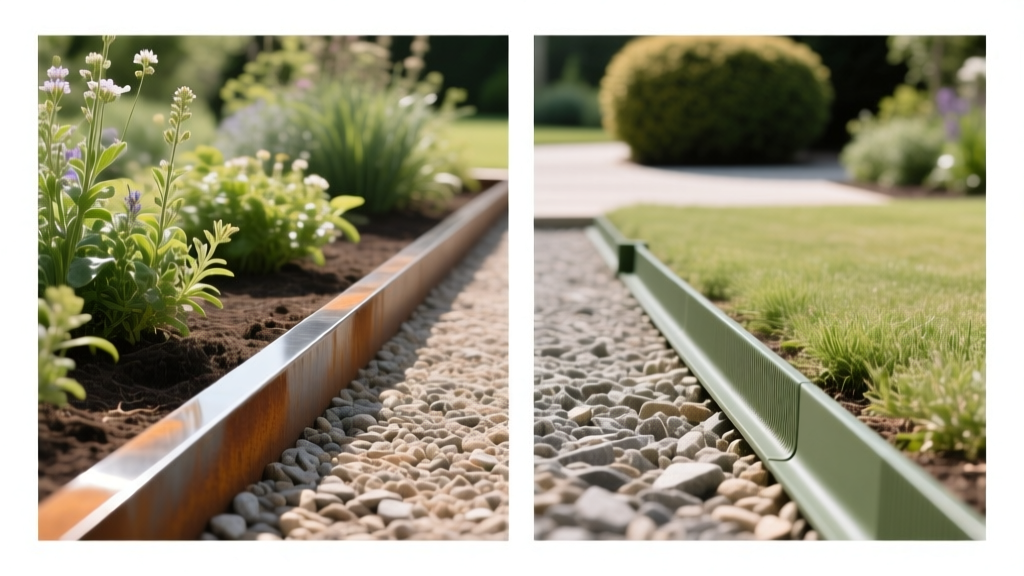
Metal vs Plastic Landscape Edging: Pros, Cons & Costs
Sarah ChenPublished
The Great Border Debate: Defining Your Landscape Lines
Creating a crisp, defined boundary between your lush turfgrass and meticulously mulched garden beds is one of the most impactful landscaping upgrades you can make. Proper landscape edging serves multiple vital functions: it prevents aggressive grass rhizomes from invading your flower beds, keeps mulch and soil from washing onto your lawn during heavy rains, and provides a clean, professional aesthetic that instantly boosts curb appeal. However, when it comes to selecting the right material, homeowners and landscaping professionals generally narrow their choices down to two primary contenders: metal landscape edging and plastic landscape edging.
Both materials offer distinct advantages, but they also come with unique drawbacks regarding longevity, installation difficulty, and overall cost. In this comprehensive product comparison, we will break down the physical properties, installation realities, and long-term value of metal versus plastic edging to help you make an informed decision for your outdoor space.
Metal Landscape Edging: The Premium, Permanent Solution
Metal edging, typically manufactured from galvanized steel, Corten (weathering) steel, or aluminum, is widely considered the gold standard in professional landscape design. It is favored for its ability to create nearly invisible, razor-sharp lines that allow the beauty of the plants and turf to take center stage without a bulky border distracting the eye.
Pros of Metal Edging
- Unmatched Durability: Steel edging can easily last 20 to 40 years. It will not crack, warp, or degrade under UV exposure.
- Superior Root Barrier: Because metal panels are rigid and slide deep into the soil, they form an impenetrable wall against invasive grasses like Bermuda or Zoysia.
- Aesthetic Appeal: The top edge is incredibly thin, creating a sleek, modern look. Corten steel also develops a beautiful, protective rust patina over time that blends naturally with garden soils.
- Frost Heave Resistance: When properly staked, metal edging is heavy and rigid enough to resist the upward push of freezing and thawing soil cycles.
Cons of Metal Edging
- Higher Initial Cost: Metal is significantly more expensive per linear foot than plastic alternatives.
- Installation Difficulty: Steel is heavy and difficult to cut. You will need an angle grinder or heavy-duty bolt cutters, and bending it around tight curves requires specialized rollers or significant manual leverage.
- Safety Hazards: The top edge of steel edging can be sharp, posing a risk to bare feet or playing children if not installed slightly below the soil grade.
Plastic Landscape Edging: The Flexible, Budget-Friendly Alternative
Plastic edging, usually made from high-density polyethylene (HDPE) or recycled composite plastics, is the most common choice for DIY homeowners. It is typically sold in long, flexible coils that can be easily unrolled and shaped around curved garden beds, tree rings, and winding pathways.
Pros of Plastic Edging
- Affordability: Plastic edging is incredibly budget-friendly, often costing a fraction of the price of steel or aluminum.
- Ease of Installation: The material is lightweight and can be easily cut with standard heavy-duty garden shears or a utility knife. Its flexibility makes forming smooth, sweeping curves effortless.
- Safety: The rounded, thicker top lip of plastic edging is safe for bare feet and won't cause lacerations.
Cons of Plastic Edging
- UV Degradation: Even with UV inhibitors, prolonged sun exposure will eventually cause plastic to become brittle, crack, and fade over a 5 to 10-year lifespan.
- Vulnerability to Frost Heave: In climates with freezing winters, the freeze-thaw cycle frequently pushes plastic edging out of the ground, requiring annual re-staking and hammering back into place.
- Visual Bulk: To maintain structural integrity, plastic edging requires a thicker top lip, which can create a visually heavy and somewhat artificial-looking border.
Head-to-Head Comparison: Metal vs. Plastic Edging
To visualize how these two materials stack up against one another across critical landscaping metrics, review the comparison chart below:
| Feature | Metal Edging (Steel/Aluminum) | Plastic Edging (HDPE) |
|---|---|---|
| Material Cost | $4.00 - $8.00 per linear ft. | $1.00 - $3.00 per linear ft. |
| Expected Lifespan | 20 - 40+ Years | 5 - 10 Years |
| Flexibility | Low (Requires bending tools for curves) | High (Easily coils and bends) |
| Installation Difficulty | High (Trenching, heavy staking, cutting) | Low (Simple trenching, easy cutting) |
| Aesthetic Profile | Sleek, nearly invisible, professional | Bulky top lip, visible border |
| Maintenance Needs | Very Low | Moderate (Re-staking after winter) |
Step-by-Step Installation Realities
Regardless of the material you choose, proper installation is the difference between a border that lasts decades and one that fails in a single season. Landscape design principles emphasize the use of clean lines and durable hardscaping materials to reduce long-term maintenance, a concept heavily supported by the University of Minnesota Extension's landscape design guidelines. Here is what the installation process actually entails.
Trenching and Preparation
Never attempt to simply push edging into existing soil. You must dig a dedicated trench. Use a half-moon edger or a flat trenching shovel to dig a trench that is 6 inches deep and 2 inches wide. This depth ensures that the edging sits deep enough to block grass roots while allowing the top edge to sit just below the mower blade height, preventing accidental scalping.
Staking and Securing
For metal edging, you will use 18-inch steel stakes. Drive these stakes through the pre-punched holes in the metal panels at a 45-degree angle, leaning away from the garden bed and toward the lawn. This angle uses the tension of the soil to lock the panel tightly against the earth. Overlap metal joints by at least 6 inches and bolt them together to prevent grass from sneaking through the seams.
For plastic edging, use the provided 8-inch to 10-inch plastic or steel spikes. Place a spike every 3 to 4 feet, and always place a spike on both sides of any joint or curve to prevent the material from bowing outward under the pressure of heavy mulch.
Pro Tip: Always backfill the trench with native soil and tamp it down firmly with a hand tamper or the flat end of a digging bar. Leaving air pockets around the base of your edging guarantees that water will pool, freeze, and heave the material out of the ground.
Cost Analysis: A 100-Foot Project Breakdown
To understand the true financial impact, let us break down the material costs for a standard 100-linear-foot garden bed border. Note that these estimates cover materials only and do not include professional labor, which typically adds $5 to $10 per linear foot depending on soil conditions.
- Metal Edging Project (100 ft): You will need roughly five 8-foot panels of commercial-grade steel ($45 each), heavy-duty steel stakes ($40), and joint connectors ($15). Total Material Cost: ~$280.
- Plastic Edging Project (100 ft): You will need two 60-foot coils of premium HDPE edging ($35 each) and a box of heavy-duty landscape spikes ($20). Total Material Cost: ~$90.
While plastic saves you nearly $200 upfront, the metal edging will likely outlive three separate replacements of the plastic edging, making metal the superior long-term investment for permanent landscapes.
Sustainability and Environmental Impact
When planning sustainable outdoor spaces, material lifecycle matters. According to the EPA's WaterSense landscaping program, well-defined beds help retain mulch and soil moisture, reducing overall water consumption. However, the materials used to define those beds also carry an environmental footprint.
Metal edging, particularly steel and aluminum, is infinitely recyclable. At the end of its multi-decade lifespan, it can be scrapped and repurposed without losing structural integrity. Conversely, while some plastic edging is manufactured from recycled HDPE, the UV degradation process means it is rarely recyclable once removed from the ground, often ending up in landfills. If sustainability is a core pillar of your landscaping philosophy, metal is the definitively greener choice over the long term.
Final Verdict: Which Edging Should You Install?
The choice between metal and plastic landscape edging ultimately depends on your budget, the layout of your garden, and your long-term goals for the property.
Choose Metal Edging if: You are building permanent garden beds, dealing with highly invasive turfgrass, designing modern landscapes with straight lines, or want a 'install it and forget it' solution that will last for decades without annual maintenance.
Choose Plastic Edging if: You are working on a tight budget, designing intricate, tightly wound curves around existing trees, renting the property, or need a quick, weekend DIY fix that requires minimal specialized tools.
By weighing the upfront costs against the long-term durability and aesthetic benefits, you can select the perfect border to keep your lawn and garden beds looking pristine for years to come.

