
Landscaping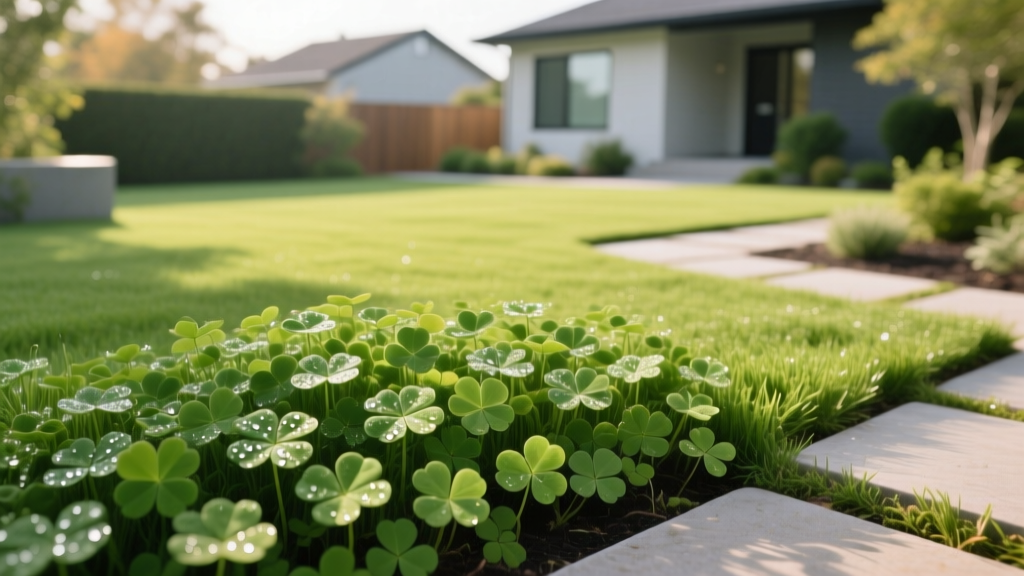
Micro-Clover Lawns: The Viral Eco-Friendly Landscaping Trend
Mike RodriguezPublished
The Rise of the Viral Micro-Clover Lawn
If you have spent any time scrolling through TikTok, Instagram, or Pinterest recently, you have likely noticed a massive shift in landscaping trends. The traditional American dream of a flawless, carpet-like Kentucky Bluegrass lawn is being rapidly replaced by a greener, more sustainable alternative: the micro-clover lawn. Hashtags like #CloverLawn and #EcoFriendlyLandscaping are generating millions of views as homeowners look for ways to reduce water usage, eliminate chemical fertilizers, and support local pollinators.
The modern landscaping movement is heavily focused on sustainability and low-maintenance outdoor living spaces. Homeowners are realizing that traditional turfgrass requires immense amounts of water, weekly mowing, and synthetic nitrogen fertilizers to maintain that coveted curb appeal. Enter micro-clover, a drought-tolerant, nitrogen-fixing groundcover that stays green even during the peak of summer heat. But before you grab a shovel and rip up your existing sod, it is crucial to understand the botanical realities, planting requirements, and maintenance realities of this viral landscaping trend.
What Exactly is Micro-Clover?
Micro-clover, scientifically known as Trifolium repens var. Pipolina, is a specially bred variety of white clover. It was originally developed in Europe as a low-maintenance, eco-friendly alternative to traditional turfgrass. Unlike its larger cousin, Dutch White Clover, which can grow up to eight inches tall and produces large, aggressive flowers, micro-clover features much smaller leaves, grows densely, and produces far fewer blooms.
One of the most significant ecological benefits of micro-clover is its ability to fix atmospheric nitrogen. According to the University of Minnesota Extension, clover forms a symbiotic relationship with Rhizobium bacteria in the soil, pulling nitrogen from the air and converting it into a usable form for the plant. This means a pure micro-clover lawn requires zero synthetic nitrogen fertilizers, saving you money and preventing chemical runoff into local watersheds.
Micro-Clover vs. Traditional Turfgrass
To understand why this trend is exploding across social media, it helps to compare the practical metrics of micro-clover against standard Kentucky Bluegrass. Below is a structured comparison of the two most popular lawn choices for modern landscaping projects.
| Landscaping Feature | Micro-Clover (Pipolina) | Kentucky Bluegrass |
|---|---|---|
| Water Requirements | Low (Highly drought-tolerant) | High (1 to 1.5 inches per week) |
| Fertilizer Needs | None (Fixes own nitrogen) | High (Requires 2-4 lbs N/1000 sq ft/year) |
| Mowing Frequency | Low (Every 2-3 weeks at 3 inches) | High (Weekly during growing season) |
| Seed Cost (per 1,000 sq ft) | $15 - $25 (Premium coated seed) | $5 - $10 (Standard turf seed) |
| Pollinator Support | Excellent (Attracts native bees) | None (Ecological dead zone) |
| Wear Tolerance | Moderate (Recovers quickly) | High (Excellent for heavy foot traffic) |
As the EPA WaterSense program highlights, outdoor water use accounts for nearly 30% of total household water consumption in the United States. By transitioning to drought-tolerant groundcovers like micro-clover, homeowners can drastically reduce their water bills while maintaining a lush, green landscape.
Step-by-Step Guide to Planting Your Clover Lawn
Timing and Soil Preparation
Timing is everything when establishing a new landscape bed or lawn. The best time to plant micro-clover is in the early fall (late August to October) or early spring (April to May). Fall planting is generally preferred because the soil is still warm, which encourages rapid germination, and the cooler air temperatures reduce heat stress on young seedlings.
Before seeding, you must prepare the soil. Micro-clover thrives in soil with a pH between 6.0 and 7.0. Conduct a soil test and amend with lime if your soil is too acidic. If you are starting from scratch, till the top two inches of soil, rake it completely smooth, and roll it flat to create a firm seedbed. Clover seeds are incredibly tiny and need direct soil contact to germinate; they will fail if buried too deeply.
Seeding Rates and Product Recommendations
For a pure micro-clover stand, the recommended seeding rate is 1 to 2 pounds per 1,000 square feet. Because the seeds are so small, it is highly recommended to mix the seed with dry sand or fine compost to ensure even distribution across your yard. Top viral landscaping products include Outsidepride Miniclover and Pennington Dutch White Clover (though true Pipolina micro-clover is preferred for its smaller leaf structure). Expect to pay between $30 and $45 per pound for high-quality, pelleted micro-clover seed.
After broadcasting the seed, lightly rake the area so the seeds are barely covered (no more than 1/8 inch deep), and roll the area with a lawn roller. Keep the top inch of soil consistently moist for the first 10 to 14 days until germination occurs.
Overseeding: Mixing Clover with Existing Grass
Not ready to kill your existing lawn? One of the most popular viral landscaping tips is overseeding your current turf with micro-clover to create a mixed eco-lawn. A mixed lawn provides the high wear-tolerance of traditional grass with the drought-resistance and nitrogen-fixing benefits of clover.
To overseed, mow your existing grass as short as possible (around 1.5 inches) and use a power rake or dethatcher to open up the soil canopy. Broadcast the micro-clover seed at a lighter rate of about 0.5 to 1 pound per 1,000 square feet. Water daily until the clover establishes. Over time, the clover will naturally feed the surrounding grass, reducing your overall fertilizer requirements by up to 50%.
Maintenance Tips for a Lush Clover Lawn
While micro-clover is heavily marketed as a 'no-mow' lawn, this is a slight exaggeration. To maintain a neat, manicured appearance that satisfies neighborhood HOAs and curb appeal standards, you should still mow it. Set your mower deck to 2.5 or 3 inches. Mowing every few weeks during the peak summer growing season encourages the clover to spread laterally, creating a dense, carpet-like mat that naturally chokes out broadleaf weeds.
Because clover fixes its own nitrogen, applying standard high-nitrogen lawn fertilizers will actually harm the clover and encourage aggressive grassy weeds to take over. If your clover looks pale or stunted, it usually indicates a phosphorus or potassium deficiency, or a soil pH issue, rather than a lack of nitrogen.
Viral Myths vs. Landscaping Facts
- Myth: Clover lawns will attract swarms of aggressive bees and make your yard unusable.
Fact: Micro-clover produces very few flowers compared to Dutch White Clover, especially when mowed regularly. Furthermore, the University of Maryland Extension notes that clover supports vital native pollinators without posing a significant stinging hazard unless you walk barefoot directly on blooming patches. - Myth: Clover will take over and kill your garden beds.
Fact: Micro-clover is not an aggressive, creeping vine like ivy or bindweed. It spreads via shallow stolons and is easily contained with standard landscape edging or a string trimmer. - Myth: Clover turns brown and dies in the winter.
Fact: Micro-clover is a perennial in USDA Hardiness Zones 3 through 10. While it may go dormant and lose some color in freezing northern winters, its deep taproot system ensures it will green up beautifully early in the spring, often weeks before traditional turfgrass.
Drawbacks to Consider Before Going Viral
Despite the overwhelming eco-benefits, micro-clover is not a perfect solution for every landscape design. First, clover leaves are more delicate than grass blades and can stain clothing if you kneel on them or if children play on them while the foliage is wet. Second, clover does not handle heavy, concentrated foot traffic (like a daily soccer game) as well as a deep-rooted Tall Fescue or Bermuda grass. For high-traffic play areas, a mixed eco-lawn is a much better design choice.
Finally, if you use broadleaf herbicides to control dandelions or thistle in your yard, you will kill your micro-clover. A pure clover lawn requires a shift in mindset: you must accept a slightly more natural, biodiverse landscape rather than a sterile, chemically manicured monoculture. By embracing this viral landscaping trend, you are not just upgrading your curb appeal; you are actively participating in sustainable land management, conserving water, and creating a thriving micro-habitat right in your own front yard.

