
Landscaping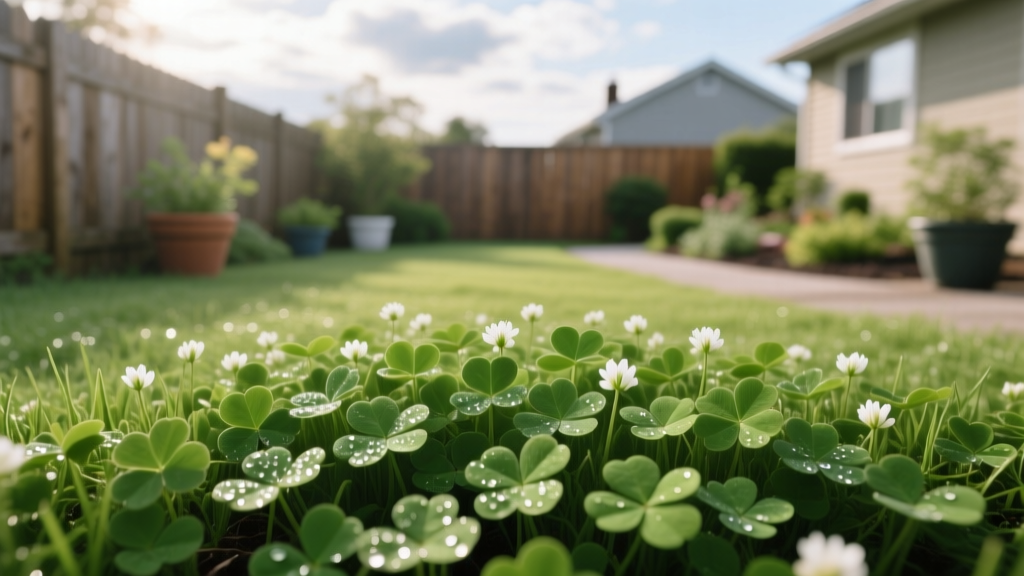
Micro-Clover Lawns: The Viral Landscaping Trend Guide
Sarah ChenPublished
If you have spent any time on garden-focused corners of TikTok, Instagram, or Pinterest recently, you have likely witnessed the explosive rise of the micro-clover lawn. Hashtags like #AntiLawn, #CloverLawn, and #SustainableLandscaping have amassed millions of views as homeowners proudly document ripping out their thirsty, high-maintenance turfgrass and replacing it with lush, emerald-green clover. But is this viral landscaping trend just a passing internet fad, or is it a legitimate, long-term solution for modern yard care? As a sustainable landscaping practice, micro-clover is fundamentally changing how we view our outdoor spaces. In this comprehensive guide, we will break down the science, costs, and step-by-step planting instructions for establishing your own viral micro-clover lawn.
What Exactly is Micro-Clover?
Micro-clover is a specific cultivar of white clover (Trifolium repens). While standard Dutch White Clover has been used for decades as a cover crop or mixed into pasture seed, it is often considered too aggressive and weedy for ornamental landscaping. Micro-clover varieties, such as 'Pirouette' and 'Nano', have been selectively bred to have much smaller leaves, a lower growth habit, and a less aggressive spreading nature. They blend seamlessly into a lawn setting, creating a dense, soft, and deeply green carpet that stays vibrant even during the peak heat of summer when traditional grasses go dormant and brown.
The Science Behind the Viral Trend
The primary reason landscaping experts and eco-conscious homeowners are championing clover is its remarkable ability to fix atmospheric nitrogen. Clover is a legume, meaning it forms a symbiotic relationship with soil bacteria called Rhizobium leguminosarum. These bacteria live in nodules on the clover's roots and pull nitrogen directly from the air, converting it into a form the plant can use. According to the University of Minnesota Extension, this natural fertilization process means a clover lawn requires zero synthetic nitrogen fertilizers. Not only does this save you money and time, but it also prevents the chemical runoff that contributes to waterway pollution and toxic algae blooms.
Micro-Clover vs. Traditional Turfgrass
To understand why this trend is taking over suburban neighborhoods, it helps to compare micro-clover directly against the traditional American standard: Kentucky Bluegrass. Below is a breakdown of how they perform across key landscaping metrics.
| Feature | Micro-Clover (Trifolium repens) | Traditional Turfgrass (Kentucky Bluegrass) |
|---|---|---|
| Water Requirements | Low (Drought tolerant once established) | High (Requires 1 to 1.5 inches per week) |
| Fertilizer Needs | Zero (Fixes its own nitrogen naturally) | High (Requires 2 to 4 lbs nitrogen/1000 sq ft annually) |
| Mowing Frequency | Rarely (Grows low to the ground) | Weekly during peak growing season |
| Pollinator Value | High (Attracts native bees and beneficial insects) | None (Ecological dead zone) |
| Dog Urine Resistance | High (Stays green and recovers quickly) | Low (Results in yellow, dead spots) |
| Foot Traffic Tolerance | Moderate (Not ideal for heavy sports fields) | High (Recovers well from heavy, repetitive wear) |
As the EPA's WaterSense program highlights, reducing traditional turfgrass areas and replacing them with water-wise alternatives like clover can drastically reduce residential outdoor water use, which accounts for nearly a third of all household water consumption in the United States.
Step-by-Step Guide to Planting a Micro-Clover Lawn
Transitioning from grass to clover is a highly rewarding weekend project, but it requires proper soil preparation and timing. Here is your actionable guide to getting it right the first time.
Step 1: Site Preparation and Timing
The best time to plant micro-clover is in early spring (when soil temperatures consistently reach 45°F) or early fall (4 to 6 weeks before your first expected frost). You must eliminate the existing grass to give the tiny clover seedlings a chance to compete. You can smother the existing lawn using black plastic sheeting or heavy cardboard for 4 to 6 weeks, or use an organic, non-selective herbicide. Once the grass is dead, rake the area thoroughly to expose bare soil. Clover seeds need direct soil contact to germinate; they will fail if simply tossed on top of dead thatch.
Step 2: Selecting the Right Seed
Do not buy cheap, generic 'White Clover' seed from a farm supply store if you want a refined lawn look. Look specifically for pelleted 'Micro-Clover' seed from reputable landscaping brands like Outsidepride, Jonathan Green, or Pro Time Lawn Seed. Pelleted seed is coated with the necessary Rhizobium bacteria and a clay coating that makes the tiny seeds easier to spread evenly using a standard broadcast spreader.
Step 3: Seeding Rates and Application
For a pure micro-clover stand, the recommended seeding rate is 1 to 2 pounds per 1,000 square feet. If you are overseeding into an existing, thinning grass lawn to create a mixed eco-lawn, reduce the rate to 0.5 pounds per 1,000 square feet. Divide your seed in half and spread it in a crisscross pattern (north-south, then east-west) to ensure even coverage. Lightly rake the soil to cover the seeds with no more than 1/8 inch of dirt, or simply press them into the soil using a lawn roller.
Step 4: Watering and Germination
Clover seeds must remain consistently moist until they sprout. Water the area lightly 2 to 3 times a day for the first 10 to 14 days. You will see germination in as little as 7 days under ideal conditions. Once the seedlings are established and reach about 2 inches tall, you can taper off watering to a deep, infrequent schedule to encourage deep root growth.
Maintenance and The 'Bee Fear' Factor
The most common objection to the viral clover lawn trend is the fear of bee stings. It is true that if left completely unmowed, clover will produce small white flowers that attract honeybees and native pollinators. While this is a massive benefit for local ecosystems—as noted by conservation groups like The Xerces Society—it can be a concern for families with young children who play barefoot in the yard. The solution is simple: mowing. If you mow your micro-clover lawn once every 3 to 4 weeks at a height of 2.5 to 3 inches, the plants will remain in a vegetative state and will rarely produce flowers. You get the lush, green, soft carpet without the bees.
Cost Breakdown: Clover vs. Turf
While the upfront cost of micro-clover seed is higher than generic grass seed, the long-term return on investment is staggering. Here is a realistic look at the costs for a 2,000 square foot yard:
- Initial Seed Cost: Micro-clover seed costs roughly $35 to $50 per pound. For 2,000 sq ft, you need about 3 lbs, totaling $105 to $150. (Kentucky Bluegrass seed for the same area would cost about $40).
- Annual Fertilizer Cost: $0 for clover vs. $100+ for traditional turf.
- Annual Water Cost: Clover requires roughly 70% less water. In drought-prone regions, this can save a homeowner $150 to $300+ per summer season.
- Herbicide/Pesticide Cost: $0. Clover naturally outcompetes broadleaf weeds and deters destructive grubs that feed on grass roots.
Within two to three seasons, the micro-clover lawn pays for itself in reduced water bills, eliminated fertilizer purchases, and saved weekend labor.
Pros and Cons of a Clover Lawn
Before joining the viral trend, weigh these practical pros and cons to see if micro-clover fits your specific property and lifestyle.
The Pros:
- Evergreen Color: Stays vibrant green even during severe summer droughts and winter dormancy.
- Eco-Friendly: Feeds the soil naturally, prevents runoff, and supports local pollinators (if allowed to flower).
- Pet Friendly: Highly resistant to the nitrogen burns caused by dog urine.
- Low Maintenance: Drastically reduces or eliminates the need for mowing, watering, and aerating.
The Cons:
- Traffic Limits: Not suitable for high-impact areas like soccer fields or heavy playground zones; the crowns can be damaged by intense, repetitive cleat traffic.
- Staining: Crushed clover leaves can stain light-colored clothing or outdoor fabrics more easily than turfgrass.
- Herbicide Sensitivity: You cannot use standard broadleaf weed killers (like 2,4-D) on a clover lawn, as they will kill the clover along with the dandelions.
Navigating HOAs and Neighborhood Norms
One hurdle many early adopters of the anti-lawn movement face is the Homeowners Association (HOA). Many HOAs have strict bylaws mandating 'traditional turfgrass.' However, the cultural tide is turning. Micro-clover, when kept mowed at 3 inches, looks remarkably similar to a high-end, thick fescue lawn from the street. Many homeowners successfully pass HOA inspections by maintaining crisp, hard-scaped edges along their driveways and garden beds, which signals 'intentional landscaping' rather than 'neglected weeds.' If you live in a strict neighborhood, consider starting with a mixed eco-lawn (50% turf, 50% micro-clover) as a transitional compromise.
Final Verdict
The micro-clover lawn is far more than a fleeting social media trend; it is a practical, ecologically sound evolution of the American yard. By embracing this viral landscaping idea, you are opting out of the endless cycle of watering, fertilizing, and mowing, and stepping into a more sustainable relationship with your land. Whether you choose to completely replace your turf or simply overseed your existing grass to create a resilient mixed lawn, micro-clover offers a beautiful, low-cost pathway to a greener, healthier outdoor living space.

