
Landscaping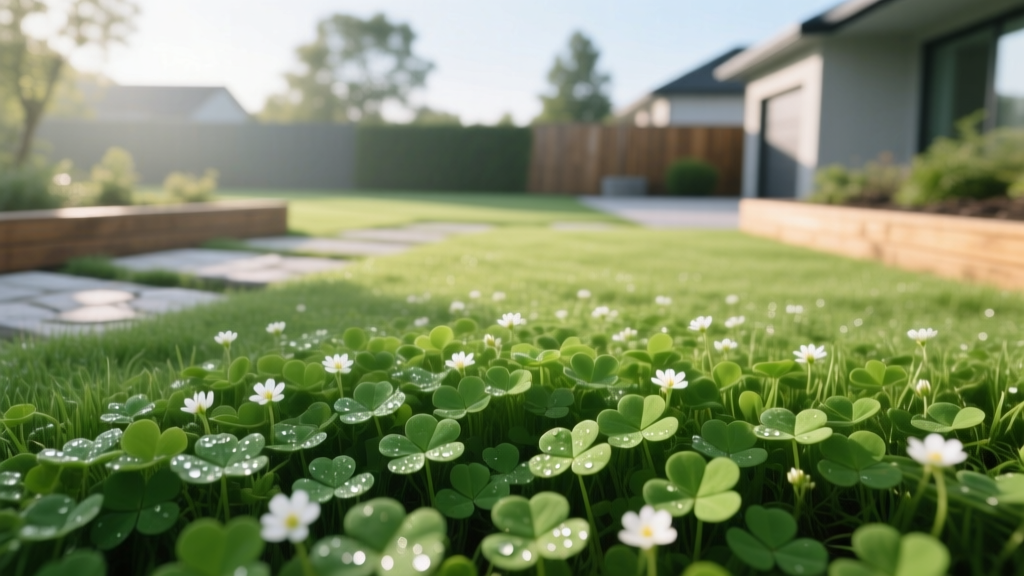
Viral Microclover Lawns: The Ultimate No-Mow Landscaping Trend
Mike RodriguezPublished
The TikTok Trend Taking Over Yards: What is Microclover?
If you have spent any time on landscaping TikTok or Instagram Reels lately, you have likely noticed a massive shift away from sterile, high-maintenance turfgrass. The 'no-mow' movement and 'eco-lawn' trends are dominating social media feeds, and at the very center of this viral landscaping revolution is microclover. Homeowners are ripping out their thirsty Kentucky Bluegrass and replacing it with lush, green, drought-tolerant microclover lawns. But what exactly is microclover, and does it live up to the viral hype?
Microclover (Trifolium repens var. 'Pirouette' or 'Nano') is a specially bred, miniature variety of Dutch white clover. Unlike its larger, more aggressive cousin, microclover features significantly smaller leaves, grows much closer to the ground, and produces far fewer flowers. This makes it an ideal candidate for a modern, sustainable landscape design that mimics the uniform look of a traditional lawn while offering massive ecological and practical benefits. According to the EPA's WaterSense program, landscape irrigation accounts for nearly one-third of all residential water use in the United States. By transitioning to a microclover eco-lawn, homeowners are directly tackling this environmental issue while saving hundreds of hours of weekend maintenance.
Microclover vs. Traditional Turfgrass: A Data-Driven Comparison
Before you decide to overhaul your front yard landscaping, it is crucial to understand how microclover stacks up against traditional turfgrass. The following data table highlights the core differences in maintenance, cost, and environmental impact.
| Feature | Traditional Kentucky Bluegrass | Microclover Eco-Lawn |
|---|---|---|
| Mowing Frequency | Weekly (Spring/Summer) | 2-3 Times per Year (Optional) |
| Water Requirements | High (1-1.5 inches/week) | Low (Highly Drought-Tolerant) |
| Fertilizer Needs | High (Nitrogen-heavy synthetic) | Zero (Fixes own nitrogen) |
| Average Seed Cost | $4 - $8 per lb | $15 - $25 per lb |
| Weed Suppression | Moderate (Requires herbicides) | High (Dense mat chokes weeds) |
| Pollinator Value | Near Zero | Moderate (When allowed to bloom) |
The Economics of an Eco-Lawn: Cost Analysis
The most common criticism of the viral microclover trend is the upfront cost of seed. At $15 to $25 per pound, microclover seed is significantly more expensive than traditional grass seed. However, landscaping is an investment, and the return on investment (ROI) for an eco-lawn is typically realized within two to three growing seasons.
Consider the hidden costs of a traditional lawn: annual aeration, synthetic nitrogen fertilizers, pre-emergent herbicides, and the water bill. Research from the University of Minnesota Extension highlights that clover's deep taproots make it exceptionally resilient during summer droughts, virtually eliminating the need for supplemental irrigation once established. When you factor in the elimination of chemical fertilizers—because microclover pulls nitrogen directly from the atmosphere and deposits it into the soil—the long-term savings are substantial. Furthermore, you are buying back your weekends. No more weekly mowing, edging, and blowing.
Step-by-Step Guide to Planting a Viral Microclover Lawn
Ready to join the sustainable landscaping trend? Here is your comprehensive, actionable guide to establishing a pure microclover lawn or overseeding an existing turf.
1. Site Preparation and Soil Testing
Microclover thrives in soils with a pH between 6.0 and 7.0. Start by testing your soil. If you are converting an existing lawn, you must eliminate the current grass. You can use a method called solarization (covering the lawn with clear plastic for 4-6 weeks during peak summer heat) or smothering (layering cardboard and compost). Avoid using harsh chemical herbicides if your goal is a sustainable, eco-friendly landscape. Once the old grass is gone, rake the area aggressively to expose the topsoil and create a fine, level seedbed.
2. Timing Your Seeding
The optimal time to plant microclover is early fall, roughly between Labor Day and mid-October. The soil is still warm from the summer, which encourages rapid germination, but the cooler autumn air and increased rainfall reduce the need for constant manual watering. Early spring (April) is your second-best option, provided the threat of hard frost has passed and soil temperatures have reached at least 50°F.
3. Seeding Rates and Techniques
Because microclover seeds are incredibly tiny (nearly the size of dust particles), broadcasting them evenly by hand is nearly impossible. The pro-landscaper trick is to mix 1 pound of microclover seed with 5 pounds of dry, fine builder's sand. This adds bulk and ensures an even distribution. For a pure microclover stand, apply at a rate of 1 to 2 pounds per 1,000 square feet. If you are simply overseeding an existing fescue or bluegrass lawn to create a mixed eco-turf, reduce the rate to 0.5 pounds per 1,000 square feet. Use a broadcast spreader on the lowest setting, walking in a crisscross pattern to guarantee full coverage.
4. The First 30 Days: Watering and Establishment
Clover seed must remain consistently moist to germinate. For the first 14 to 21 days, you will need to lightly mist the seedbed 2 to 3 times a day for about 5 to 10 minutes per session. You are not trying to flood the yard; you are simply preventing the top quarter-inch of soil from drying out. Once the seedlings emerge and develop their first set of true trifoliate leaves, you can gradually reduce watering frequency to encourage those famous deep taproots to seek out subterranean moisture.
Designing with Microclover: Hardscaping and Garden Bed Integration
A successful landscape design relies on clean lines and defined spaces. Because microclover can spread via underground stolons, it requires thoughtful integration with your hardscaping and garden beds. Install steel or aluminum landscape edging at a depth of 4 inches along the borders of your gravel pathways, patios, and mulched garden beds. This physical barrier prevents the clover from creeping into your ornamental landscaping areas.
From a design perspective, the rich, dark emerald green of a microclover lawn provides a stunning, high-contrast backdrop for vibrant perennial borders and native pollinator gardens. Pair your clover lawn with structural hardscaping elements like Corten steel planters or natural stone retaining walls to achieve that modern, high-end curb appeal frequently showcased by landscape architects on social media.
Maintenance Tips for a Thriving Eco-Lawn
While viral videos often brand microclover as 'zero maintenance,' a more accurate term is 'minimal maintenance.' To keep your eco-lawn looking manicured rather than wild, set your mower blade to 3 or 4 inches and mow it just a few times during the peak of summer. This removes any flower heads and encourages lateral, dense growth. Always leave the clippings on the lawn; as they decompose, they return valuable organic matter to the soil.
As noted by Penn State Extension, white clover is a legume that forms a symbiotic relationship with Rhizobium bacteria, allowing it to fix atmospheric nitrogen. Therefore, you should never apply high-nitrogen synthetic fertilizers to a microclover lawn. Excess nitrogen will actually burn the clover and encourage aggressive broadleaf weeds to invade the space.
Addressing the Haters: Bees, Weeds, and Stains
Every viral trend has its detractors. Let us address the three most common concerns regarding microclover lawns:
- The Bee Factor: Many homeowners fear that a clover lawn will attract swarms of stinging bees. Unlike traditional Dutch white clover, microclover varieties like 'Nano' are bred to produce very few flowers, especially when mowed occasionally. If you have severe bee allergies, a pure fine-fescue eco-lawn might be a safer alternative, but for the vast majority of people, microclover poses no significant stinging risk.
- Weed Invasion: Some claim clover is a weed. In a sterile turfgrass monoculture, it is. But in a sustainable eco-lawn, the dense, interlocking mat of clover stolons naturally shades out and suppresses dandelions, crabgrass, and thistles far better than thinning summer bluegrass.
- Grass Stains: Clover sap can stain clothing, much like traditional grass. However, microclover's low-growing habit means you are less likely to brush against it heavily unless you are sitting directly on the lawn.
Conclusion: Is the Viral Trend Right for Your Landscape?
The viral microclover lawn is not just a fleeting social media fad; it is a fundamental shift toward sustainable, ecologically responsible landscaping. By reducing water consumption, eliminating chemical fertilizers, and drastically cutting down on mowing time, microclover offers a practical, beautiful solution for the modern homeowner. Whether you decide to plant a pure microclover stand or overseed your existing turf to create a resilient eco-blend, you are investing in a greener, healthier, and more vibrant outdoor living space.

