Gardening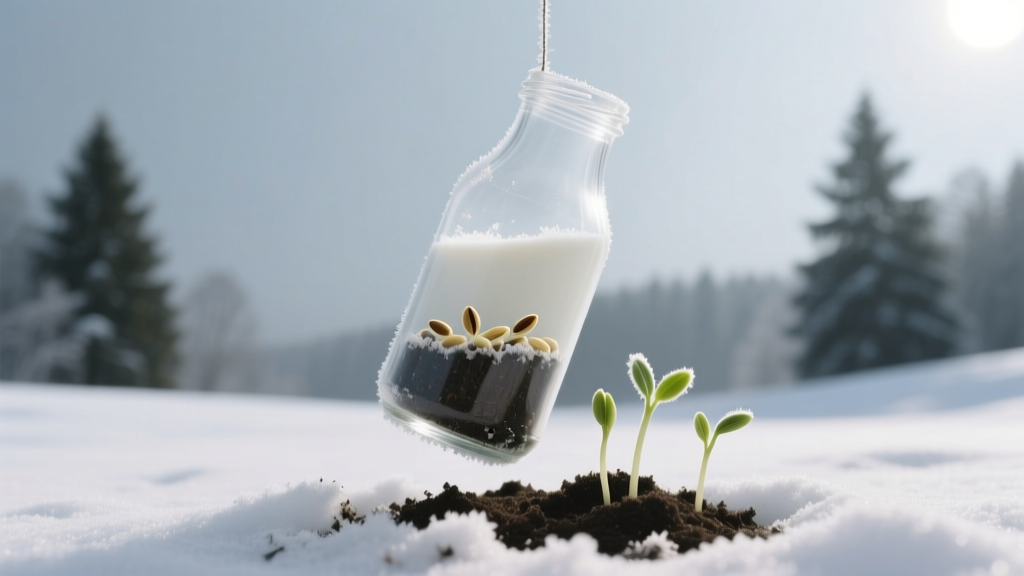
The Viral Milk Jug Winter Sowing Hack for Gardeners
Mike RodriguezPublished
The TikTok Sensation: What Is Winter Sowing?
If you have spent any time on Gardening TikTok or Instagram Reels this past January, you have likely seen thousands of translucent milk jugs lined up in snowy backyards. The hashtag #WinterSowing has accumulated tens of millions of views, turning a decades-old grassroots gardening technique into a viral modern hack. But what exactly is winter sowing, and why are gardeners trading expensive indoor grow lights for recycled dairy containers?
Winter sowing is the practice of planting cold-hardy seeds in ventilated, transparent containers and leaving them outdoors to endure the freezing and thawing cycles of winter. The milk jug acts as a miniature greenhouse, protecting the seeds from harsh winds and foraging birds while allowing snow and rain to enter. When spring arrives, the seeds germinate naturally, perfectly timed with the warming soil. This viral hack eliminates the need for expensive indoor seed-starting setups, prevents the dreaded 'leggy seedling' syndrome caused by low indoor light, and completely bypasses the hardening-off process.
The Science: Cold Stratification and Microclimates
The biological mechanism driving this viral trend is known as cold stratification. Many perennial flowers, native plants, and cold-season vegetables have evolved with built-in dormancy mechanisms to prevent them from germinating prematurely during a warm winter spell. According to the University of Minnesota Extension, these seeds require a prolonged period of cold, moist conditions to break down germination inhibitors. By placing seeds in milk jugs outdoors, you are mimicking nature's exact stratification process.
Furthermore, the milk jug creates a unique microclimate. During the day, the translucent plastic captures solar radiation, slightly warming the soil inside. At night, it traps ambient humidity. This environment keeps the seed-starting mix consistently moist—a critical factor for successful stratification. The pioneer of this specific container method, documented extensively at WinterSown.org, proved that seeds sown this way develop incredibly robust root systems and thicker cuticles compared to their indoor-grown counterparts.
Materials and Cost Breakdown
One of the primary reasons this method has gone viral is its accessibility. You can start hundreds of plants for a fraction of the cost of traditional indoor seed starting. Here is the essential gear you need:
- Translucent Gallon Milk Jugs (Free): Do not use opaque water jugs or green Sprite bottles. The plastic must allow sunlight to penetrate. Wash them thoroughly with warm soapy water.
- Seed Starting Mix ($12 - $18): Avoid heavy garden soil or potting mixes with added fertilizers, which can burn tender seedlings. A premium mix like Espoma Organic Seed Starter or a custom blend of 60% coco coir and 40% perlite works best.
- Heavy-Duty Duct Tape ($6 - $10): Gorilla Tape or Scotch All-Weather tape is essential. Cheap craft tape will degrade in the UV light and snow.
- Labeling Supplies ($5): A silver or white Sharpie Paint Pen is the viral favorite for writing directly on the black duct tape. Alternatively, use plastic plant labels placed inside the jug.
- Seeds ($10 - $20): Focus on cold-hardy annuals, perennials, and brassicas. Avoid frost-tender crops like tomatoes, peppers, or zinnias for this method.
Total Estimated Cost: Under $45 for up to 200+ individual plant starts.
Step-by-Step: Building Your Mini-Greenhouses
Follow these exact measurements and steps to ensure your milk jugs survive the winter elements and provide optimal germination conditions.
1. Prep and Drainage
Using a soldering iron, an awl, or a heated nail, poke four to six drainage holes in the absolute bottom of the milk jug. Each hole should be roughly 1/4 inch wide. Proper drainage is non-negotiable; if water pools at the bottom and freezes into a solid block of ice, it will crush and kill the seeds.
2. The Hinge Cut
Remove the cap and discard it permanently. Using a sharp utility knife or heavy-duty scissors, cut horizontally around the jug, about 4 inches up from the base. Stop cutting when you reach the side opposite the handle, leaving a 1-inch uncut section below the handle to act as a natural hinge. This allows you to open the jug like a clamshell for planting and checking moisture later.
3. Soil and Sowing
Pre-moisten your seed-starting mix in a large tub until it feels like a wrung-out sponge. Fill the bottom of the milk jug with 3 to 4 inches of the damp soil. Gently tamp it down, but do not compact it. Sow your seeds according to the packet's depth instructions. For tiny seeds like snapdragons or columbine, simply press them into the surface. For larger seeds like kale or Swiss chard, use a dibber to create a 1/4 inch trench.
4. Tape and Label
Close the jug and seal the horizontal cut completely with your heavy-duty duct tape. Ensure there are no gaps where winter winds could dry out the soil. Use your paint pen to label the tape with the seed variety and the date sown. Finally, poke two small ventilation holes near the very top neck of the jug to allow for gas exchange and prevent fungal issues.
Timing Guide: What to Sow and When
Timing is everything. If you sow too early, seeds may germinate during a false spring and freeze when the next cold front hits. If you sow too late, they miss the stratification window. Below is a structured guide for gardeners in USDA Hardiness Zones 4 through 7.
| Seed Category | Example Varieties | Sowing Window | Germination Notes |
|---|---|---|---|
| Hardy Perennials | Columbine, Lavender, Echinacea, Milkweed | December to January | Requires 4-8 weeks of freezing temps to break dormancy. |
| Cold-Season Annuals | Snapdragons, Sweet Alyssum, Calendula, Pansies | January to February | Germinates as soon as soil temps reach 45°F to 55°F. |
| Brassicas & Alliums | Kale, Broccoli, Cabbage, Onions, Leeks | February to Early March | Fast germination; monitor closely to prevent overcrowding. |
| Hardy Root Veggies | Carrots, Radishes, Beets, Spinach | Early to Mid-March | Direct sow heavily; thin out seedlings once true leaves appear. |
Spring Maintenance and Transplanting
Once late February or March arrives, your jugs will begin to see action. Condensation will form on the inside of the plastic during the day, which is a great sign that the microclimate is active. However, you must monitor moisture levels. If the soil looks dry or the condensation stops forming, open the hinge and bottom-water the jugs by placing them in a shallow tray of water for 30 minutes.
As the seedlings emerge and develop their first set of 'true leaves,' and as daytime outdoor temperatures consistently stay above 50°F, it is time to vent the jugs. Cut the duct tape on the hinge and prop the top open, or simply remove the tape entirely. This acclimates the plants to the wind and direct sun. Because they have been growing outdoors the entire time, they are already 'hardened off'—a massive time-saver for busy gardeners.
When it is time to transplant, simply cut the duct tape fully, swing the top of the jug open, and slide the soil block out. You can slice the soil block into individual brownie-like squares, planting each seedling directly into your raised beds or garden borders with minimal root disturbance.
Common Mistakes to Avoid
While the viral videos make it look foolproof, there are a few pitfalls to avoid. First, never use soil from your garden beds; it will compact into a concrete-like brick inside the jug and harbor soil-borne pathogens. Second, do not place the jugs in deep, dark shade or under dense evergreen trees where snow will pile up 4 feet high and block all sunlight. Place them on a picnic table, a raised deck, or a pallet to ensure they receive winter sun and are safe from burrowing rodents. Finally, resist the urge to start warm-weather crops like tomatoes or basil in the jugs. They will rot in the cold, damp soil. Save those for your indoor grow lights, and let the milk jugs do what they do best: harness the raw power of winter to create indestructible, cold-hardy transplants.
