Lawn Care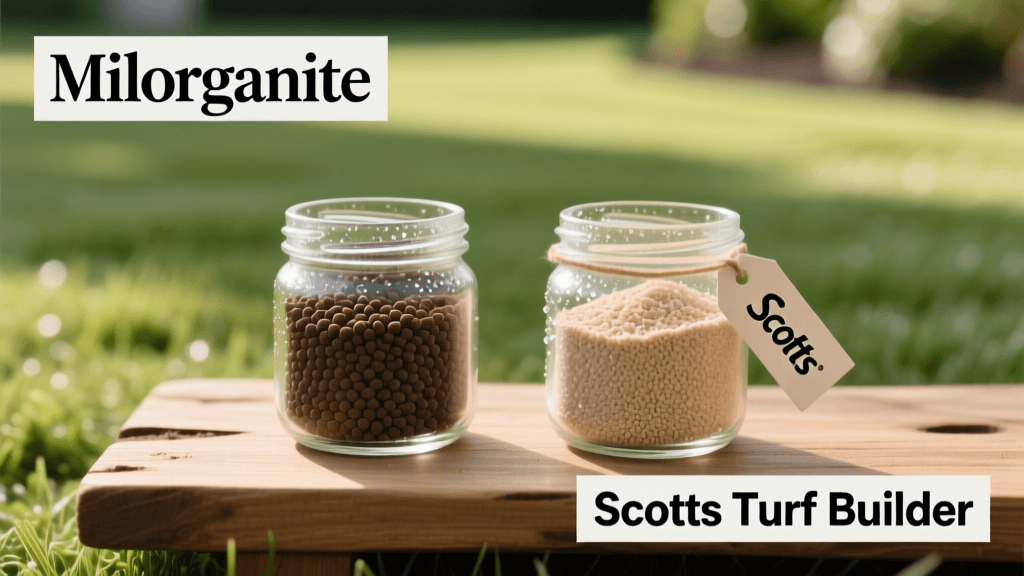
Milorganite vs Scotts Turf Builder: Fertilizer Review
The Great Fertilizer Debate: Organic vs. Synthetic
When it comes to maintaining a lush, vibrant lawn, choosing the right fertilizer is arguably the most critical decision a homeowner will make all season. In the realm of granular lawn care products, two titans consistently dominate the shelves of home improvement stores and garden centers: Milorganite and Scotts Turf Builder. Both products promise to transform patchy, yellowing turf into a dense, emerald-green carpet, but they achieve these results through fundamentally different chemical and biological pathways. In this comprehensive product review and comparison, we will dissect Milorganite's slow-release organic approach against the fast-acting synthetic power of Scotts Turf Builder. By examining nutrient profiles, soil health impacts, application methodologies, and long-term cost efficiency, you will be equipped to make an informed decision tailored to your specific lawn care goals.
Milorganite: The Slow-Release Organic Workhorse
Milorganite is not your traditional fertilizer; it is a heat-dried biosolid produced by the Milwaukee Metropolitan Sewerage District. With an NPK (Nitrogen-Phosphorus-Potassium) ratio of 6-4-0, it is significantly lower in primary macronutrients than synthetic alternatives. However, what it lacks in sheer concentration, it makes up for in soil-building benefits and safety.
Key Benefits of Milorganite
- Non-Burning Formula: Because the nitrogen is primarily water-insoluble and slow-release, Milorganite will not burn your lawn, even if you accidentally overlap spreader passes or apply it during the heat of summer.
- Iron Content: It contains 2.5% non-staining iron, which promotes deep green coloration without the risk of staining concrete driveways or sidewalks, a common issue with synthetic iron supplements.
- Soil Microbiology: Milorganite introduces organic matter into the soil, feeding beneficial microbes and improving long-term soil structure and moisture retention.
Drawbacks to Consider
The most common complaint regarding Milorganite is its distinct, pungent odor, which some homeowners describe as a mix of wet earth and sewage. While the smell typically dissipates within a few days or after a heavy rainfall, it can be off-putting for outdoor gatherings. Additionally, its low nitrogen content means you must apply a larger physical volume of product to achieve the same nitrogen input as synthetic fertilizers.
Scotts Turf Builder: The Synthetic Fast-Acting Powerhouse
Scotts Turf Builder Lawn Food is a staple in the synthetic fertilizer market, boasting a potent NPK ratio of 32-0-4. It utilizes Scott's proprietary All-in-One technology, designed to deliver an immediate surge of nutrients to the grass blades, resulting in rapid greening and aggressive top growth.
Key Benefits of Scotts Turf Builder
- Rapid Results: Homeowners typically notice a significant color change and growth spurt within 48 to 72 hours of application and watering.
- High Nitrogen Efficiency: With 32% nitrogen, a single 12.5-pound bag covers up to 5,000 square feet, making it highly cost-effective and easy to transport.
- Odorless Application: Unlike organic biosolids, Scotts Turf Builder is completely odorless, making it ideal for homeowners who entertain frequently or have sensitive noses.
Drawbacks to Consider
The primary risk associated with Scotts Turf Builder is fertilizer burn. Because a significant portion of the nitrogen is water-soluble and fast-acting, miscalculating your spreader settings or applying the product to dormant, drought-stressed turf can lead to severe chemical burns. Furthermore, synthetic fertilizers do not contribute organic matter to the soil, meaning long-term reliance can lead to soil compaction and a decline in microbial activity if not paired with aeration and organic amendments.
Head-to-Head Feature Comparison
To truly understand how these two products stack up against one another, we have compiled a detailed comparison chart highlighting their core specifications and field performance metrics.
| Feature | Milorganite (Slow-Release) | Scotts Turf Builder (Synthetic) |
|---|---|---|
| NPK Ratio | 6-4-0 | 32-0-4 |
| Nitrogen Release Time | 8 to 10 Weeks | 4 to 6 Weeks |
| Burn Risk | Extremely Low | Moderate to High (if misapplied) |
| Iron Content | 2.5% (Non-staining) | Trace / None |
| Bag Weight & Coverage | 32 lbs covers 2,500 sq ft | 12.5 lbs covers 5,000 sq ft |
| Odor Profile | Strong earthy/biosolid scent | Odorless |
| Pet & Child Safety | Safe immediately after application | Wait until watered in and dry |
Soil Science and Environmental Impact
When evaluating lawn care products, it is crucial to look beyond the immediate visual results and consider the long-term impact on soil ecology. According to research published by the Purdue University Extension Turfgrass Science program, the use of slow-release nitrogen sources, such as those found in organic biosolids like Milorganite, significantly reduces the risk of nitrogen leaching into groundwater compared to highly soluble synthetic urea. The microbial breakdown required to release nutrients from Milorganite ensures that nitrogen is made available to the turfgrass roots precisely when they are actively growing, rather than delivering a massive flush that the plant cannot fully absorb.
"Slow-release nitrogen sources provide a more uniform growth response over time, reduce the potential for fertilizer burn, and minimize environmental losses through leaching and volatilization." — Purdue University Extension
Conversely, Scotts Turf Builder relies on a blend of fast-release and partially coated synthetic nitrogen. While modern synthetic formulations have improved their efficiency, they still demand precise watering to prevent the salts from drawing moisture out of the grass roots—a phenomenon known as reverse osmosis, which manifests as fertilizer burn. Over several seasons, exclusive use of high-salt synthetic fertilizers can degrade soil structure, necessitating the introduction of organic compost or liquid humic acids to restore the soil's cation exchange capacity (CEC).
Application Guide: Spreader Settings and Timing
Achieving optimal results requires strict adherence to application guidelines. Here is how to properly deploy both products in your lawn care routine.
Milorganite Application
- Spreader Setting: For a standard Scotts rotary spreader, set the dial to J or 8.5.
- Timing: Apply during the active growing season. Because it is non-burning, it is an excellent choice for mid-summer applications when synthetic fertilizers are too risky.
- Watering: Watering is not strictly required to activate Milorganite, as soil microbes dictate the release rate. However, a light watering will help wash the granules off the grass blades and into the thatch layer.
Scotts Turf Builder Application
- Spreader Setting: For a standard Scotts rotary spreader, set the dial to 5.5.
- Timing: Best applied in early spring or early fall when temperatures are moderate (between 60°F and 80°F). Avoid applying to dormant or drought-stressed lawns.
- Watering: You must water your lawn immediately after application to dissolve the granules and move the nutrients into the soil profile. Failure to water within 48 hours increases the risk of turf burn.
Cost Analysis and Long-Term Value
At first glance, Scotts Turf Builder appears to be the more economical choice. A 12.5-pound bag typically retails for around $20, equating to $4.00 per 1,000 square feet. In contrast, a 32-pound bag of Milorganite costs approximately $22 but only covers 2,500 square feet, bringing the cost to roughly $8.80 per 1,000 square feet.
However, the cost analysis shifts when you factor in secondary lawn care needs. Milorganite's high iron content eliminates the need for separate liquid iron applications, which can cost $15 to $30 per bottle. Furthermore, the soil-conditioning properties of Milorganite can reduce the frequency of mechanical core aeration and top-dressing, offering hidden long-term savings that synthetic fertilizers simply cannot provide.
Final Verdict: Which Fertilizer Should You Choose?
There is no universal 'best' fertilizer; the right choice depends entirely on your lawn's current condition, your budget, and your tolerance for maintenance.
Choose Milorganite If:
- You have sandy soil prone to nutrient leaching.
- You want a foolproof, non-burning application during the stress of mid-summer.
- Your lawn suffers from iron chlorosis (yellowing with green veins) and needs a safe iron boost.
- You are focused on long-term soil biology and organic matter accumulation.
Choose Scotts Turf Builder If:
- You need rapid, dramatic greening for an upcoming event or home sale.
- You are managing a large property and need the cost-efficiency and high coverage rate of synthetic nitrogen.
- You have heavy clay soil that already retains nutrients well and does not require additional organic matter.
- You prefer an odorless application process and do not mind strictly following watering schedules.
Ultimately, many professional lawn care operators utilize a hybrid approach. They rely on Scotts Turf Builder for the primary spring and fall growth pushes to maximize canopy density, while utilizing Milorganite during the summer months to maintain color, supply iron, and feed the soil microbiome without risking chemical burn. By understanding the unique strengths and limitations of both products, you can curate a customized fertilization schedule that keeps your turf pristine all year long.