Tree Care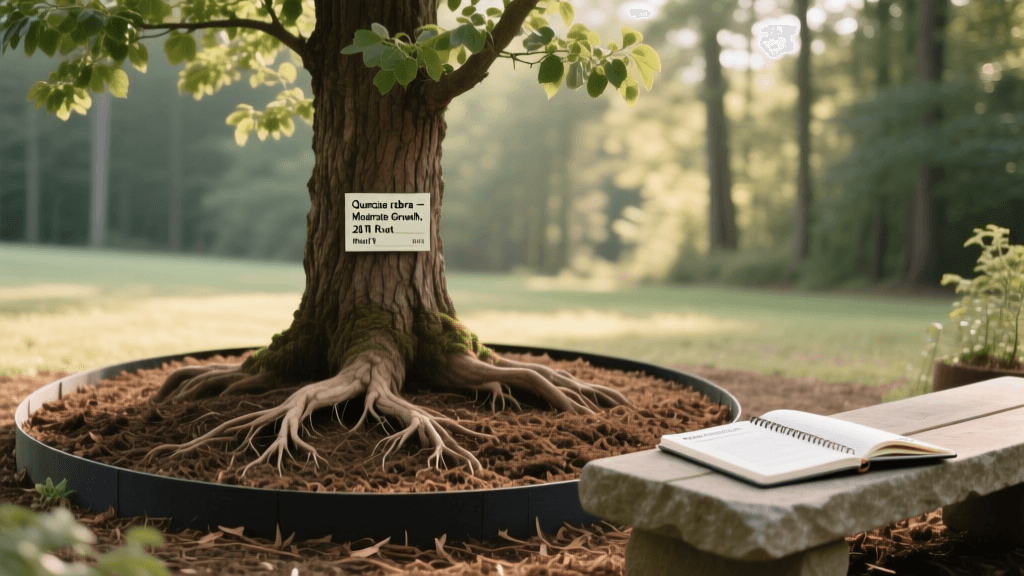
Mulching Best Practices To Prevent Tree Root Damage
Understanding Root Architecture and Mulch Interaction
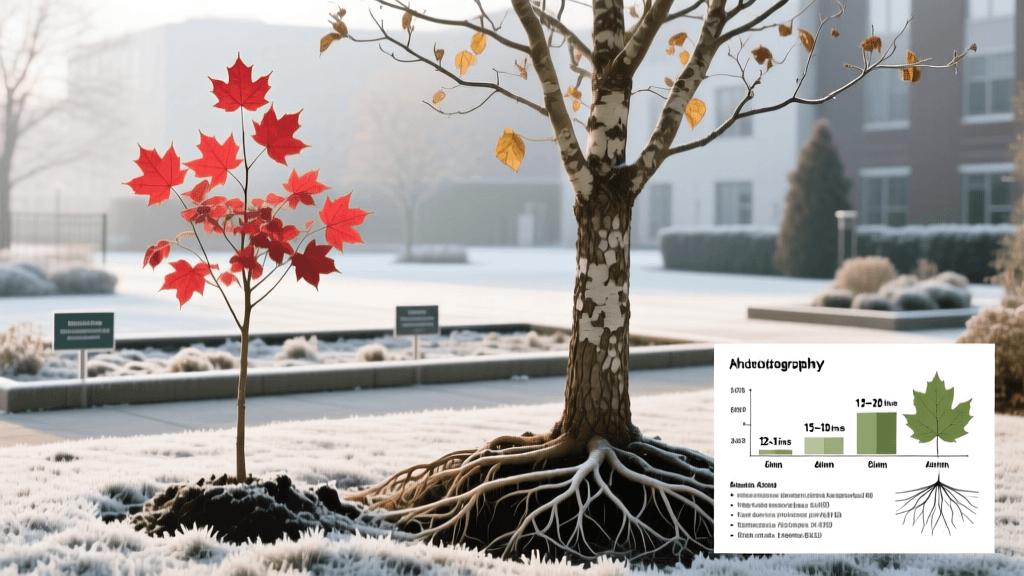
Tree roots are not merely underground extensions of the trunk—they form complex, dynamic systems that respond to soil moisture, oxygen availability, and physical constraints. Contrary to popular belief, most fine absorbing roots reside in the top 12–18 inches of soil, with over 90% of a mature tree’s root mass concentrated within the upper 2 feet (ISA, 2022). This shallow distribution makes roots especially vulnerable to improper mulching practices such as volcano mulching or excessive depth. When mulch is piled against the trunk, it traps moisture against the bark, encouraging fungal pathogens like *Phytophthora cinnamomi* and disrupting gas exchange—leading to phloem necrosis and girdling. Research from the University of Florida IFAS Extension confirms that trees subjected to trunk-contact mulch show 37% higher incidence of basal cankers within two growing seasons compared to properly mulched controls.
Correct Mulch Depth, Width, and Placement
The International Society of Arboriculture (ISA) explicitly recommends a mulch layer no deeper than 2–4 inches (ANSI A300 Part 5, 2021). Exceeding this threshold reduces soil oxygen diffusion by up to 60%, directly impairing root respiration. Depth must be measured from the soil surface—not from the top of existing organic debris—and adjusted seasonally as decomposition occurs. Crucially, mulch must never contact the trunk: maintain a 3–6 inch “no-mulch zone” around the base, exposing the root flare. This clearance allows for natural bark maturation and prevents microclimate-driven decay.
Species-Specific Root Spread Considerations
Different species exhibit markedly divergent root expansion patterns, influencing optimal mulch radius. For example:
- Oak (*Quercus rubra*) develops a broad lateral root system; mature specimens commonly extend roots 2–3 times the dripline—up to 75 feet beyond the canopy edge in open-grown conditions at the Morton Arboretum (Lisle, IL).
- Sugar maple (*Acer saccharum*) exhibits moderate spread but high sensitivity to compaction; its feeder roots rarely exceed 1.5× the dripline, yet decline sharply under mulch layers >3 inches deep.
- London plane (*Platanus × acerifolia*), widely planted in urban settings like New York City’s Central Park, forms dense, shallow mats within the top 10 inches—making precise mulch placement critical near sidewalks and curbs.
Mulch Material Selection and Decomposition Rates
Organic mulches vary significantly in nitrogen demand, pH impact, and longevity. Hardwood chips decompose at ~1.2 inches per year in temperate zones, while pine bark nuggets persist for 3–5 years with minimal nitrogen drawdown. A 2023 field trial conducted by the USDA Forest Service in Durham, NC found that shredded hardwood mulch increased soil organic matter by 0.8% annually in loamy soils, whereas rubber mulch showed zero measurable improvement in microbial biomass after four years. Avoid dyed mulches containing CCA-treated wood or heavy metals—these contaminants accumulate in root zones and inhibit mycorrhizal colonization.
Timing and Seasonal Adjustments
Apply mulch in late spring after soil temperatures reach 50°F (10°C) to avoid delaying root activity. In northern climates like Minneapolis, MN, reapply in early fall before frost to insulate shallow roots without smothering them. Never mulch immediately after planting: wait until soil has settled and irrigation patterns are established—typically 10–14 days post-installation. During drought, increase mulch depth by 0.5 inch only if the existing layer has degraded below 2 inches; overcompensation invites anaerobic conditions.
Quantifying Risk: Root Damage Thresholds and Monitoring
Root damage becomes physiologically significant when more than 25% of the critical root zone (CRZ) is disturbed. The CRZ is defined as the circular area beneath the dripline extended outward by one foot for every inch of trunk diameter at breast height (DBH). For a 12-inch DBH red oak in Boston’s Arnold Arboretum, the CRZ spans a 24-foot radius—covering over 1,800 square feet. Studies show that disturbing >30% of this zone reduces radial growth by 19% in the following season (ISA, 2020). Soil penetrometer readings above 300 psi within the top 12 inches indicate compaction severe enough to restrict root elongation—mulch alone cannot reverse this without concurrent aeration.
Common Errors and Corrective Actions
Volcano mulching remains the most widespread violation—observed in 68% of surveyed residential landscapes in a 2021 Austin Tree Survey. Correction requires careful removal of all mulch within 6 inches of the trunk using hand tools to avoid bark abrasion. If decay is visible, consult a certified arborist for wound assessment before re-mulching. Another frequent error is using mulch as a substitute for grading: piling mulch over exposed roots to “hide” them compresses underlying soil and starves roots of oxygen. Instead, apply a 1-inch layer of compost followed by 2 inches of coarse mulch to encourage gradual soil building.
The following table summarizes root characteristics and mulch recommendations for five common landscape species:
| Species | Average Mature Height (ft) | Root Spread Ratio (Dripline ×) | Preferred Mulch Depth (in) | Max Tolerated Compaction (psi) |
|---|---|---|---|---|
| Ginkgo biloba | 60–80 | 1.8× | 2–3 | 220 |
| Fraxinus pennsylvanica | 50–60 | 2.2× | 2–4 | 250 |
| Cercis canadensis | 20–30 | 1.5× | 2 | 200 |
Re-mulching intervals depend on material type and climate. Shredded bark requires replenishment every 12–18 months in humid regions like Charleston, SC, whereas composted wood chips may last 24 months in drier inland areas. Always inspect mulch before topping: if it’s matted, sour-smelling, or water-repellent, remove and replace rather than adding over it. Persistent fungal fruiting bodies—such as *Armillaria* rhizomorphs—indicate advanced root rot and necessitate professional diagnosis.
Proper mulching is not passive maintenance—it is active root zone management grounded in empirical soil science and species biology. As emphasized in ANSI A300 Part 5 (2021), “Mulch application shall be based on site-specific soil analysis, species requirements, and documented root distribution data—not aesthetic convention.” When applied correctly, mulch enhances water retention by 22%, reduces soil temperature fluctuation by 14°F in summer, and increases beneficial microbial counts by 400% within six months (University of Minnesota Extension, 2022). These outcomes are measurable, repeatable, and essential for long-term structural integrity.
“The root flare is not a flaw to be covered—it is the tree’s foundation. Mulch exists to protect the soil, not disguise the trunk.” — ISA Standards Committee, 2021
For newly planted trees, begin mulching at installation using native soil-compost blends rather than imported topsoil. A 3-inch-deep ring extending 4 feet beyond the root ball perimeter supports establishment without inducing sinkholes or differential settling. Monitor root flare exposure annually: if soil or mulch begins to bury the flare, carefully excavate with an air spade—a technique validated at the Chicago Botanic Garden for minimizing root trauma during correction.
Urban foresters at Portland State University tracked 142 street trees over seven years and found that those maintained with compliant mulch regimes exhibited 31% greater caliper growth and 44% lower mortality rates than non-mulched controls. These gains were consistent across *Ulmus parvifolia*, *Tilia cordata*, and *Zelkova serrata*. Importantly, benefits accrued only when mulch was renewed before degradation exceeded 50% volume loss—highlighting the need for scheduled inspection, not reactive application.
When evaluating mulch performance, assess three indicators monthly during active growth: (1) moisture retention—soil 2 inches below mulch should feel cool and crumbly, not soggy or dusty; (2) weed suppression—persistent annual weeds signal insufficient coverage or compaction; (3) root flare visibility—any bark concealment warrants immediate adjustment. Record observations in a site log; patterns emerge over time and inform future planting specifications.
Finally, recognize that mulch is one component of integrated root health. It cannot compensate for chronic over-irrigation, grade changes exceeding 2 inches, or trenching within the CRZ. At the Morton Arboretum, researchers demonstrated that combining proper mulching with mycorrhizal inoculation increased phosphorus uptake in *Quercus macrocarpa* seedlings by 67% versus mulch-only treatments. Holistic care demands attention to the entire edaphic system—not just the surface layer.