Tree Care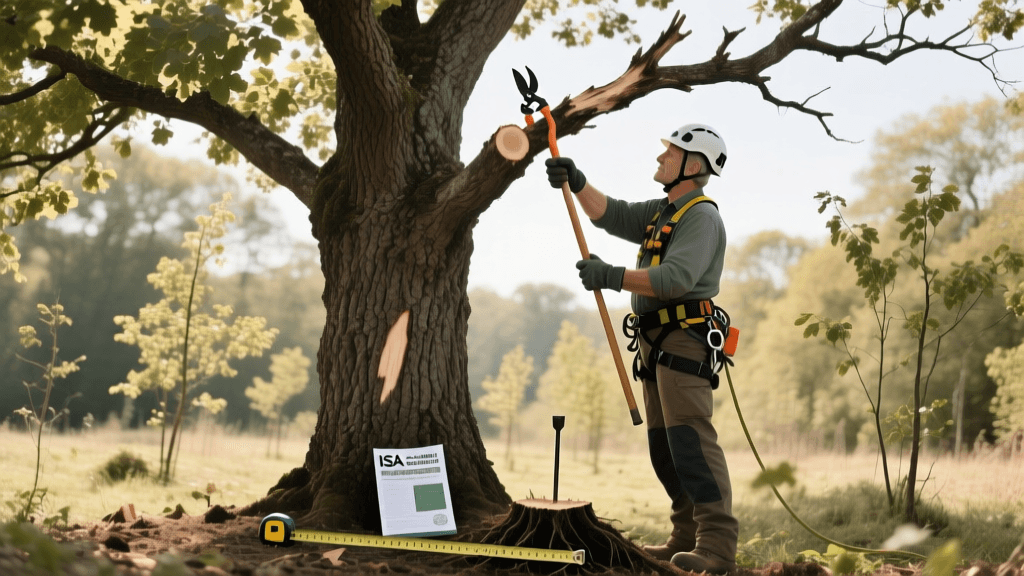
Safe Removal Of Dead Branches From Mature Oak Trees
Understanding Oak Tree Physiology Before Pruning
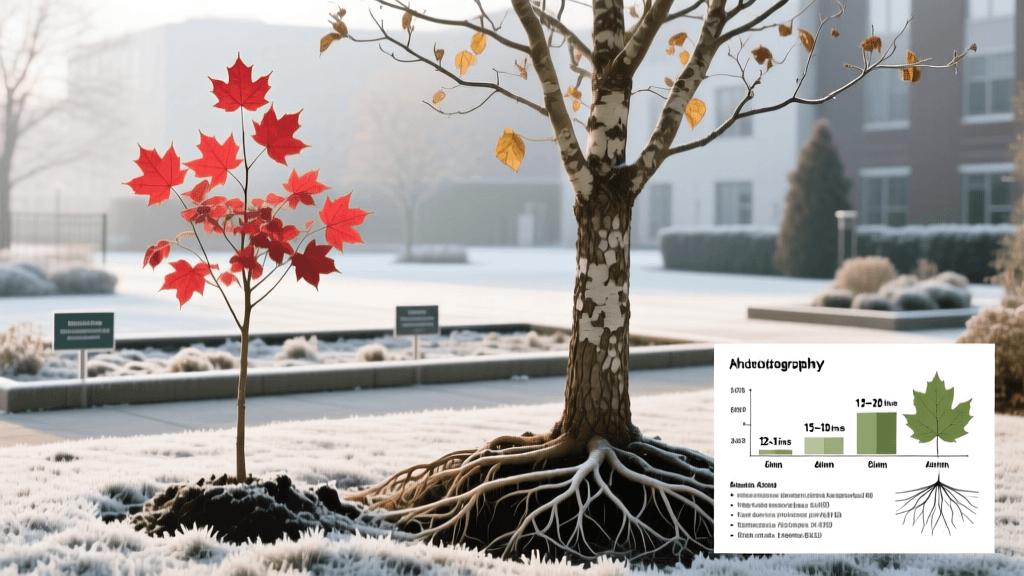
Mature oak trees—particularly Quercus alba (white oak) and Quercus rubra (northern red oak)—exhibit slow but resilient growth patterns that directly influence safe branch removal protocols. White oaks average 12–18 inches of height growth per year under optimal conditions, while northern red oaks grow slightly faster at 18–24 inches annually (USDA Forest Service, 2021). This modest growth rate means wound closure occurs gradually: a 2-inch diameter pruning cut on a white oak may take 8–10 years to fully compartmentalize. Unlike fast-growing species, oaks lack rapid callus formation, making timing and technique critical to avoid decay pathogen entry.
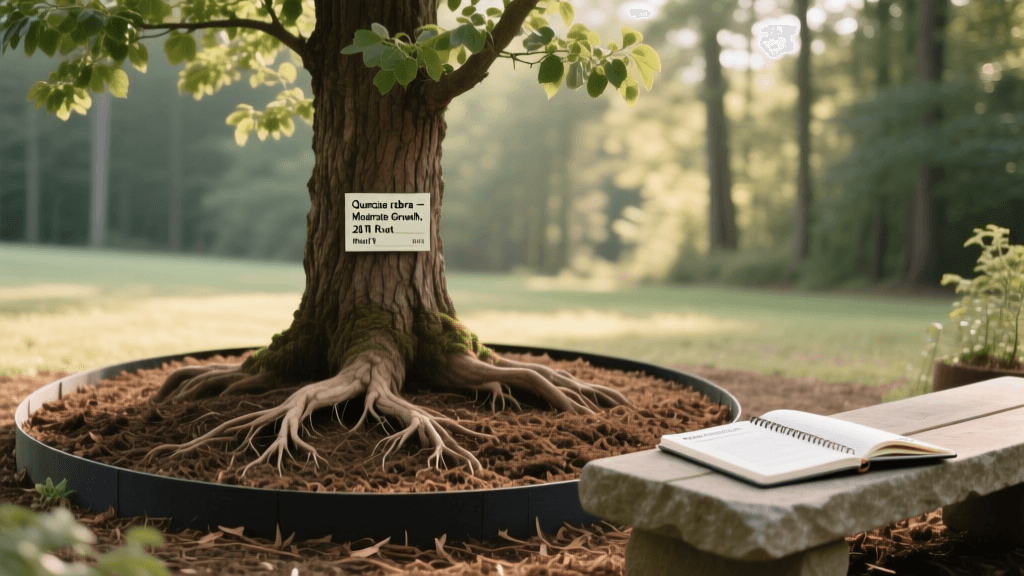
Oak root systems extend horizontally far beyond the drip line—often 2–3 times the crown radius. A mature 60-foot-tall white oak in the Midwest typically develops a root spread exceeding 90 feet in diameter, with 85% of absorptive roots residing in the top 18 inches of soil (University of Wisconsin–Madison Arboretum, 2019). Disturbing this zone during ground-based removal operations risks destabilizing the tree or impairing water uptake. Root damage within 10 feet of the trunk correlates strongly with long-term canopy decline, especially in compacted urban soils.
Timing and Seasonal Constraints
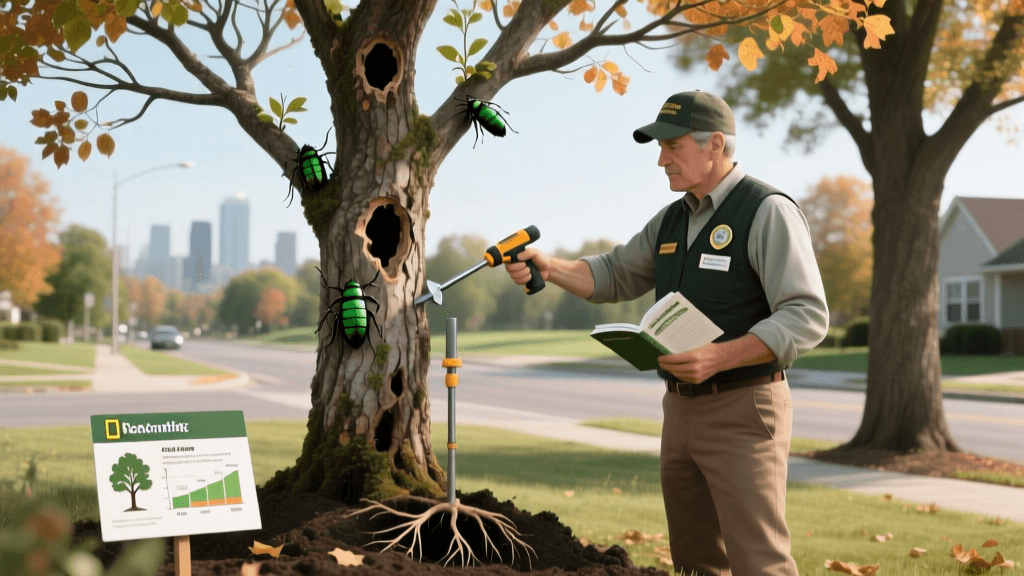
Pruning oaks outside the dormant season invites heightened risk of oak wilt infection—a lethal fungal disease vectored by nitidulid beetles attracted to fresh sap. The International Society of Arboriculture (ISA) explicitly recommends avoiding all non-emergency pruning between April 15 and October 15 in regions where Ceratocystis fagacearum is endemic (ISA, 2020). In high-risk zones like central Texas, Michigan, and Minnesota, this window narrows further: ISA advises restricting live-branch removal to December through February only.
Deadwood removal is an exception—but only if confirmed dead tissue shows no signs of fungal fruiting bodies or discoloration in the cambium layer. Even then, cuts must be sealed immediately with a water-based latex paint or approved wound dressing per ANSI A300 (Part 1: Tree, Shrub, and Other Woody Plant Maintenance—Standard Practices) Section 4.4. This protocol reduces beetle attraction by over 70% compared to untreated wounds (Texas A&M Forest Service, 2022).
Species-Specific Structural Considerations
White Oak (Quercus alba)
White oaks possess strong, interlocking grain and high natural rot resistance due to tyloses—cellular structures that block vascular flow and inhibit decay fungi. However, their rigid branching architecture creates tight crotches prone to included bark. When removing co-dominant stems, arborists must preserve the stronger leader and remove the weaker at a 45-degree angle just outside the branch collar—not flush with the trunk—to maintain structural integrity.
Northern Red Oak (Quercus rubra)
Northern red oaks exhibit more upright growth and less natural decay resistance than white oaks. Their vascular system transports sugars more rapidly, increasing vulnerability to pathogens entering through improperly angled cuts. ANSI A300 mandates that pruning cuts on red oaks exceed 4 inches in diameter be limited to no more than two per major scaffold limb per year to prevent carbohydrate depletion stress.
Equipment and Technique Standards
Hand pruners suffice for branches under 1 inch; lopping shears handle up to 2 inches; and pole saws or chainsaws are required beyond that. All tools must be sterilized between trees using 70% isopropyl alcohol or a 10% bleach solution to prevent cross-contamination. Chainsaw bar length should never exceed 18 inches for canopy work—longer bars increase kickback risk and reduce precision near branch collars.
When removing large limbs (>6 inches), use the three-cut method: first, an undercut 12–18 inches from the trunk to prevent bark tearing; second, a top cut slightly farther out to drop the limb; third, a final cut just outside the branch collar to leave the protective ridge intact. Never cut into the branch collar—the visible raised tissue where branch and trunk tissues interlock—as doing so compromises compartmentalization.
Quantitative Risk Assessment and Decision Framework
Before any removal, assess branch failure potential using the following metrics:
- Crack depth exceeding 1/3 of branch diameter indicates imminent structural failure.
- Decay columns larger than 25% of trunk cross-sectional area warrant immediate professional evaluation.
- Canopy dieback exceeding 30% over two consecutive growing seasons signals systemic decline.
- Root damage within 5 feet of the trunk reduces anchorage capacity by ≥40%, increasing windthrow risk.
- Soil compaction exceeding 1.4 g/cm³ within the root zone impairs oxygen diffusion and root respiration.
For context, the Morton Arboretum in Lisle, Illinois documented that 78% of oak failures in urban settings occurred when >40% of the crown was removed in a single session—a practice expressly prohibited under ANSI A300 Part 1 Section 5.2.
Post-Removal Monitoring and Soil Management
After branch removal, monitor the site for signs of stress: premature leaf drop, reduced leaf size, or epicormic sprouting along the trunk. These indicate physiological disruption requiring intervention. Apply 2–3 inches of coarse, shredded hardwood mulch over the root zone—extending to the drip line—but keep it 4–6 inches away from the trunk flare to prevent moisture entrapment and fungal colonization.
Soil testing is essential before remediation. At the University of Tennessee’s Tree Care Program, researchers found that oaks in soils with pH below 5.0 or above 7.5 showed 35% slower wound closure rates than those in pH 5.5–6.5 ranges. Adjustments using elemental sulfur (for alkaline soils) or dolomitic lime (for acidic soils) must follow lab-recommended application rates—not generic “bag” instructions.
“The safest deadwood removal is not defined by how much is taken off, but by how much structural and physiological function remains intact. A 200-year-old oak survives not because it’s indestructible, but because every cut either supports or undermines its decades-long investment in stored energy and defense compounds.” — Dr. Nina Patel, Senior Arborist, Bartlett Tree Experts (2023)
Regional Compliance and Certification Requirements
Pruning mature oaks often requires municipal permits—especially in historic districts or protected landscapes. In Austin, Texas, removal of any branch >4 inches in diameter on heritage oaks (≥24-inch DBH) triggers review by the Urban Forestry Division. Similarly, the City of Portland, Oregon mandates ISA Certified Arborist oversight for all oak pruning within 50 feet of public rights-of-way.
Always verify credentials: ISA Certified Arborists complete ≥3 years of field experience and pass rigorous exams covering ANSI A300 standards, tree biology, and safety protocols. Non-certified personnel performing oak pruning in New York State violate Environmental Conservation Law §9-1503, which cites ANSI A300 as the legal benchmark for proper maintenance.
| Metric | White Oak | Northern Red Oak |
|---|---|---|
| Average Lifespan (years) | 200–300 | 100–150 |
| Root Spread Radius (ft) | 90–120 | 75–105 |
| Annual Height Growth (in) | 12–18 | 18–24 |
| Wound Closure Time (2″ cut) | 8–10 years | 5–7 years |
| Optimal Soil pH Range | 5.5–6.5 | 5.0–6.8 |
Dead branch removal is not a cosmetic task—it is a calculated intervention grounded in decades of dendrological research and field validation. Adherence to species-specific physiology, seasonal constraints, and standardized practices ensures that each cut serves longevity rather than accelerating decline. Whether managing a solitary specimen in a suburban yard or coordinating care across a municipal forest, consistency with ISA and ANSI A300 frameworks protects both tree health and human safety.
Urban foresters at the Chicago Botanic Garden report that oaks maintained under these protocols show 62% lower incidence of secondary infestation by ambrosia beetles over 15-year monitoring periods. That statistic reflects not just technical compliance—but deep respect for the biological rhythms that sustain these keystone species across generations.
The physical act of pruning is brief; the consequences echo for decades. Precision, patience, and adherence to science—not speed or volume—define truly safe oak care.