Gardening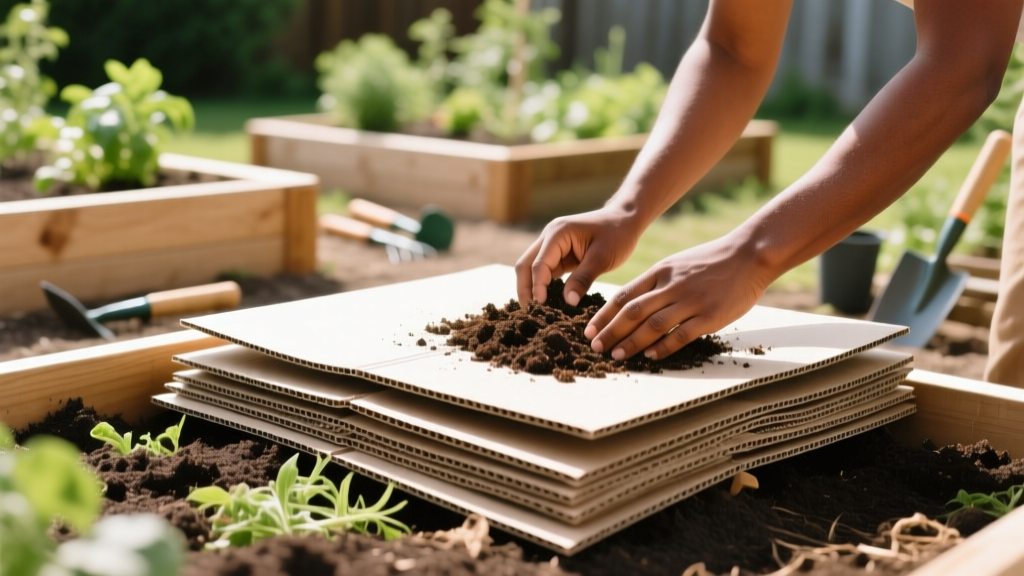
The Viral No-Dig Cardboard Sheet Mulching Garden Guide
Anna KowalskiPublished
The Internet’s Favorite Garden Hack: No-Dig Sheet Mulching
If you have spent any time on GardenTok, Instagram Reels, or YouTube gardening channels over the past two years, you have undoubtedly encountered the viral no-dig movement. Popularized by British gardening expert Charles Dowding and adopted by millions of home gardeners worldwide, the no-dig cardboard sheet mulching method has transformed from a niche permaculture technique into a mainstream viral sensation. But beyond the aesthetically pleasing time-lapse videos of lush, weed-free raised beds, does this method actually deliver? The short answer is a resounding yes. By mimicking the natural leaf-litter decomposition process of forest floors, sheet mulching builds incredible soil structure, retains moisture, and virtually eliminates the need for backbreaking tilling. In this comprehensive guide, we break down the exact measurements, costs, and step-by-step instructions to replicate the viral no-dig cardboard sheet mulching method in your own backyard.
Why Sheet Mulching is Going Viral on Social Media
Traditional rototilling has long been the standard for preparing garden beds. However, a growing body of evidence—and a massive community of viral gardening influencers—has exposed the hidden costs of tilling. Tilling destroys the delicate soil food web, brings dormant weed seeds to the surface, and accelerates the loss of soil carbon. Sheet mulching, often referred to as lasagna gardening, offers a visually satisfying and physically forgiving alternative. You simply layer organic materials directly over existing grass or weeds, allowing earthworms and microbes to do the heavy lifting. According to the Royal Horticultural Society (RHS), no-dig gardening preserves the intricate web of mycorrhizal fungi, which are essential for nutrient uptake and drought resistance in plants.
Materials and Cost Breakdown
One of the most appealing aspects of the viral sheet mulching trend is its cost-effectiveness, provided you source materials like a pro. Here is what you need for a standard 4x8-foot garden bed (32 square feet):
- Corrugated Cardboard: Sourced from local appliance stores, grocery stores, or recycling centers. (Cost: Free). Ensure it is plain brown cardboard without glossy finishes, heavy inks, or plastic tape.
- Bulk Compost: You will need approximately 1 cubic yard to create a 4-inch layer over a 4x8 bed. Buying bulk from a local landscape supply yard typically costs between $30 and $45. Buying the equivalent volume in bagged compost from a big-box store would cost over $150.
- Arborist Wood Chips: Used for pathways or the top mulch layer. You can often get these for free by contacting local tree trimming services or using the ChipDrop app. (Cost: Free or $20 delivery fee).
- Organic Fertilizer (Optional): A balanced organic granular fertilizer or alfalfa meal to sprinkle between layers. (Cost: $15).
Step-by-Step: Building Your Viral No-Dig Bed
Step 1: Site Preparation and Mowing
Do not pull up the existing grass or weeds. Instead, use a string trimmer or a lawn mower set to the lowest possible deck height to scalp the vegetation as close to the soil as possible. Leave the clippings right where they fall; they will decompose and add nitrogen to the soil beneath your cardboard.
Step 2: The Cardboard Weed Barrier
Lay down your corrugated cardboard directly over the scalped area. The golden rule of viral sheet mulching is overlap. You must overlap every piece of cardboard by at least 6 inches to prevent aggressive weeds like Bermuda grass or bindweed from finding a gap and pushing through. Once the cardboard is laid out, soak it thoroughly with a garden hose. Wet cardboard conforms to the soil contour, begins the decomposition process immediately, and invites earthworms to the surface.
Step 3: The Compost Engine
Shovel your bulk compost directly onto the wet cardboard. You want a minimum depth of 4 inches, though 6 inches is preferred if you plan to plant deep-rooted crops like tomatoes or daikon radishes immediately. The compost acts as your planting medium and the primary food source for the soil biology that will eventually break down the cardboard and the grass beneath it.
Step 4: Planting and Mulching
You can plant directly into the compost layer immediately. For transplants, simply pull back the compost, cut a small X into the wet cardboard, and plant your seedling so its roots can eventually penetrate the soil below. If you are building the bed in the fall to prepare for spring, cap the compost with a 2-inch layer of arborist wood chips to prevent erosion and nutrient leaching. Charles Dowding's long-term no-dig experiments demonstrate that undisturbed, compost-mulched soil yields up to 10% more produce while requiring a fraction of the weeding time.
Traditional Tilling vs. No-Dig Sheet Mulching
Why are so many gardeners abandoning their rototillers? The data speaks for itself. Below is a comparison of the two methods based on labor, ecology, and long-term garden health.
| Feature | Traditional Rototilling | No-Dig Sheet Mulching |
|---|---|---|
| Initial Labor | High (heavy machinery, physical strain) | Moderate (laying cardboard, moving compost) |
| Weed Germination | High (brings dormant seeds to surface) | Very Low (smothers existing weeds, no seed disruption) |
| Soil Structure | Degraded (destroys aggregates and fungal networks) | Improved (builds stable aggregates via worm activity) |
| Moisture Retention | Poor (exposed soil dries out rapidly) | Excellent (organic layers act as a sponge) |
| Carbon Footprint | High (releases soil carbon, uses gas/electricity) | Negative (sequesters carbon in the soil profile) |
Advanced Viral Pro-Tips: Chop and Drop & KNF
To truly tap into the advanced techniques trending in the online gardening community, combine your sheet mulching with the Chop and Drop method and Korean Natural Farming (KNF). Chop and Drop involves pruning your garden plants (like comfrey, borage, or spent tomato vines) and dropping them directly onto the soil surface as mulch, rather than hauling them to a compost bin. This mimics natural ecosystems and keeps nutrients cycling in place.
Additionally, many viral gardeners are incorporating KNF Fermented Plant Juice (FPJ) into their sheet mulching routine. By fermenting fast-growing local weeds with brown sugar, you create a potent, microbe-rich liquid fertilizer. Diluting this FPJ at a 1:1000 ratio and watering it into your new cardboard-and-compost layers supercharges the decomposition process and inoculates your bed with beneficial lactic acid bacteria.
Seasonal Timing and Maintenance
While you can sheet mulch at any time of year, the absolute best time to build a no-dig bed is in the autumn. The winter rains and freeze-thaw cycles will break down the cardboard and grass, leaving you with a rich, friable, and perfectly prepared planting surface by early spring. If you are building in the spring, ensure your compost is fully finished and not hot, or you risk burning your young transplants.
Maintenance is incredibly simple. At the end of every growing season, simply add a half-inch to one-inch top dressing of fresh compost to the surface of the bed. Never step on the bed to avoid compaction, and let the earthworms do the tilling for you. The Environmental Protection Agency (EPA) notes that consistent composting and mulching significantly reduce the need for chemical fertilizers and improve local water quality by preventing nutrient runoff.
Common Mistakes to Avoid
Despite its simplicity, beginners often make a few critical errors when attempting the viral sheet mulching trend. First, never use wax-coated or glossy cardboard, as these contain microplastics and chemicals that have no place in a food garden. Second, failing to overlap the cardboard sufficiently is the number one reason gardeners experience weed breakthroughs in their first year. Finally, avoid using raw, uncomposted manure directly on top of the cardboard; it can introduce pathogens and burn plants. Stick to high-quality, screened, and finished compost for the best results. By following these guidelines, you will join the millions of gardeners who have successfully transitioned to a lower-maintenance, higher-yielding, and ecologically sustainable no-dig garden.
