Gardening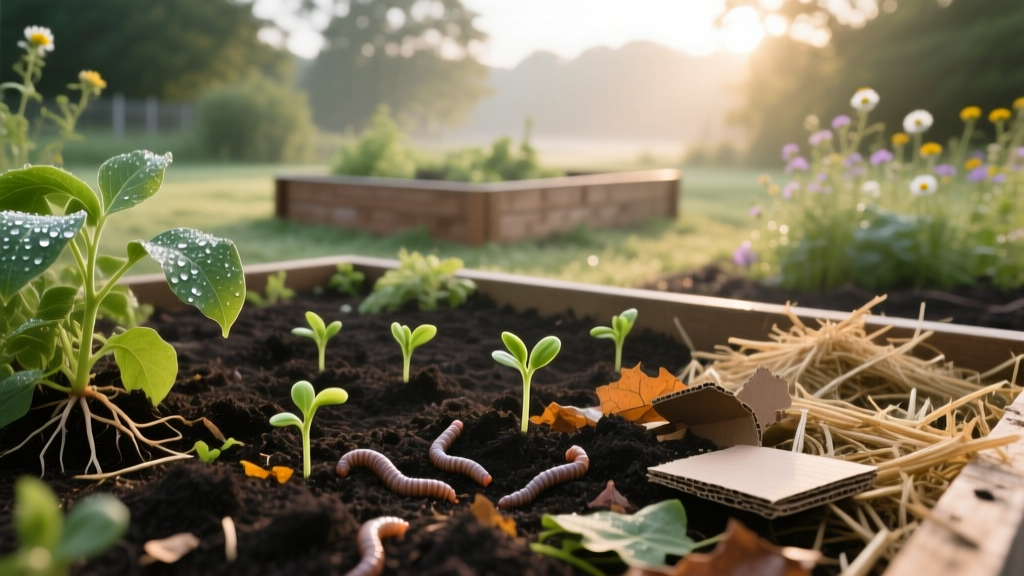
No-Dig Gardening: Build Rich, Eco-Friendly Garden Soil
Sarah ChenPublished
The Paradigm Shift: Why Stop Digging?
For generations, the rototiller has been a symbol of garden preparation. The prevailing wisdom dictated that turning the soil was necessary to incorporate amendments, aerate the earth, and prepare a fine tilth for seeds. However, modern soil science and sustainable agriculture have revealed a different truth. Tilling actually damages the complex, living ecosystem beneath our feet. As eco-conscious gardeners seek methods that regenerate rather than deplete the earth, the no-dig gardening movement has emerged as a cornerstone of sustainable horticulture.
No-dig gardening, also known as no-till or lasagna gardening, mimics the natural processes of the forest floor. In nature, organic matter falls to the ground and decomposes from the top down, fed upon by earthworms, fungi, and bacteria. By adopting this eco-friendly method, home gardeners can sequester carbon, drastically reduce water usage, and cultivate a thriving soil food web that naturally suppresses diseases and pests.
The Hidden Ecological Cost of Tilling
When you drive a tiller through your garden beds, you are essentially running a blender through a microscopic metropolis. The soil is held together by delicate fungal networks and microbial glues that create soil aggregates. These aggregates are crucial for water infiltration and root respiration. According to extensive research tracked by the Rodale Institute Farming Systems Trial, continuous tilling degrades soil organic matter, releases stored carbon into the atmosphere, and leaves the soil vulnerable to erosion and compaction.
Furthermore, tilling brings dormant weed seeds to the surface, exposing them to light and triggering mass germination. It also slices through the hyphae of mycorrhizal fungi—beneficial organisms that form symbiotic relationships with plant roots, extending their reach for water and phosphorus. By abandoning the tiller, you protect these vital ecological partners.
The Science of the Soil Food Web
The foundation of eco-friendly gardening lies in understanding the soil food web. The Sustainable Agriculture Research and Education (SARE) program emphasizes that feeding the soil, rather than feeding the plant directly, creates a resilient growing environment. When you apply organic matter to the surface of a no-dig bed, earthworms and beneficial insects pull it down into the subsoil. Their burrowing creates natural aeration channels that are far more effective and structurally sound than mechanical tilling. This continuous biological activity builds humus, which acts like a sponge, dramatically increasing the soil's water-holding capacity and buffering against drought.
Step-by-Step Guide to Sheet Mulching
Transitioning to a no-dig system is remarkably simple, cost-effective, and highly rewarding. The most popular method for establishing new beds or rehabilitating poor soil is sheet mulching, often referred to as lasagna gardening. The ideal time to start this process is in the autumn, allowing the winter freeze-thaw cycles and biological activity to break down the layers before spring planting. However, you can also build beds in early spring using mature compost.
Materials and Measurements
- Base Layer: Plain, uncoated corrugated cardboard (remove all plastic tape and staples).
- Nitrogen Layer (Greens): Fresh grass clippings, vegetable scraps, or coffee grounds (1 to 2 inches).
- Carbon Layer (Browns): Straw, shredded autumn leaves, or aged wood chips (4 to 6 inches).
- Top Dressing: High-quality, peat-free organic compost or leaf mold (3 to 4 inches).
Execution Steps
Step 1: Mow and Prepare. Do not pull existing weeds or grass. Simply mow or weed-whack the area as short as possible. Leave the clippings in place to decompose.
Step 2: Lay the Cardboard. Overlap the cardboard sheets by at least 6 inches to prevent aggressive weeds like bindweed or bermudagrass from finding a gap. Once laid, soak the cardboard thoroughly with a hose until it is completely saturated. This initiates the breakdown process and makes it immediately attractive to earthworms.
Step 3: Build the Layers. Alternate your nitrogen-rich green materials and carbon-rich brown materials. Think of this as building a giant, slow-release compost pile directly on top of your future garden bed.
Step 4: Apply the Compost Cap. Finish with a generous 3 to 4-inch layer of mature compost. This is your planting medium. If planting immediately, you can set transplants directly into this compost layer. If direct sowing seeds, a thin layer of fine vermicompost or coir on the very top will provide the perfect seedbed.
No-Dig vs. Traditional Tilling: A Comparison
Understanding the long-term impacts of your soil preparation methods is vital for sustainable landscaping. Below is a comparison of traditional tilling versus the eco-friendly no-dig approach.
| Feature | Traditional Tilling | No-Dig / Sheet Mulching |
|---|---|---|
| Soil Structure | Destroys aggregates; leads to hardpan compaction over time. | Preserves natural pore spaces, fungal networks, and capillary action. |
| Weed Management | Brings dormant weed seeds to the surface; requires frequent hoeing. | Smothering effect reduces weed pressure by up to 80% after year one. |
| Water Retention | Rapid evaporation; increased runoff and topsoil erosion. | High organic matter acts as a sponge, retaining moisture and reducing irrigation needs. |
| Carbon Footprint | Releases sequestered soil carbon into the atmosphere; relies on fossil fuels. | Sequesters atmospheric carbon into stable soil humus; zero fossil fuel reliance. |
| Microbial Life | Disrupts mycorrhizal fungi; reduces earthworm populations. | Fosters a thriving soil food web; earthworms naturally incorporate organic matter. |
Sourcing Sustainable Materials
A core tenet of eco-friendly gardening is sourcing materials responsibly. When purchasing compost for your top-dressing layer, actively avoid peat-based products. Peat bogs are vital global carbon sinks, and harvesting them releases massive amounts of greenhouse gases. Instead, look for compost blends utilizing composted bark, leaf mold, or coconut coir. Many local municipalities offer free or low-cost compost made from recycled yard waste, which is an excellent way to close the local nutrient loop.
For your carbon layers and pathways, arborist wood chips are an outstanding, often free resource. Services like ChipDrop connect homeowners with local arborists looking to offload wood chips. A 6-inch layer of arborist chips over cardboard makes for an incredible, weed-free garden path that slowly feeds the soil biology beneath it.
Seasonal Maintenance for No-Dig Beds
Maintaining a no-dig garden is significantly less labor-intensive than a traditionally tilled one. As noted by leading no-dig expert Charles Dowding, the primary annual task is simply replenishing the organic matter that has been consumed by your crops and the soil ecosystem.
In late autumn or early winter, after clearing your spent summer crops, apply a 1-inch to 2-inch layer of mature compost directly over the bed. Do not dig it in. Leave it on the surface. The winter rains, snow, and earthworm activity will pull the nutrients down into the root zone. By spring, the bed will be perfectly prepared for planting without a single pass of a shovel or fork.
Additionally, utilize cover crops like clover, vetch, or winter rye in empty beds. When spring arrives, simply chop the cover crop at the base with a sickle or sharp hoe, leave the roots in the ground to decompose, and plant directly into the residue. This practice, known as chop-and-drop, adds immense volumes of organic matter and fixes atmospheric nitrogen, completely eliminating the need for synthetic fertilizers.
Conclusion: Gardening for the Future
Embracing no-dig gardening is more than just a labor-saving technique; it is a profound commitment to ecological stewardship. By laying down cardboard, layering organic matter, and nurturing the soil food web, you transform your backyard into a carbon-sequestering, drought-resilient oasis. The transition requires a shift in mindset—from viewing soil as an inert growing medium to treating it as a living, breathing organism. As your soil structure improves year over year, you will be rewarded with vigorous plant growth, fewer pests, and the deep satisfaction of knowing your garden is actively healing the planet.
