Gardening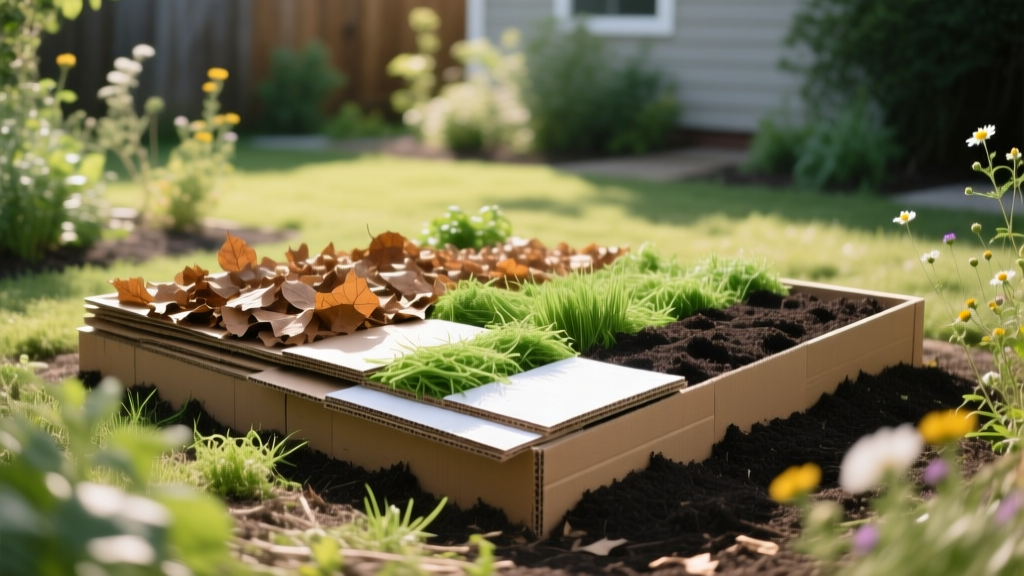
Build A No-Dig Lasagna Garden Bed For Eco-Friendly Soil
Anna KowalskiPublished
Introduction to No-Dig Lasagna Gardening
Lasagna gardening, also known as sheet composting, is a revolutionary, eco-friendly method of building rich, fertile garden soil without the backbreaking labor of tilling or digging. Instead of disrupting the earth, this sustainable approach mimics the natural decomposition process found on forest floors. By layering organic materials directly on top of the existing ground, you create a nutrient-dense, moisture-retaining sponge that suppresses weeds, sequesters carbon, and fosters a thriving underground ecosystem. Whether you are converting a patch of stubborn lawn into a vegetable oasis or rejuvenating a tired flower bed, the no-dig lasagna method is one of the most sustainable practices a home gardener can adopt.
The Ecological Benefits of No-Dig Soil Preparation
Traditional rototilling has long been the standard for garden preparation, but modern soil science reveals its hidden ecological costs. Tilling destroys the delicate mycorrhizal fungal networks that help plant roots absorb water and nutrients. It also brings dormant weed seeds to the surface, exposes soil organic matter to oxygen (which accelerates decomposition and releases stored carbon dioxide into the atmosphere), and disrupts the habitat of beneficial soil invertebrates like earthworms and ground-nesting bees.
According to the USDA Natural Resources Conservation Service, minimizing soil disturbance is a core principle of soil health. No-dig methods preserve the soil structure, increase water infiltration, and build organic matter over time. By utilizing the lasagna layering technique, you are actively participating in carbon sequestration, keeping carbon locked in the soil rather than releasing it. Furthermore, this method diverts yard waste and household compostables from landfills, closing the nutrient loop right in your backyard.
Gathering Your Sustainable Materials
The lasagna garden relies on the same fundamental science as a traditional compost pile: the balance of carbon-rich 'browns' and nitrogen-rich 'greens'. The Environmental Protection Agency notes that a proper balance of these materials is essential for efficient microbial breakdown. For a lasagna bed, you generally want a volume ratio of roughly 2:1 or 3:1 browns to greens. Because you are building in place, the materials do not need to be pre-shredded, though smaller pieces will decompose faster.
The Browns (Carbon-Rich Materials)
Browns provide the structural bulk, aeration, and slow-release energy for soil microbes. Excellent, free, and sustainable sources include:
- Corrugated Cardboard: Remove all plastic tape and glossy labels. This acts as your primary weed barrier.
- Dry Autumn Leaves: Shred them with a lawnmower if possible to prevent matting.
- Straw or Seed-Free Hay: Excellent for trapping air and adding bulk.
- Untreated Wood Chips or Arborist Mulch: Best used in the uppermost layers or for pathways.
- Newspaper: Use only black-and-white pages; avoid glossy inserts.
The Greens (Nitrogen-Rich Materials)
Greens provide the protein and moisture necessary to fuel the bacteria and fungi that break down the carbon. Sustainable sources include:
- Fresh Grass Clippings: Ensure they have not been treated with synthetic herbicides.
- Vegetable and Fruit Scraps: Avoid meat, dairy, and excessive citrus.
- Coffee Grounds and Tea Leaves: A fantastic, free nitrogen source often available from local cafes.
- Manure: Herbivore manure (cow, horse, chicken) that has been aged or composted.
- Fresh Weeds: Use only weeds that have not yet gone to seed.
Material Breakdown and C:N Ratio Chart
Understanding the Carbon-to-Nitrogen (C:N) ratio helps you balance your layers. Here is a structured guide to common lasagna garden materials and their breakdown timelines.
| Material Type | Examples | Approximate C:N Ratio | Estimated Breakdown Time |
|---|---|---|---|
| Browns (Carbon) | Corrugated Cardboard | 350:1 | 3 to 6 months |
| Browns (Carbon) | Dry Autumn Leaves | 60:1 | 3 to 6 months |
| Browns (Carbon) | Wheat Straw | 80:1 | 4 to 8 months |
| Greens (Nitrogen) | Fresh Grass Clippings | 20:1 | 1 to 3 months |
| Greens (Nitrogen) | Coffee Grounds | 20:1 | 1 to 2 months |
| Greens (Nitrogen) | Vegetable Scraps | 15:1 | 1 to 2 months |
Step-by-Step Guide to Building Your Lasagna Bed
Building a lasagna garden bed is straightforward, but precision in your layering ensures optimal decomposition and weed suppression. Follow these actionable steps to construct your bed.
Step 1: Site Preparation
Choose a location that receives at least 6 to 8 hours of direct sunlight for vegetable gardening. Do not dig up the existing grass or weeds. Instead, mow or string-trim the vegetation as short as possible. This leaves the root systems intact to decay and provide channels for water and earthworms.
Step 2: The Base Weed Barrier
Lay down overlapping sheets of plain corrugated cardboard or a thick layer of newspaper (at least 10 sheets thick). Overlap the edges by a minimum of 6 inches to prevent opportunistic weeds from finding a gap. Once the cardboard is laid out, water it thoroughly until it is completely saturated. This jumpstarts the decomposition process and makes the cardboard more attractive to earthworms.
Step 3: Alternating Layers
Begin adding your materials in alternating layers. Start with a 2 to 3-inch layer of 'greens' directly on top of the wet cardboard. Follow this with a 4 to 6-inch layer of 'browns'. Water each layer lightly as you build to maintain the moisture level of a wrung-out sponge. Continue alternating until your bed is between 18 and 24 inches high. While this may look excessively tall, the materials will compress and decompose, shrinking down to about 6 to 8 inches of pure topsoil by planting season.
Step 4: The Top Dressing
Finish the bed with a 2 to 3-inch layer of finished compost or high-quality topsoil. This provides an immediate, hospitable environment for seeds or transplants if you are planting right away, and it gives the bed a neat, finished appearance.
Timing, Planting, and Maintenance
The optimal time to build a lasagna garden bed is in the autumn. According to the University of Wisconsin-Madison Extension, building the bed in September or October allows the winter moisture and freezing-and-thawing cycles to break down the materials. By the time spring planting arrives in April or May, the bed will have transformed into a dark, crumbly, plant-ready medium.
If you must build a bed in the spring for immediate planting, you will need to rely heavily on finished compost and aged manure for your top 6 inches. When planting seedlings, simply pull back the mulch, dig a small hole through the decomposing layers into the native soil below, and plant. The roots will follow the earthworms down into the rich, underlying earth.
Common Eco-Friendly Gardening Mistakes to Avoid
While the lasagna method is forgiving, a few common mistakes can hinder your success and reduce the sustainability of your garden:
- Using Treated or Glossy Cardboard: Avoid cardboard with heavy inks, wax coatings, or plastic tape. These introduce microplastics and heavy metals into your soil ecosystem.
- Skipping the Watering Step: Decomposition requires moisture. If you build a bed with dry leaves and dry cardboard without watering between layers, the center of the bed will become hydrophobic and halt the breakdown process.
- Using Herbicide-Tainted Clippings: Some commercial lawn treatments contain persistent herbicides (like aminopyralid) that can survive the composting process and severely damage broadleaf vegetables like tomatoes and beans. Always source grass clippings from untreated lawns.
- Walking on the Bed: The no-dig method relies on preserving soil structure and preventing compaction. Design your garden with beds no wider than 4 feet so you can reach the center from the edges without ever stepping on the soil.
Conclusion: A Legacy of Soil Stewardship
Building a no-dig lasagna garden bed is more than just a clever gardening hack; it is a profound act of ecological stewardship. By recycling local organic waste, eliminating the need for fossil-fuel-powered tillers, and fostering a vibrant soil food web, you are creating a resilient, drought-tolerant garden ecosystem. Over the years, as you continue to top-dress your bed with compost and mulch, the soil will only grow richer, darker, and more alive, proving that the most sustainable way to garden is to let nature do the heavy lifting.
