Gardening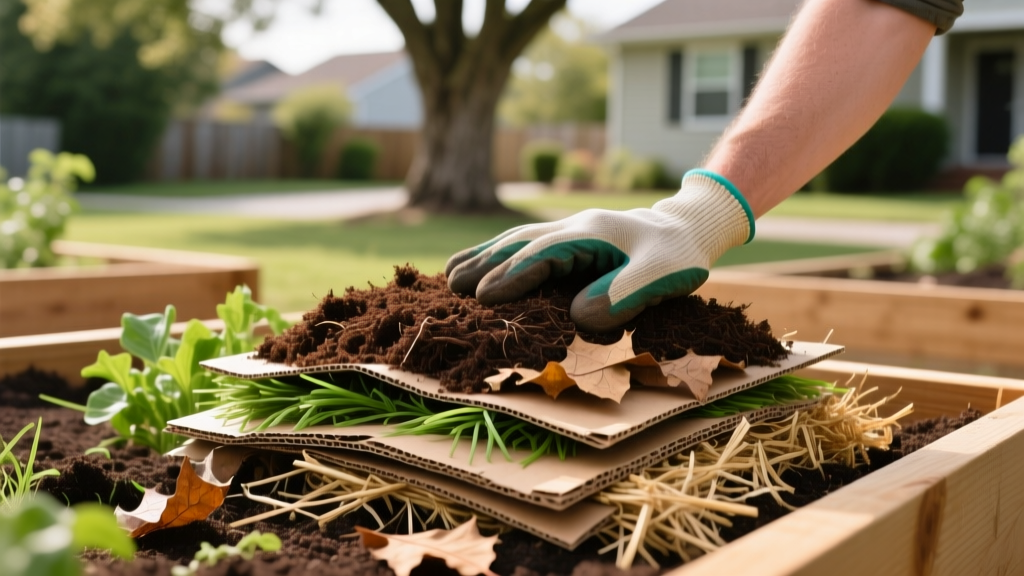
How to Build a No-Dig Lasagna Garden for Sustainable Soil
Mike RodriguezPublished
Traditional gardening often relies on intensive tilling, synthetic fertilizers, and bagged soils wrapped in single-use plastics. While these methods can yield results, they come at a significant environmental cost. Tilling disrupts the delicate soil food web, releases sequestered carbon into the atmosphere, and degrades soil structure over time. Enter lasagna gardening—a sustainable, eco-friendly method of soil preparation that mimics the natural decomposition processes found on forest floors.
Lasagna gardening, also known as sheet composting or no-dig gardening, involves layering organic materials directly on top of the ground. Over time, these layers break down into a rich, loamy, and highly biologically active planting medium. According to the Royal Horticultural Society (RHS), no-dig methods not only preserve vital mycorrhizal fungi networks but also drastically improve soil moisture retention and reduce weed pressure.
This comprehensive guide will walk you through the science, materials, and step-by-step process of building a no-dig lasagna garden bed, helping you cultivate a thriving, eco-conscious garden right in your backyard.
The Environmental Impact of Tilling vs. No-Dig
To understand why lasagna gardening is a cornerstone of sustainable horticulture, we must first look at what happens when we till the soil. Rototilling pulverizes soil aggregates, destroying the microscopic habitats of earthworms and beneficial bacteria. It also exposes dormant weed seeds to sunlight, triggering germination and creating a perpetual cycle of weeding.
Furthermore, tilling accelerates the decomposition of organic matter by introducing excess oxygen, which leads to the rapid release of carbon dioxide—a potent greenhouse gas. By adopting a no-dig approach, you actively participate in carbon sequestration. The United States Environmental Protection Agency (EPA) highlights that composting and integrating organic matter into landscapes diverts yard trimmings from landfills, where they would otherwise generate methane, and instead returns vital nutrients to the earth.
No-dig beds also act like a sponge. The undisturbed organic layers hold water exceptionally well, making your garden more resilient to drought conditions and reducing the need for municipal irrigation.
Sourcing Sustainable Materials: Browns and Greens
The beauty of lasagna gardening lies in its ability to upcycle household and yard waste. You will need a mix of 'browns' (carbon-rich materials) and 'greens' (nitrogen-rich materials). For optimal decomposition, aim for a carbon-to-nitrogen (C:N) ratio of roughly 3:1 by volume.
Carbon-Rich 'Browns'
- Corrugated Cardboard: Uncoated, with all plastic tape and staples removed. Avoid glossy or heavily dyed cardboard to prevent introducing heavy metals and PFAS into your soil.
- Dry Autumn Leaves: Shredded leaves break down faster and prevent matting.
- Straw or Hay: Ensure it is seed-free and has not been treated with persistent herbicides like aminopyralid.
- Newspaper: Black-and-white pages are safe; modern soy-based inks are non-toxic.
- Pine Needles and Wood Chips: Best used in the uppermost layers or for pathways, as they break down slowly.
Nitrogen-Rich 'Greens'
- Grass Clippings: Use thin layers to prevent them from forming a slimy, anaerobic mat.
- Vegetable Kitchen Scraps: Fruit peels, coffee grounds, and tea leaves.
- Fresh Weeds: Only use weeds that have not yet gone to seed.
- Composted Manure: Sourced from local, organic farms (ensure it is fully composted to avoid burning plants).
Step-by-Step Guide to Building Your Lasagna Bed
Building a standard 4-foot by 8-foot lasagna bed requires approximately 2 to 3 cubic yards of layered material. The bed will shrink significantly as the materials decompose, so build it higher than your desired final height.
Step 1: Site Selection and Base Preparation
Choose a location that receives at least 6 to 8 hours of direct sunlight daily. Do not remove the existing grass or weeds. Instead, mow or weed-whack the area as short as possible. This leaves the root systems intact to decay and provide initial aeration channels for your new bed.
Step 2: The Weed Barrier Layer
Lay down overlapping sheets of plain corrugated cardboard or thick layers of newspaper. Overlap the edges by at least 6 inches to prevent opportunistic weeds from finding a gap. Thoroughly soak this base layer with a garden hose. Wet cardboard breaks down faster and immediately signals to the earthworms below that a new food source is available.
Step 3: Alternating the Layers
Begin alternating your brown and green materials. Always start and end with a brown layer to keep the bed aerated, retain moisture, and deter pests like fruit flies or rodents.
| Layer Order | Material Type | Examples | Thickness | Eco-Benefit |
|---|---|---|---|---|
| 1 (Base) | Barrier | Uncoated cardboard | 1/4 inch | Suppresses weeds, recycles paper waste |
| 2 | Green (Nitrogen) | Grass clippings, coffee grounds | 1 - 2 inches | Activates microbial decomposition |
| 3 | Brown (Carbon) | Shredded dry leaves, straw | 3 - 4 inches | Provides aeration and carbon structure |
| 4 | Green (Nitrogen) | Kitchen scraps, fresh manure | 1 - 2 inches | Adds essential trace minerals |
| 5 | Brown (Carbon) | Pine needles, wood chips | 2 - 3 inches | Retains moisture, insulates the bed |
| 6 (Top) | Finishing Soil | Finished compost or topsoil | 3 - 5 inches | Provides immediate planting medium |
As you build, water each layer lightly. Moisture is the catalyst for the microbial activity required to break down the organic matter.
Planting Timelines and Maintenance
Timing is everything when it comes to sheet composting. According to Penn State Extension, the ideal time to build a lasagna garden is in the autumn. By utilizing fallen leaves and spent garden crops, you allow the bed to decompose slowly over the winter. By spring, the materials will have broken down into a dark, friable soil ready for heavy feeders like tomatoes, squash, and peppers.
If you must build the bed in the spring, you will need to top it with a thicker layer (at least 6 inches) of finished compost or high-quality organic topsoil. This allows you to plant seedlings immediately into the top layer while the lower layers continue to compost beneath the root zone.
Maintenance and Watering
Because no-dig beds are highly porous, they drain exceptionally well. However, this also means they can dry out in the heat of summer. Apply a 2-inch layer of organic mulch, such as straw or shredded leaves, around your plants once they are established. This mimics the natural forest floor, regulating soil temperature and preventing evaporation.
Troubleshooting Common Eco-Gardening Issues
Even the most sustainable methods require observation and adjustment. Here is how to troubleshoot common issues in a lasagna garden:
- The Bed is Shrinking Too Fast: This is natural, but if it drops more than 50% in a single season, you likely used too many fine greens and not enough bulky browns like wood chips or thick straw. Top-dress with more compost annually.
- Unpleasant Odors: A healthy compost pile should smell earthy. If it smells like ammonia or sulfur, it has gone anaerobic due to too much nitrogen (greens) or excessive moisture. Remedy this by poking aeration holes with a broadfork or adding more dry, shredded leaves.
- Rodent Activity: Never include meat, dairy, or oily food scraps in your green layers, as these attract pests. Stick strictly to plant-based kitchen waste.
Conclusion: A Legacy of Soil Stewardship
Transitioning to a no-dig lasagna garden is one of the most impactful choices a home gardener can make for the environment. It eliminates the need for gas-powered rototillers, reduces reliance on peat-based bagged soils (the harvesting of which destroys vital carbon-storing peat bogs), and transforms local waste into black gold. By embracing the slow, steady magic of natural decomposition, you are not just growing vegetables or flowers; you are actively regenerating the earth, one layer at a time.
