Gardening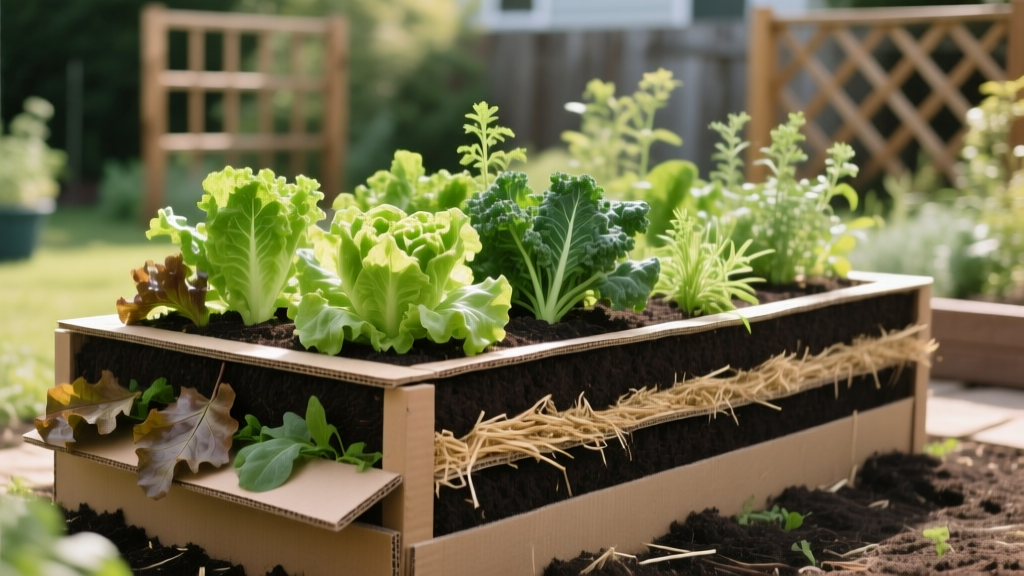
No-Dig Lasagna Gardening: Build Sustainable Raised Beds
David ParkPublished
Traditional gardening often relies on heavy tilling and synthetic fertilizers, practices that can degrade soil structure, disrupt vital microbial networks, and release stored carbon into the atmosphere. For the eco-conscious gardener, there is a vastly superior, sustainable alternative: no-dig lasagna gardening. Also known as sheet mulching, this method mimics the natural decomposition process found on forest floors, building rich, fertile soil from the top down without ever breaking ground.
Lasagna gardening is an incredibly accessible, eco-friendly method for constructing raised beds. By layering organic materials—alternating between carbon-rich 'browns' and nitrogen-rich 'greens'—you create a nutrient-dense environment that retains moisture, suppresses weeds, and sequesters carbon. Whether you are converting a patch of weedy lawn into a vegetable paradise or building a new raised bed over compacted clay, this sustainable approach eliminates the need for backbreaking labor and expensive, peat-based commercial soils.
The Ecological Benefits of No-Dig Sheet Mulching
The primary ecological advantage of no-dig gardening is the preservation of the soil food web. Tilling destroys the intricate networks of mycorrhizal fungi and earthworm tunnels that naturally aerate the soil and transport nutrients to plant roots. According to renowned horticulturist and no-dig pioneer Charles Dowding, leaving the soil undisturbed allows these beneficial organisms to thrive, resulting in healthier plants that are naturally more resistant to pests and diseases.
Furthermore, sheet mulching is a powerful tool for carbon sequestration. By continually adding organic matter to the surface rather than mixing it into the soil where it oxidizes rapidly, you lock carbon into the ground. The Environmental Protection Agency (EPA) highlights that composting and utilizing organic yard waste not only diverts material from landfills—where it would generate methane—but also enriches the soil, reducing the need for chemical fertilizers that can leach into local waterways.
Materials and Cost Breakdown for a 4x8 Foot Bed
One of the most sustainable aspects of lasagna gardening is the ability to source materials locally, often for free. Below is a practical breakdown of the materials needed to build a standard 4-foot by 8-foot raised bed, along with estimated costs and eco-friendly sourcing tips.
| Material | Quantity (4x8 Bed) | Eco-Friendly Sourcing Tip | Estimated Cost |
|---|---|---|---|
| Corrugated Cardboard | 40 sq ft | Reuse from appliance stores or grocery stores. Remove all plastic tape. | $0 |
| Vegetable-Based Compost | 16 cubic feet | Purchase from a local municipal composting facility to reduce transport emissions. | $40 - $60 |
| Seed-Free Straw | 2 bales | Source from local farms. Avoid 'hay', which contains seeds and will cause weeds. | $15 - $25 |
| Grass Clippings | 4-6 cubic feet | Use clippings from your own untreated lawn. Ensure no synthetic herbicides were used. | $0 |
| Shredded Leaves | 4-6 cubic feet | Collect from your yard or ask neighbors. Shred them with a lawnmower for faster breakdown. | $0 |
| Worm Castings | 5 lbs | Support a local vermicompost supplier or use your own compost bin harvest. | $15 - $20 |
Step-by-Step Guide to Building Your Lasagna Bed
Building a lasagna bed is straightforward, but the order and thickness of your layers are critical for optimal decomposition and moisture retention. Follow these actionable steps to construct your bed.
Step 1: Site Preparation and the Cardboard Base
Mow the existing grass or weeds in your chosen 4x8 area as short as possible. Do not dig or till the soil. Lay down overlapping sheets of plain, uncoated corrugated cardboard directly over the grass. Overlap the edges by at least 6 inches to prevent opportunistic weeds like Bermuda grass from finding a gap. Thoroughly soak the cardboard with a garden hose until it is completely saturated. This initiates the breakdown process and creates an immediate barrier against weeds while allowing earthworms to travel upward.
Step 2: The Green Layer (Nitrogen)
Add a 2 to 3-inch layer of nitrogen-rich 'green' materials. This includes fresh grass clippings, vegetable kitchen scraps, coffee grounds, and fresh manure (ensure it is well-aged if using animal manure to avoid burning plants). This layer acts as the biological engine, providing the protein that soil microbes need to multiply and begin breaking down the carbon layers. Water this layer lightly to keep the microbes active.
Step 3: The Brown Layer (Carbon)
Next, add a 4 to 6-inch layer of carbon-rich 'brown' materials. Use seed-free straw, shredded autumn leaves, pine needles, or shredded newspaper. The brown layer provides the energy (carbohydrates) for the microbes and adds bulk to the bed, ensuring it remains aerated and does not become a compacted, anaerobic sludge. Continue to alternate green and brown layers until your bed is about 18 to 24 inches high. The pile will look massive, but it will shrink by up to 75% as the materials decompose.
Step 4: The Compost Cap
Finish the bed with a 3 to 4-inch layer of high-quality, screened organic compost mixed with a handful of worm castings. This is your planting medium. The compost provides immediate nutrients and a stable structure for seeds and transplants, while the decomposing layers beneath slowly release nutrients and moisture upward throughout the growing season.
Timing: When to Build and When to Plant
The best time to build a lasagna garden is in the autumn. By constructing your bed in October or November, you give the organic materials several months over the winter to break down, integrate, and settle. The freeze-thaw cycles of winter, combined with the work of overwintering earthworms, will transform your layered pile into a cohesive, dark, crumbly soil by spring.
If you must build the bed in the spring, you can still plant immediately, but you should rely on the thick top layer of compost for your crops. Transplants like tomatoes, peppers, and squash will do exceptionally well, as their roots will stay in the nutrient-rich compost cap while the lower layers continue to compost beneath them.
What to Plant in Your First Season
Because a newly built lasagna bed is incredibly rich in nitrogen and organic matter, it is the perfect environment for 'heavy feeders.' Crops such as tomatoes, zucchini, pumpkins, sweet corn, and brassicas (like broccoli and kale) will thrive in this nutrient-dense environment, producing massive yields with minimal supplemental feeding.
However, you should avoid planting root crops like carrots, parsnips, and potatoes in the first year. The decomposing layers beneath the compost cap are still uneven and chunky. When growing roots encounter these pockets of decomposing straw and leaves, they will fork, twist, and become misshapen. Wait until the second year, when the lower layers have fully broken down into uniform soil, to grow your root vegetables.
Sustainable Maintenance and Eco-Friendly Pest Control
Maintaining a no-dig bed is significantly less labor-intensive than a tilled garden, but it requires a commitment to sustainable practices. Never walk on the bed; the 4-foot width ensures you can reach the center from either side without compacting the soil. Compaction destroys the porous structure you worked so hard to build.
At the end of every growing season, do not pull plants out by the roots. Instead, cut them off at soil level with pruning shears. The roots will decompose in place, leaving behind channels for water and air, and feeding the soil biology. Top-dress the bed annually with 1 to 2 inches of fresh compost to replenish nutrients.
For pest management, rely on companion planting and biodiversity rather than synthetic pesticides. Planting alyssum, yarrow, and dill around the borders of your raised bed attracts predatory wasps and ladybugs, which naturally control aphid populations. According to research highlighted by the University of Minnesota Extension, maintaining high levels of organic matter through continuous composting also improves soil drainage and structure, which naturally reduces the prevalence of soil-borne fungal diseases that often plague stressed plants.
By adopting the no-dig lasagna method, you are not just growing vegetables; you are actively regenerating the earth, conserving water, and creating a thriving, self-sustaining ecosystem right in your backyard.
