Gardening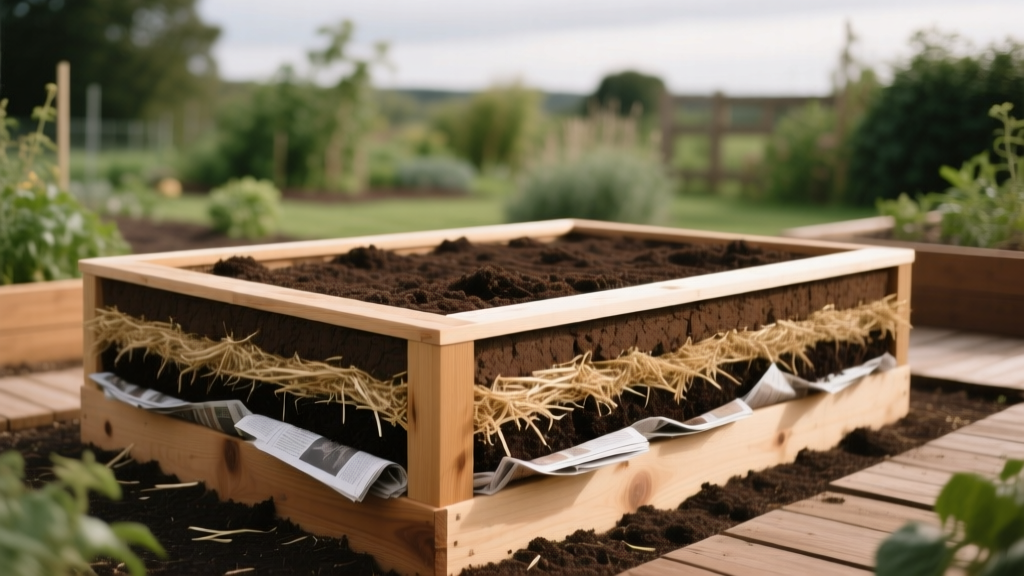
No-Till Lasagna Gardening: Build Eco-Friendly Raised Beds
Anna KowalskiPublished
The Hidden Ecological Costs of Traditional Tilling
For decades, the standard advice for preparing a garden bed has been to grab a rototiller and churn the earth. While this creates a loose, fluffy texture that is easy to plant in, the long-term ecological consequences are severe. Tilling destroys the intricate fungal networks (mycorrhizae) that help plants absorb water and nutrients. It also exposes dormant weed seeds to sunlight, triggering massive germination cycles that force gardeners to rely on chemical herbicides or endless hours of manual weeding.
Furthermore, tilling releases sequestered carbon into the atmosphere. According to the Rodale Institute, conventional tillage accelerates the decomposition of organic matter, depleting the soil of its vital humus and contributing to greenhouse gas emissions. As home gardeners seek more sustainable, eco-friendly methods, a revolutionary approach has gained immense popularity: no-till lasagna gardening.
What is No-Till Lasagna Gardening?
Lasagna gardening, scientifically known as sheet mulching, is a permaculture technique that mimics the natural soil-building process of a forest floor. Instead of digging or tilling, you build a raised garden bed by layering organic materials directly on top of the existing ground. Over time, these layers decompose, creating a rich, dark, and incredibly fertile loam that is teeming with beneficial microorganisms, earthworms, and vital nutrients.
This method is profoundly eco-friendly. It diverts yard waste and household compostables from landfills—aligning with the Environmental Protection Agency guidelines on reducing organic waste—and eliminates the need for synthetic fertilizers. By utilizing the natural carbon-to-nitrogen decomposition cycle, you create a self-sustaining ecosystem right in your backyard.
Step-by-Step Guide to Building a 4x8 Lasagna Bed
Building a no-till lasagna bed is physically easier than traditional gardening, but it requires strategic layering. Below is a comprehensive guide to constructing a standard 4-foot by 8-foot raised bed using sustainable materials.
Layer 1: The Weed Barrier (Base Layer)
Start by mowing the existing grass or weeds as short as possible. Do not pull them up; let them decompose in place. Next, lay down a thick layer of plain, uncoated corrugated cardboard. Remove all plastic tape and staples. Overlap the edges by at least 6 inches to prevent weeds from finding a gap. Wet the cardboard thoroughly with a garden hose. This layer blocks sunlight, smothering existing vegetation while eventually breaking down to feed the soil.
Layer 2: The Nitrogen Layer (Green Materials)
Nitrogen-rich materials act as the ignition for the composting process. Add a 2-inch layer of greens directly on top of the wet cardboard. Excellent sustainable sources include fresh grass clippings, coffee grounds, vegetable kitchen scraps, and seaweed. Avoid using meat, dairy, or diseased plant matter. This layer will heat up as bacteria begin breaking down the organic matter.
Layer 3: The Carbon Layer (Brown Materials)
Carbon provides the energy and bulk for your soil structure. Add a 4-inch layer of browns over the greens. Ideal materials include dried autumn leaves, weed-free straw, shredded newspaper, pine needles, and small twigs. The ideal Carbon-to-Nitrogen ratio for rapid decomposition is roughly 25:1 or 30:1, meaning you should always use roughly twice the volume of browns compared to greens. Water this layer deeply.
Layer 4: The Planting Layer (Topsoil and Compost)
If you are building your bed in the spring and need to plant immediately, you must cap your lasagna layers with a 4-to-6-inch layer of high-quality organic compost and topsoil blend. Look for OMRI-listed products to ensure no synthetic chemicals are introduced. If you build the bed in the fall, you can reduce this top layer to 2 inches, allowing the winter freeze-thaw cycles and earthworms to naturally incorporate the decomposing layers below.
Material Comparison: Carbon vs. Nitrogen Sources
Understanding the balance of your materials is crucial for a successful no-till bed. The table below outlines common household and yard materials, their classification, and their approximate breakdown times.
| Material Type | Examples | C:N Ratio | Breakdown Time |
|---|---|---|---|
| Nitrogen (Green) | Coffee grounds, vegetable scraps | 15:1 | 1 - 3 Months |
| Nitrogen (Green) | Fresh grass clippings | 20:1 | 1 - 2 Months |
| Carbon (Brown) | Dried autumn leaves | 50:1 | 6 - 12 Months |
| Carbon (Brown) | Corrugated cardboard | 350:1 | 3 - 6 Months |
| Carbon (Brown) | Shredded newspaper | 175:1 | 2 - 4 Months |
| Carbon (Brown) | Pine needles | 80:1 | 12+ Months |
Cost and Time Analysis: Traditional vs. Lasagna
One of the most compelling arguments for lasagna gardening is the significant reduction in material costs. Filling a standard 4x8-foot raised bed which is 12 inches deep with bagged organic topsoil and compost requires approximately 32 cubic feet of material. At an average cost of $6 per cubic foot for premium organic blends, a traditional fill will cost upwards of $190.
By contrast, a lasagna bed utilizes free, locally sourced waste. You only need to purchase enough compost and topsoil for the final 4-inch planting layer, roughly 10.5 cubic feet, reducing your soil costs to about $60. The initial time investment is slightly higher due to the gathering and layering of materials, but this is heavily offset by the drastic reduction in future weeding, watering, and fertilizing. According to the USDA Natural Resources Conservation Service, maintaining undisturbed soil structures drastically improves water infiltration, meaning your no-till garden will require significantly less irrigation during peak summer heat.
Eco-Friendly Benefits and Soil Microbiome Health
The true magic of the no-till lasagna method lies beneath the surface. By avoiding mechanical disruption, you protect the soil food web. Earthworms, beneficial nematodes, and mycorrhizal fungi thrive in undisturbed environments. These organisms form symbiotic relationships with plant roots, extending their reach and helping them access phosphorus, nitrogen, and water that would otherwise be locked away in the soil matrix.
Additionally, sheet mulching acts as a powerful carbon sink. As the deep layers of carbon-rich materials slowly break down into stable humus, they lock carbon into the soil rather than releasing it into the atmosphere. This makes your home garden a small but meaningful participant in global climate mitigation efforts. The thick layers of organic matter also act like a sponge, reducing water runoff and preventing the leaching of nutrients into local waterways, thereby protecting local aquatic ecosystems from harmful algal blooms caused by synthetic fertilizer runoff.
Seasonal Maintenance for Sustainable Beds
Maintaining a no-till lasagna bed is remarkably simple and aligns perfectly with sustainable gardening principles.
- Fall Prep: After your final harvest, do not pull plants out by the roots. Cut them at the soil line and leave the roots to rot, which creates aeration channels and adds organic matter. Top the bed with a fresh 2-inch layer of compost and a thick blanket of shredded leaves for winter insulation.
- Spring Planting: Push aside the winter mulch and plant directly into the rich, dark soil. There is no need to dig or turn the soil. If you encounter compaction, use a broadfork to gently lift the soil without inverting it.
- Summer Mulching: As the underlying lasagna layers continue to decompose, the soil level will naturally drop. Replenish the surface with 2 inches of weed-free straw or arborist wood chips to retain moisture and suppress weeds.
Conclusion
Transitioning to a no-till lasagna gardening method is one of the most impactful choices a home gardener can make. It transforms household and yard waste into black gold, saves money, eliminates the need for back-breaking tilling, and fosters a thriving, resilient ecosystem. By working with nature rather than fighting against it, you ensure that your garden will grow more fertile, productive, and sustainable with each passing year.
