Tree Care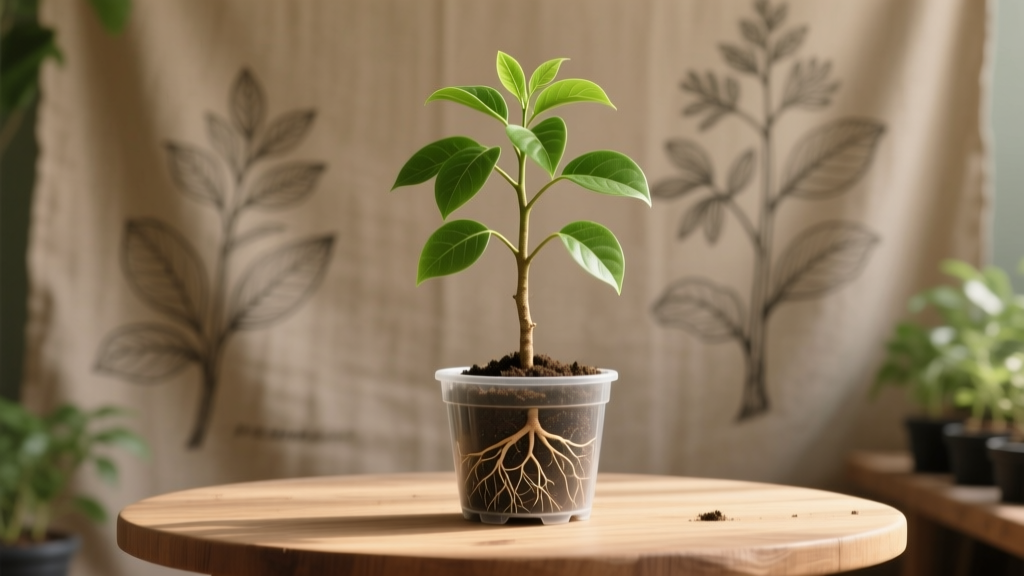
2026 Tree Selection: Visual Health Assessment Checklist
Lisa ThompsonPublished
The Critical First Step in Tree Selection and Planting
Selecting the right tree in 2026 requires far more than simply matching a species to your USDA hardiness zone or picking a tree with an attractive autumn color. With shifting climate patterns, prolonged nursery transit times, and the increasing prevalence of invasive pests, conducting a thorough tree health assessment before purchase is the most critical step in your planting guide. A visually appealing canopy can easily mask severe underlying structural or pathological issues that will plague your landscape for decades. According to the University of Minnesota Extension, planting a tree with hidden root defects or trunk injuries is one of the leading causes of premature tree failure in urban and suburban landscapes. This comprehensive visual inspection checklist will equip you with the knowledge to evaluate nursery stock like a certified arborist, ensuring your 2026 planting investment thrives for generations.
The Hidden Costs of Skipping the Visual Inspection
Many homeowners and landscape contractors fall into the trap of assuming that if a tree is being sold at a reputable nursery, it must be healthy. Unfortunately, the commercial nursery supply chain is complex. Trees are often dug in the field, transported across state lines, and held in retail lots for months under suboptimal irrigation conditions. By the time you select a tree in the spring or fall of 2026, it may have experienced severe transplant shock, container-bound root spiraling, or undetected fungal infections. Planting a compromised tree results in wasted money on the specimen itself, wasted labor and equipment costs for planting, and the eventual expense of hazardous tree removal. A rigorous visual health assessment takes less than ten minutes per tree but can save you thousands of dollars in long-term landscape maintenance and storm damage mitigation.
The 2026 Tree Health Assessment Visual Inspection Checklist
When you arrive at the nursery or garden center, do not simply look at the overall shape of the tree. Break your inspection down into three distinct zones: the canopy, the trunk, and the root system. Use the following checklist to evaluate every prospective tree.
Zone 1: Canopy and Foliage Evaluation
The canopy is the tree's primary energy-producing engine, and its condition offers immediate clues about the tree's current physiological state. In 2026, with increased instances of late-spring frosts and severe summer heat domes, foliage stress is incredibly common in retail nursery stock.
- Dieback and Twig Health: Scratch the bark on several small twigs in the lower and upper canopy. The tissue underneath (the cambium) should be vibrant green. If it is brown or brittle, that section of the canopy is dead. More than 5% dieback is a major red flag.
- Leaf Color and Turgidity: Look for chlorosis (yellowing between the veins), which often indicates severe nutrient deficiency or poor root health in the nursery pot. Check for leaf scorch, characterized by crispy, brown margins, which suggests the tree has been under-watered on the retail lot.
- Pest and Disease Signage: Inspect the undersides of leaves for aphid honeydew, spider mite webbing, or the tell-tale D-shaped exit holes of invasive borers. With the continued spread of pests like the Emerald Ash Borer and Asian Longhorned Beetle, buying an infested tree can introduce devastating pathogens to your entire property.
Zone 2: Trunk and Bark Integrity
The trunk is the structural and vascular highway of the tree. Damage here is often fatal or creates severe hazard risks as the tree matures. The Penn State Extension emphasizes that trunk wounds sustained in the nursery rarely heal properly and serve as entry points for decay fungi.
- Trunk Taper: A healthy tree should exhibit a noticeable taper, being wider at the base and gradually narrowing toward the top. Trees that look like straight poles lack the structural reinforcement needed to withstand high winds.
- Bark Damage and Sunscald: Carefully examine the trunk for gouges, scrapes, or missing bark caused by nursery tractors or string trimmers. Pay special attention to the south and west-facing sides of the trunk for sunscald, which appears as vertical cracking or peeling bark, common in thin-barked species like Maples and Beeches.
- Graft Unions: If you are purchasing a grafted cultivar (common in Japanese Maples or ornamental Crabapples), inspect the graft union. It should be smooth, well-healed, and slightly swollen. Avoid trees with deep crevices, oozing sap, or signs of rot at the graft site.
Zone 3: The Root Flare and Soil Line
The most critical, yet most frequently ignored, aspect of tree selection is the root system. As highlighted by experts at The Morton Arboretum, planting depth and root architecture dictate a tree's long-term survival more than almost any other factor.
- Locating the Root Flare: The root flare (where the trunk widens and transitions into the structural roots) MUST be visible at the soil surface. Gently brush away the top inch or two of soil in the container or root ball. If you only see a straight trunk disappearing into the dirt like a fence post, the tree was planted too deeply in the nursery and is at high risk for girdling roots and trunk rot.
- Weed and Moss Presence: A thick layer of moss, algae, or weeds on the soil surface of a container tree indicates chronic overwatering and poor drainage, which leads to root asphyxiation and Phytophthora root rot.
Root System Evaluation by Tree Type: A Structured Comparison
Trees are sold in three primary formats, each requiring a specific visual inspection approach. Use the table below to guide your assessment based on the stock type available at your local nursery.
| Tree Format | Visual Cues of Excellent Health | Red Flags (Reject the Tree) |
|---|---|---|
| Container-Grown | Firmly rooted but easily slides from pot; white/light-tan feeder roots visible at drainage holes; soil is moist but not waterlogged. | Thick, woody roots circling the perimeter of the pot; roots growing out of the top of the soil; sour or anaerobic soil odor. |
| Balled & Burlapped (B&B) | Root ball is firm and intact; burlap is natural and tightly secured; trunk does not wobble independently of the root ball. | Root ball is cracked, crumbling, or feels loose around the trunk; synthetic burlap or plastic twine is wrapped tightly around the trunk. |
| Bare-Root | Roots are kept in moist wood shavings or mulch; fine feeder roots are abundant and pliable; bark on roots is firm. | Roots are desiccated, brittle, or exposed to direct sun and wind; roots show signs of mold, sliminess, or severe freezing damage. |
Essential Tools for the 2026 Tree Inspector
To conduct a professional-grade visual health assessment, bring a small inspection kit with you to the nursery. While your eyes are your best tool, a few inexpensive items will reveal hidden defects:
- 10x Jeweler's Loupe or Smartphone Macro Lens: Essential for identifying early-stage mite infestations, scale insects, or the precise margins of fungal leaf spots that are invisible to the naked eye.
- Hand Trowel or Soil Knife (Hori Hori): Use this to gently excavate the top 2-3 inches of soil in a container to locate the buried root flare and check for circling girdling roots before you even purchase the tree.
- Digital Soil Moisture Probe: Retail nursery irrigation schedules are notoriously inconsistent. A quick probe insertion will tell you if the root ball is bone-dry in the center (hydrophobic) or sitting in anaerobic mud.
- Bypass Pruning Shears: Useful for making a clean, angled cut on a small twig to verify the color of the cambium layer and check for internal vascular streaking caused by diseases like Verticillium wilt.
Absolute Red Flags: When to Walk Away
No matter how rare the cultivar or how steep the discount, immediately reject any tree exhibiting the following fatal flaws. These issues cannot be corrected through proper planting or aftercare:
- Severe Girdling Roots: If you uncover the root flare and find thick roots wrapping around the base of the trunk and choking it, walk away. These will eventually strangle the tree's vascular system.
- Co-Dominant Stems with Included Bark: If the tree has two main leaders (trunks) of equal size growing from the same point, and the bark is pinched inward between them, the union is structurally compromised and highly likely to split in future storms.
- Active Fungal Fruiting Bodies: The presence of mushrooms, conks, or bracket fungi on the trunk or at the soil line indicates advanced internal heart rot. The tree is already decaying from the inside out.
- Crown Dieback Exceeding 10%: While minor tip dieback can sometimes be pruned, widespread death in the upper canopy indicates severe, irreversible root failure or systemic vascular disease.
Conclusion: Investing in a Healthy Future
The success of your 2026 landscape design hinges entirely on the quality of the raw materials you plant. By integrating this visual health assessment checklist into your tree selection process, you transition from a passive consumer to an informed steward of your landscape. Taking the time to scrutinize the canopy, evaluate the trunk, and expose the root flare ensures that the tree you bring home is biologically prepared to establish, grow, and provide ecological and aesthetic benefits for decades to come. Never compromise on the initial health of the specimen; a flawless planting technique cannot save a fundamentally defective tree.
