Tree Care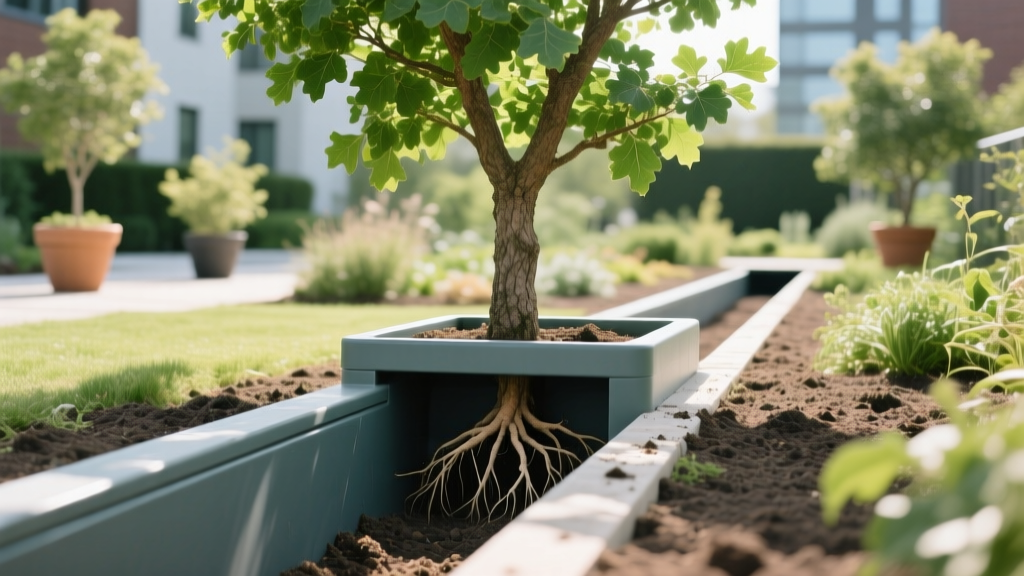
Oak Wilt Prevention: Trenching & Container Care 2026
Emily WatsonPublished
The Rise of Containerized Oak Specimens in 2026
Container and pot gardening has evolved far beyond simple patio flowers and small shrubs. In 2026, landscape architects and urban gardeners are increasingly utilizing large-scale architectural planters, Corten steel raised beds, and heavy-duty smart pots to grow specimen oak trees (Quercus spp.) in controlled environments. Whether you are cultivating a Live Oak (Quercus virginiana) in a massive courtyard planter or nurturing a Red Oak (Quercus rubra) sapling in a fabric grow bag, containerization offers unparalleled control over soil composition, drainage, and root architecture. However, this controlled environment does not make your trees immune to devastating pathogens. Oak wilt, caused by the fungal pathogen Bretziella fagacearum, remains a critical threat to oak populations across North America, and containerized trees require specialized defensive strategies.
While many gardeners assume that a tree planted in a pot is entirely isolated from soil-borne diseases, the reality of landscape integration is far more complex. When containerized oaks are placed on soil, integrated into raised beds, or grouped in patio zones adjacent to infected landscape trees, they become highly vulnerable. Understanding the intersection of container gardening and the Texas A&M Forest Service's oak wilt management guidelines is essential for preserving your high-value potted specimens.
Understanding the Threat to Potted and Raised-Bed Oaks
Oak wilt spreads primarily through two mechanisms: root graft transmission and sap beetle vectors. In a traditional landscape, roots from adjacent trees intertwine and graft together, allowing the fungus to move directly from an infected tree to a healthy one. You might wonder how this applies to a tree sitting in a container. The risk emerges in several specific scenarios common in modern container gardening:
- Root Escape and Grafting: If your container sits directly on the soil or over a permeable geotextile membrane, oak roots will eventually escape through the drainage holes. These escaped roots can graft with the root systems of nearby, potentially infected landscape oaks.
- Shared Soil Networks in Raised Beds: Large architectural planter beds often share a continuous soil base with the surrounding landscape. If the barrier between the planter soil and the native soil is compromised, fungal spores and root grafts can bridge the gap.
- Contaminated Potting Media and Mulch: Using unsterilized soil, compost, or mulch that contains wood chips from an infected oak can introduce the fungus directly into your container environment.
- Tool Contamination: Pruning tools used on infected landscape trees and subsequently used on your prized containerized oaks without proper sterilization can transmit the disease via fresh wounds.
The Trenching Containment Method for Container Zones
When protecting a dedicated container garden zone or a large raised planter bed from surrounding infected landscape trees, the trenching containment method is the gold standard. According to research highlighted by the University of Wisconsin-Madison Extension, trenching disrupts the root graft network, effectively quarantining healthy trees from infected ones. In the context of container and raised-bed gardening, trenching is used to isolate the entire placement zone or the perimeter of a raised planter bed from the native soil network.
If your patio features a collection of containerized oaks, and the adjacent yard contains an oak showing signs of wilt, you must trench the perimeter of the patio or planter zone. This prevents any subterranean root connections or fungal mat expansions from crossing into your containerized sanctuary.
Step-by-Step Trenching for Container and Planter Zones
Executing a trenching containment strategy requires precision and the right equipment. As of 2026, renting a vibratory plow or a specialized trenching machine is highly recommended over manual digging to ensure consistent depth and minimal soil disruption.
- Map the Perimeter: Identify the boundary between your container/planter zone and the adjacent landscape where infected trees reside. The trench must be placed at least 3 to 4 feet away from the trunk of any tree you are trying to protect to avoid severing its primary structural roots.
- Dig to the Correct Depth: The trench must be a minimum of 48 inches deep. In 2026, most professional arborists utilize vibratory plows equipped with 4-inch wide blades to achieve this depth efficiently. Shallow trenches (under 36 inches) are ineffective, as deep lateral roots will simply bypass the barrier.
- Clear the Trench: Remove any visible roots crossing the trench. For container zones placed on soil, this severs any escaped roots that may have grafted with the native soil network.
- Install a Root Barrier (Optional but Recommended): To provide permanent protection for your container garden zone, insert a high-density polyethylene (HDPE) root barrier into the trench before backfilling. The barrier should extend at least 2 inches above the soil line to prevent roots from growing over the top.
- Backfill and Compact: Refill the trench with the excavated soil, compacting it in 6-inch layers to prevent settling and water pooling around your container bases.
Container Hygiene and Soil Management Strategies
Beyond trenching the perimeter of your container zone, internal hygiene within the pots and planters is paramount. The confined space of a container means that any introduced pathogen has immediate access to the entire root mass of your oak tree.
Sterilizing Containers: Before planting a new oak in a recycled or previously used container, you must sterilize the interior. In 2026, the recommended protocol is to scrub the container with a solution of 1 part household bleach to 9 parts water, or use a commercial quaternary ammonium disinfectant. This is especially critical for porous containers like terracotta or unglazed ceramic, which can harbor fungal spores in their microscopic pores.
Selecting the Right Potting Mix: Never use native soil or unverified compost for containerized oaks. Opt for a sterile, well-draining, bark-based potting mix. Avoid mulches made from shredded oak wood unless you are absolutely certain the source trees were disease-free and the wood was properly composted at high temperatures to kill Bretziella fagacearum. Instead, use pine bark nuggets or inorganic gravel mulches on the surface of your containers to retain moisture and prevent soil splashing.
Elevating Containers: To completely eliminate the risk of root escape and subsequent grafting with native soil, elevate your containers. Using heavy-duty pot feet, steel risers, or casters creates an air gap between the drainage holes and the ground. This air-pruning technique not only prevents root grafts but also promotes a healthier, more fibrous root system inside the pot.
Pruning Protocols and Tool Sanitation
Pruning is a necessary part of maintaining the structural integrity and aesthetic form of a containerized oak. However, fresh wounds are the primary entry points for sap beetles carrying oak wilt spores. The timing of your pruning is just as critical as the technique.
Seasonal Timing: Never prune oaks during the high-risk spring and early summer months (typically February through June, depending on your hardiness zone) when sap beetle populations are peaking. The safest time to prune containerized oaks is during the dormant winter months (December and January) or during the heat of late summer (August and September) when beetle activity is lowest.
Tool Sanitation: If you are managing both landscape trees and containerized oaks, you must sanitize your tools between every single tree. Wiping blades with a rag is insufficient. In 2026, arborists recommend spraying pruning shears, loppers, and saws with 70% isopropyl alcohol or a dedicated horticultural disinfectant, allowing the solution to sit on the metal for at least 60 seconds before making the next cut.
Wound Sealing: Immediately after making a pruning cut on an oak, apply a commercial tree wound paint or pruning sealer. While wound sealing is generally discouraged for most tree species due to the risk of trapping decay, oaks are the notable exception. Sealing the cut prevents sap beetles from detecting the fresh sap flow and landing on the wound to deposit fungal spores.
Comparison Table: Oak Wilt Defense Strategies for Container Zones
Choosing the right combination of defense strategies depends on your specific container setup, budget, and the level of oak wilt pressure in your immediate area. Below is a comparison of the primary methods utilized by container gardeners and landscape architects in 2026.
| Defense Strategy | Application Method | Estimated 2026 Cost | Effectiveness for Containers |
|---|---|---|---|
| Perimeter Trenching | Vibratory plow around the patio/planter zone (48" deep) | $12 - $18 per linear foot (professional) | High (Prevents external root grafts) |
| HDPE Root Barrier | Installed inside the perimeter trench | $4 - $7 per linear foot (material only) | Very High (Permanent physical block) |
| Container Elevation | Using steel risers or pot feet (3"+ air gap) | $30 - $80 per container | High (Prevents root escape/grafting) |
| Fungicide Injection | Propiconazole injected into the root flare | $15 - $25 per inch of trunk diameter | Moderate (Protects tree, not the zone) |
| Tool Sanitation | 70% Isopropyl alcohol between cuts | Under $20 per season | High (Prevents mechanical transmission) |
Managing an Active Infection in a Containerized Oak
If you notice the telltale signs of oak wilt—such as rapid leaf bronzing, wilting starting from the top of the canopy downward, and premature defoliation—in one of your containerized oaks, immediate and aggressive action is required. Because the container environment limits the tree's overall mass and root spread, the disease can progress rapidly, but it also makes containment somewhat easier than in a massive landscape tree.
First, isolate the infected container. If it is grouped with other oaks, move it immediately to a quarantine zone away from healthy specimens. Do not compost the soil, leaves, or wood from the infected tree. The entire contents of the container, including the potting mix and the tree itself, must be disposed of in sealed heavy-duty contractor bags or burned, in accordance with local municipal regulations. The container must then be subjected to the rigorous sterilization protocol mentioned earlier before it is ever used again.
For adjacent, uninfected containerized oaks that share the same patio zone, consider a preventative fungicide injection. Macro-infusion of propiconazole (commonly known by the trade name Alamo) by a certified arborist can provide up to two years of systemic protection against the fungus. In 2026, newer formulations and micro-injection techniques have made this process less invasive, reducing the risk of secondary infections at the injection sites.
Conclusion: Vigilance is the Key to Container Success
Growing majestic oak trees in containers and raised planter beds is a rewarding endeavor that brings architectural beauty and shade to spaces where traditional planting is impossible. However, the assumption that a pot provides a natural fortress against disease is a dangerous misconception. By implementing the trenching containment method around your container zones, elevating your planters to prevent root escape, and adhering to strict pruning and sanitation protocols, you can effectively shield your trees from oak wilt.
As container gardening techniques continue to advance in 2026, integrating these proactive tree care strategies ensures that your potted oaks remain vibrant, healthy, and disease-free for decades to come. Always consult with a certified arborist or your local university extension office at the first sign of canopy distress to safeguard your valuable landscape investments.
