Tree Care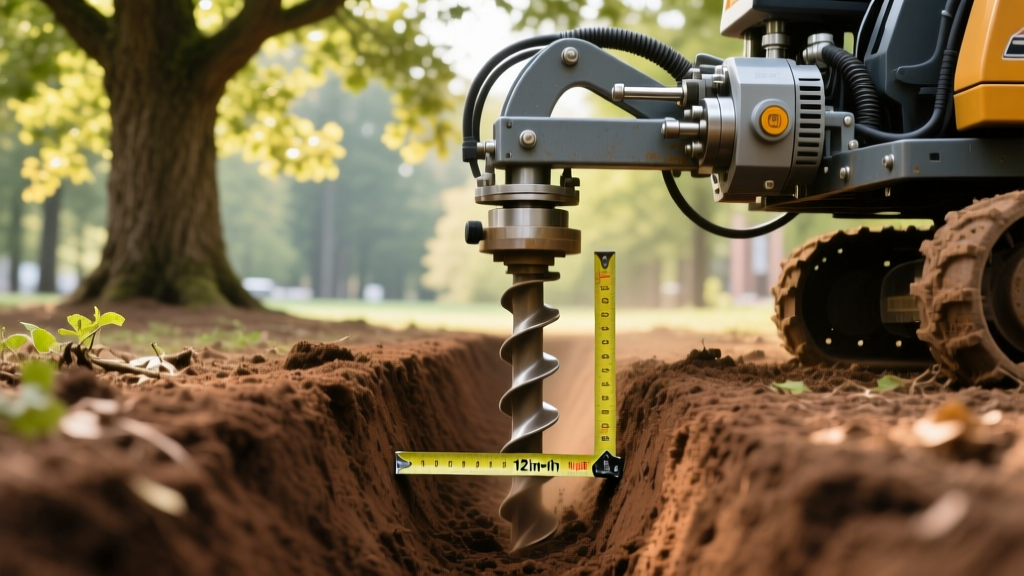
2026 Oak Wilt Trenching Guide: Vibratory Containment
The Canopy vs. The Soil: A Pest Expert’s Perspective on Oak Wilt
As a tree care specialist who spends the majority of the spring and early summer managing canopy defoliators like fall webworms (Hyphantria cunea) and Eastern tent caterpillars (Malacosoma americanum), my eyes are almost always trained upward. When dealing with web worms, the battlefield is in the branches. We utilize targeted aerial applications of Bacillus thuringiensis (Bt), prune out silken nests, and manage localized defoliation to protect the tree's photosynthetic capacity. It is a manageable, above-ground nuisance.
However, when a client calls me in mid-summer reporting that their live oaks or red oaks are suddenly dropping brown, veiny leaves, I know my aerial lift and spray rig are entirely useless. This is Oak Wilt, and the battlefield is not in the canopy—it is deep in the soil. Caused by the invasive fungal pathogen Bretziella fagacearum, Oak Wilt is a lethal vascular disease. Unlike web worms, which merely chew on foliage, this fungus invades the xylem, prompting the tree to form tyloses and gums that effectively choke its own water transport system to death. While web worm damage is largely cosmetic and recoverable, Oak Wilt is a fatal sentence if left unchecked.
In 2026, the most effective, non-chemical method for halting the subterranean spread of this disease remains the mechanical trenching containment method. Here is my comprehensive, expert guide to executing a successful oak wilt trenching operation this season.
The Subterranean Threat: How Root Grafts Spread the Fungus
To understand why we must cut the earth, you must understand how the fungus moves. While sap-feeding nitidulid beetles can carry fungal spores to fresh pruning wounds or storm damage (a threat we mitigate by avoiding spring pruning and painting wounds), the vast majority of Oak Wilt transmission—up to 90% in dense live oak mottes—occurs underground through root grafts.
When oak trees of the same species grow in close proximity, their roots intertwine and naturally graft together, sharing water and nutrients. Unfortunately, they also share pathogens. Once Bretziella fagacearum enters a tree's vascular system, it travels down into the roots and crosses these grafts into neighboring, seemingly healthy trees. According to the experts at Texas Oak Wilt, mechanical severing of these root connections via trenching is the single most reliable way to create a physical barrier that stops the disease from advancing into uninfected zones.
The 2026 Trenching Containment Method: Step-by-Step
Unlike spraying for web worms, which requires precise timing with insect life cycles, trenching requires precise spatial mapping and heavy machinery. Here is the standard operating procedure for establishing a containment line in 2026.
Step 1: Mapping the Infection Center and Buffer Zone
Before a single trench is dug, we must identify the exact perimeter of the infection. We mark all trees showing active, symptomatic leaf bronzing and defoliation. From the outermost symptomatic tree, we measure a minimum buffer zone of 100 feet in all directions. This 100-foot radius is where the trench will be placed. The goal is to sever the root grafts ahead of the advancing fungal front, which typically moves through live oak root systems at a rate of 100 feet per year.
Step 2: Selecting the Right Earth-Moving Equipment
You cannot simply use a standard landscaping bed-edger. Oak roots are thick, resilient, and capable of re-grafting if not cleanly and deeply severed. In 2026, arborists and land managers rely on two primary pieces of heavy machinery, depending on the local geology:
- Vibratory Plows: Ideal for clay, loam, and sandy soils. These machines use a vibrating blade to slice cleanly through roots up to 4 inches in diameter without the massive soil disruption of a traditional trencher.
- Rock Saws (e.g., Vermeer RTX550 or Ditch Witch C16X attachments): Mandatory for regions with heavy limestone, caliche, or rocky substrates (such as Central Texas). Rock saws grind through solid stone and thick taproots alike, ensuring a continuous, unbroken barrier.
Step 3: Achieving Critical Depth
The most common reason trenching fails is inadequate depth. Oak roots can plunge deep in search of water. The University of Minnesota Extension and leading forestry pathologists universally mandate a minimum trench depth of 48 inches. In areas with deep, sandy soils or where taproots are known to dive, a depth of 60 inches is required to ensure no subordinate roots bypass the barrier.
2026 Equipment & Cost Comparison Matrix
Budgeting for Oak Wilt containment is a major consideration for homeowners and municipal managers. Below is the 2026 pricing and application matrix for the primary trenching methods used by certified arborists.
| Equipment Method | Target Depth | Best Soil Type | 2026 Avg Cost / Linear Ft | Pros & Cons |
|---|---|---|---|---|
| Vibratory Plow | 48 inches | Clay, Loam, Sand | $10 - $16 | Fast, minimal surface disruption; fails in solid rock. |
| Rock Saw | 48 - 60 inches | Limestone, Caliche, Rocky | $28 - $45 | Guarantees total severance; highly destructive to turf/hardscape. |
| Backhoe / Excavator | 48+ inches | Varies (Urban access) | $18 - $25 | Highly maneuverable in tight yards; requires manual backfill. |
Note: Costs do not include site restoration, turf replacement, or hardscape repair, which can add 20-30% to the final invoice.
Timing, Seasonal Restrictions, and Wound Care
When managing web worms, timing is everything; you must spray when larvae are young and actively feeding. Oak Wilt trenching, however, can be executed year-round. The physical severing of roots is effective regardless of the season. That said, there are critical operational rules to follow:
- Do Not Trench Through Symptomatic Trees: Never place your trench line inside the infection zone. Cutting the roots of an actively dying, infected tree can actually accelerate the movement of the fungus into the remaining root system, pushing it past your barrier before the trench is even completed.
- Wound Painting: While we generally advise against pruning sealants for normal tree care (as they trap moisture and encourage rot), Oak Wilt is the exception. Any oak root or trunk wound created during the trenching or cleanup process must be immediately painted with a commercial tree wound paint or latex-based paint to prevent sap beetles from introducing new spores.
- Equipment Sanitation: Just as we sanitize pruning shears between trees to prevent cross-contamination, trencher blades and rock saw teeth must be pressure-washed and treated with a disinfectant before moving from an infected property to a healthy one.
Post-Trenching: Protecting the Buffer Trees
Once the physical trench is established, the trees located between the symptomatic zone and the trench line (the buffer trees) are at high risk. They may already harbor the fungus in their roots, even if they show no canopy symptoms yet.
In my practice, I pair mechanical trenching with preventative chemical intervention for these high-value buffer trees. We utilize macro-infusions of Propiconazole (commonly sold under the brand name Alamo). This systemic fungicide is injected directly into the root flare and carried upward by the xylem, protecting the tree from the inside out. As of 2026, Propiconazole injections cost between $15 and $22 per inch of trunk diameter at breast height (DBH). While this is a significant investment, it is vastly cheaper than the $1,500 to $3,000 it costs to safely remove and dispose of a mature, 30-inch dead oak tree.
Conclusion: Respect the Root Zone
Transitioning from canopy pest management to subterranean disease containment requires a fundamental shift in perspective. Web worms and tent caterpillars are loud, messy, and visually alarming, but they rarely kill a healthy, established oak. Oak Wilt is a silent, underground assassin. By utilizing the 2026 vibratory trenching and rock saw containment methods, mapping precise 100-foot buffer zones, and supplementing with Propiconazole injections, we can draw a hard line in the soil and save our urban forests from total devastation. If you suspect Oak Wilt on your property, put down the pruning shears, call a certified arborist, and start mapping your trench.