Gardening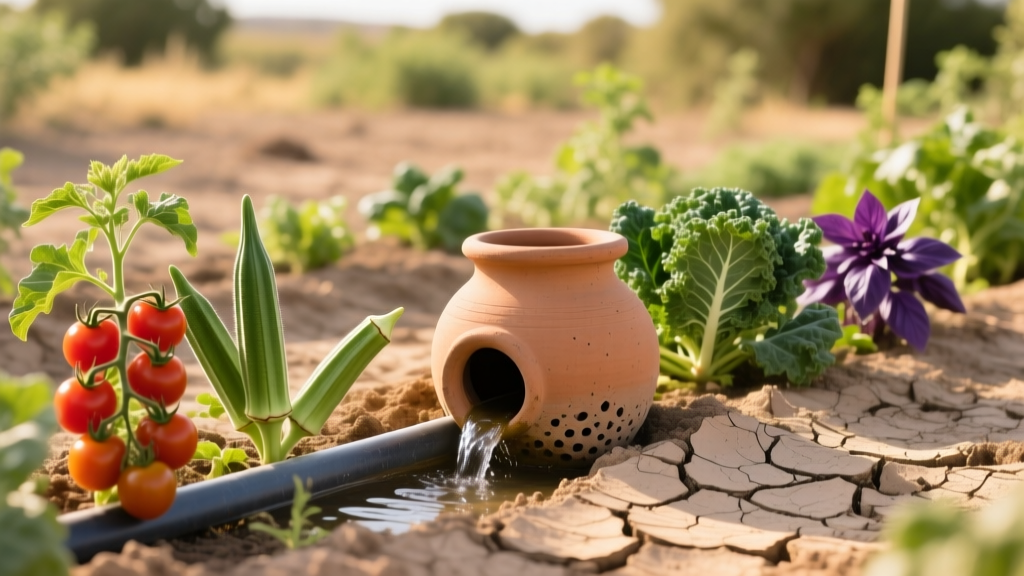
Drought-Proof Your Vegetable Garden With Clay Olla Irrigation
Anna KowalskiPublished
The Ancient Secret to Drought-Proof Gardening
As climate patterns shift and seasonal water restrictions become a frustrating norm for many home gardeners, maintaining a productive vegetable garden can feel like an uphill battle. Traditional overhead sprinklers lose massive amounts of water to wind drift and evaporation, while shallow drip lines often fail to encourage deep, resilient root systems. If you are looking for a water-wise, drought-tolerant solution that drastically reduces your outdoor water footprint while boosting crop yields, it is time to look to the past. Subsurface clay pot irrigation, commonly known as olla (pronounced 'oy-yah') irrigation, is an ancient technique that is making a massive resurgence in modern permaculture and xeriscaping.
According to the Environmental Protection Agency (EPA), outdoor water use accounts for nearly 30% of total household water use, with traditional irrigation methods wasting up to 50% of that water due to evaporation and runoff. By shifting to a subsurface delivery system like the olla, home gardeners can eliminate surface evaporation almost entirely, delivering water directly to the root zone exactly when the plant needs it.
The Science of Subsurface Clay Pot Irrigation
An olla is an unglazed, porous terracotta vessel that is buried in the garden bed up to its neck and filled with water. The science behind this system relies on soil moisture tension and capillary action. When the surrounding soil dries out, the plant roots extract moisture, creating a negative pressure gradient. This tension pulls water through the microscopic pores of the unglazed clay and into the soil matrix. Conversely, when the soil is saturated after a heavy rain or deep watering, the moisture tension equalizes, and the olla stops seeping water. This creates a foolproof, self-regulating irrigation system that prevents both underwatering and root rot.
The USDA Natural Resources Conservation Service frequently highlights subsurface irrigation as a premier method for arid and semi-arid agricultural zones, noting its ability to reduce water consumption by 50% to 70% compared to conventional surface irrigation. Because the water is delivered below the soil line, weed seeds on the surface are deprived of the moisture they need to germinate, significantly reducing your weeding chores.
Step-by-Step Guide to Installing Ollas
Setting up an olla system is straightforward, but proper placement and soil preparation are critical for maximizing the capillary draw. Here is how to install a system in a standard 4x8 foot raised bed or in-ground garden row.
Step 1: Selecting the Right Vessel
You do not need expensive, artisan-crafted pots to get started. Standard unglazed terracotta planters from your local garden center work perfectly. For a standard raised bed, 1-gallon to 3-gallon pots are ideal. Ensure the pot has no glaze, paint, or sealants, as these will block the porous capillary action. You will also need a stopper for the top—a terracotta saucer, a flat stone, or a specialized cork lid to prevent mosquitoes from breeding inside and to stop debris from falling in.
Step 2: Soil Preparation and Spacing
Ollas work best in loose, loamy soil. Heavy, compacted clay soils will restrict the lateral movement of water, while extremely sandy soils may drain water too quickly for the capillary action to hold. Amend your garden bed with 2 to 3 inches of high-quality compost to improve soil structure and moisture retention. Dig a hole deep enough to bury the olla so that only the top 1 to 2 inches of the rim remain above the soil surface. This prevents surface soil and mulch from washing into the pot during heavy rains.
Step 3: Planting and Mulching
Plant your vegetable seedlings or seeds in a circular pattern around the buried olla. The effective watering radius of a 1-gallon olla is typically 12 to 18 inches, while a 3-gallon olla can effectively water a 24 to 30-inch radius. After planting, apply a 3-inch layer of organic mulch, such as straw or shredded leaves, over the entire soil surface. The University of California Agriculture and Natural Resources division strongly recommends organic mulching in drought conditions, as it lowers soil temperatures by up to 10 degrees and further eliminates surface evaporation, working in perfect synergy with your subsurface ollas.
Cost and Efficiency Comparison Chart
When planning a drought-resilient garden, evaluating the upfront costs against long-term water savings is essential. Below is a comparison of common irrigation methods for a standard 4x8 foot raised bed.
| Irrigation Method | Upfront Cost (4x8 Bed) | Water Efficiency | Evaporation Loss | Maintenance Level |
|---|---|---|---|---|
| Clay Olla (Subsurface) | $45 - $90 | 90% - 95% | Near Zero | Low (Refill 2x/week) |
| Drip Tape / Line | $30 - $60 | 75% - 85% | Low to Moderate | High (Clogs/Leaks) |
| Soaker Hose | $25 - $40 | 60% - 70% | Moderate | High (Degrades in UV) |
| Overhead Sprinkler | $40 - $80 | 40% - 50% | Very High | Moderate |
While the initial investment for terracotta ollas may be slightly higher than disposable soaker hoses, ollas can last for many seasons if properly winterized, making them highly cost-effective over time. Furthermore, the elimination of surface water drastically reduces fungal diseases like powdery mildew and blight, which thrive on wet foliage.
Best Drought-Tolerant Crops for Olla Systems
While almost any plant can benefit from subsurface irrigation, certain drought-tolerant and deep-rooted crops thrive exceptionally well when paired with an olla system. Here are the top performers for water-wise gardens:
- Indeterminate Tomatoes: Tomatoes are notorious for developing blossom end rot when soil moisture fluctuates. The consistent, even moisture provided by an olla eliminates this issue entirely. Plant 2 to 3 tomato plants within an 18-inch radius of a 2-gallon olla.
- Bell and Hot Peppers: Peppers love deep, consistent watering but hate sitting in waterlogged topsoil. Ollas provide the perfect subterranean moisture gradient. Plant 3 to 4 pepper plants around a single olla.
- Cowpeas and Black-Eyed Peas: These legumes are incredibly heat and drought-tolerant. When paired with an olla, they will produce massive yields even during peak summer heatwaves when other beans drop their blossoms.
- Swiss Chard and Kale: Leafy greens typically bolt or turn bitter when subjected to drought stress. The steady water supply keeps the leaves tender, sweet, and productive well into the late summer.
- Zucchini and Summer Squash: These heavy feeders require vast amounts of water. Bury a large 3-gallon olla in the center of a hill and plant 3 squash seeds around the perimeter. The deep taproots will quickly find the clay pot and latch on.
Seasonal Maintenance and Winterizing
To ensure your ollas last for years, basic maintenance is required. Over time, the microscopic pores of the terracotta can become clogged with mineral deposits from hard water or fine soil particles. Once a season, pull the ollas from the ground and scrub the outside with a stiff brush and a solution of one part white vinegar to four parts water. This dissolves calcium buildup and restores the clay's natural porosity.
Winterizing is absolutely critical if you live in a climate that experiences freezing temperatures. Water expands when it freezes, and if an olla is left in the ground full of water during a hard freeze, the terracotta will crack and shatter. Before your first frost, drain the ollas completely, dig them up, clean them, and store them in a dry garage or shed until spring. If you are utilizing a permanent in-ground garden bed where digging them up is impractical, ensure they are completely dry and stuff them with dry leaves or straw to allow for any residual moisture expansion, though removal is always the safest option.
Final Thoughts on Water-Wise Gardening
Adapting to drought conditions does not mean sacrificing a bountiful harvest. By integrating clay olla irrigation into your garden design, you are adopting a resilient, low-tech, and highly efficient watering strategy that works in harmony with natural soil physics. Not only will you slash your water bill and comply with municipal watering restrictions, but you will also cultivate a healthier, more robust root system that empowers your vegetables to withstand the harshest summer heat. Start with a single raised bed this season, observe the remarkable water savings, and watch your drought-proof garden flourish.
