Gardening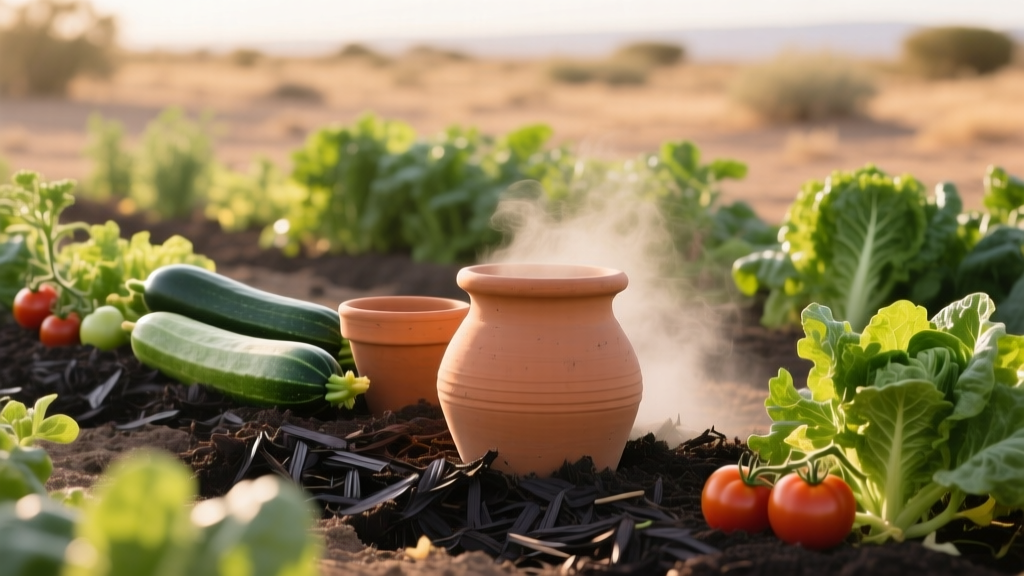
Drought-Proof Vegetable Gardens Using Olla Irrigation
Robert HayesPublished
The Challenge of Drought in Vegetable Gardening
As climate patterns shift and water restrictions become more common across North America, home gardeners are facing unprecedented challenges in keeping their vegetable plots hydrated. According to the EPA WaterSense program, outdoor water use accounts for nearly 30 percent of total household water consumption, with landscape and garden irrigation being the primary culprit. Traditional overhead sprinklers lose massive amounts of water to evaporation and wind drift, while standard surface drip lines can still suffer from shallow wetting patterns that encourage weak root growth.
For the water-wise gardener, the goal is to deliver moisture directly to the root zone while minimizing surface evaporation. Enter the olla (pronounced oy-yah), an ancient, unglazed clay pot irrigation system that is experiencing a massive revival in modern permaculture and drought-resilient gardening. When paired with deep mulching and targeted soil amendments, ollas can reduce your garden water usage by up to 70 percent while significantly boosting crop yields.
The Science Behind Olla Irrigation
Ollas are simple, unglazed terracotta vessels that are buried in the soil up to their necks and filled with water. The magic lies in the physics of soil moisture tension, also known as matric potential. Because the clay is porous and unglazed, water slowly seeps through the microscopic walls of the pot. However, this seepage is not constant; it is entirely driven by the moisture level of the surrounding soil.
When the soil is dry, the roots of your vegetables create a suction effect that pulls water through the clay walls. When the soil is adequately moist, the tension equalizes, and the water stops seeping. This creates a perfectly self-regulating, on-demand irrigation system that prevents both underwatering and overwatering. Furthermore, because the water is delivered below the soil surface, surface evaporation is virtually eliminated, and weed seeds on the topsoil are deprived of the moisture they need to germinate.
Step-by-Step Guide to Installing Ollas
Installing an olla system requires a bit of upfront labor, but the long-term water savings and plant health benefits are immense. Here is how to set up your system for maximum efficiency.
1. Select the Right Size and Shape
Ollas come in various capacities, typically ranging from 1 quart to 3 gallons. For standard raised beds (4 feet wide by 8 feet long), a 2-gallon to 3-gallon olla is ideal. Brands like Duda Energy or local artisan pottery shops offer purpose-made garden ollas with wide bellies and narrow necks, which maximize the underground watering radius while minimizing the surface opening.
2. Digging and Placement
Dig a hole deep enough so that only the top 2 inches of the olla neck remain above the soil line. This exposed neck prevents surface runoff, soil debris, and insects from entering the water reservoir. Space your ollas based on their capacity and the root spread of your target crops. For a 4x8 raised bed, placing one 3-gallon olla in the center of each 4x4 square foot quadrant ensures complete coverage.
3. Packing the Soil
As you backfill the hole around the buried olla, press the soil firmly against the clay walls to eliminate air pockets. Air gaps will break the soil-to-clay tension, halting the water seepage. Water the surrounding soil thoroughly immediately after installation to jumpstart the matric pull.
Olla Sizing and Spacing Chart
| Olla Capacity | Watering Radius | Ideal Crops | Avg. Cost | Refill Frequency (Summer) |
|---|---|---|---|---|
| 1 Quart | 8 to 12 inches | Container herbs, lettuce, radishes | $10 - $15 | Daily |
| 1 Gallon | 12 to 18 inches | Peppers, bush beans, Swiss chard | $18 - $25 | Every 2 to 3 days |
| 2 Gallon | 18 to 24 inches | Tomatoes, eggplants, cucumbers | $30 - $40 | Every 3 to 5 days |
| 3 Gallon | 24 to 36 inches | Squash, melons, deep-rooted perennials | $45 - $60 | Every 5 to 7 days |
Drip Irrigation vs. Olla: A Cost and Efficiency Comparison
Many gardeners default to polyethylene drip tape or soaker hoses. While better than sprinklers, these systems have drawbacks. Drip lines are prone to clogging from mineral deposits, suffer from UV degradation, and often water only the top 4 inches of soil unless left running for extended periods. Ollas, by contrast, require zero water pressure, never clog with calcium buildup, and naturally draw roots downward toward the moisture source, creating deeply anchored, drought-resilient plants. While a drip system might cost slightly less upfront (around $30 for a basic raised bed kit), the replacement costs of tubing, emitters, and filters make ollas more cost-effective over a five-year period.
Pairing Ollas with Deep Mulching Techniques
An olla system is only half of the water-wise equation. To truly drought-proof your garden, you must protect the soil surface. According to research published by Colorado State University Extension, applying a thick layer of organic mulch can reduce soil water evaporation by 50 percent or more while moderating soil temperatures.
For vegetable gardens, apply 3 to 4 inches of seed-free straw, shredded leaves, or arborist wood chips over the soil surface. Keep the mulch about 2 inches away from the immediate base of plant stems to prevent rot. The mulch will shade the soil, keeping the root zone cool and further reducing the transpiration rate of your vegetables. Over the season, the mulch will break down, feeding the soil microbiome and improving the soil structure.
Soil Amendments for Maximum Water Retention
Sandy soils drain too quickly, while heavy clays can restrict root growth. To maximize the efficiency of your olla, amend your garden beds to increase their water-holding capacity.
- Biochar: Adding biochar (such as Wakefield Biochar) at a rate of 10 percent by volume acts like a microscopic sponge, holding onto water and nutrients that would otherwise leach away.
- Compost: Incorporate 2 inches of high-quality, finished compost into the top 6 inches of soil before planting. Compost increases the soil organic matter, which can hold up to 20 times its weight in water.
- Expanded Shale: For heavy clay soils, expanded shale improves drainage and aeration without sacrificing moisture retention, ensuring that the water seeping from your olla can move freely through the soil profile.
Best Drought-Tolerant Vegetables and Companion Planting
When utilizing an olla system, it is best to plant heavy-feeding, deep-rooted crops closest to the vessel. The University of California Agriculture and Natural Resources (UC ANR) drought management portal recommends focusing on crops that naturally tolerate lower surface moisture. Tomatoes, peppers, eggplants, and Swiss chard thrive with subsurface irrigation. Conversely, shallow-rooted crops like spinach and radishes should be planted at the outer edges of the olla watering radius or grown in separate, dedicated shallow-watering beds.
Consider utilizing the Native American Three Sisters companion planting method to create a living mulch. Plant corn near the olla, allow beans to climb the corn, and plant sprawling squash varieties at the base. The massive, umbrella-like leaves of the squash will shade the soil surface, acting as a biological mulch that traps the humidity rising from the olla-irrigated soil beneath.
Maintenance and Winterizing Your Ollas
Ollas are incredibly low maintenance, but they do require some basic care to ensure longevity. During the growing season, keep the lids securely in place to prevent mosquitoes from breeding and to stop debris from falling in. If the water flow seems to slow down, the porous clay may have accumulated algae or mineral deposits. Simply pull the olla from the soil, scrub the outside with a stiff brush and a 50/50 mix of white vinegar and water, and rinse thoroughly. Never use soap or chemical cleaners.
If you live in a climate with hard winter freezes, you must winterize your ollas. Water expands when it freezes, which will shatter the terracotta. Before the first frost, empty the ollas completely, pull them from the ground, clean them, and store them in a dry garage or shed until spring. By combining the ancient wisdom of olla irrigation with modern soil science and deep mulching, you can cultivate a lush, highly productive vegetable garden that thrives even in the peak of summer drought.
