Pest Control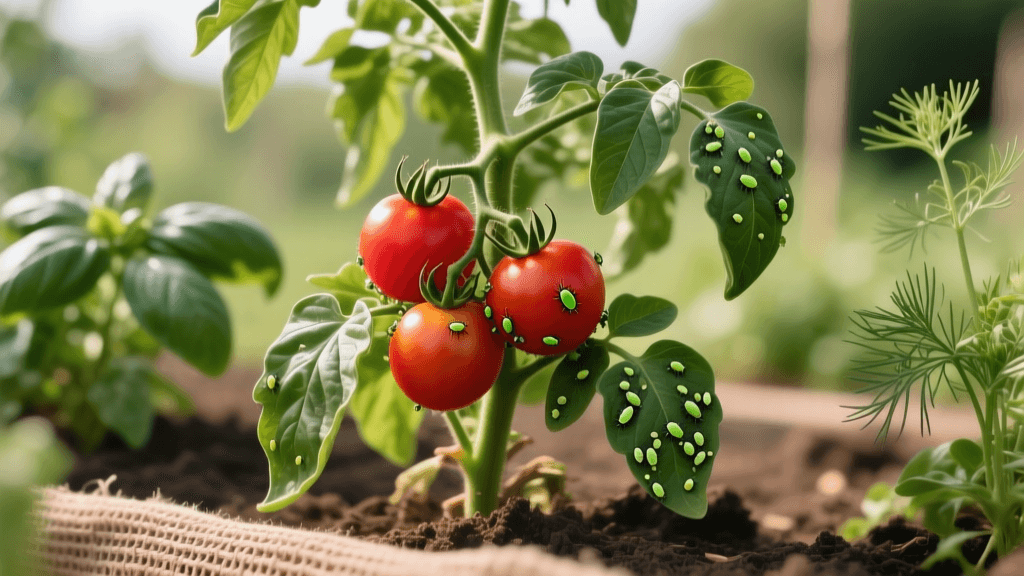
Beginner Guide To Organic Aphid Control For Tomatoes
Welcome to Beginner-Friendly Tomato Pest Control
Growing your first tomato plants is a rewarding rite of passage for any home gardener. However, few things can induce panic in a beginner quite like discovering a cluster of tiny, sap-sucking insects covering the tender new growth of their prized beefsteak or cherry tomatoes. These insects are aphids, and they are arguably the most common pest you will encounter in the vegetable garden. Fortunately, managing aphids does not require harsh, synthetic chemicals that can harm your soil, your local pollinators, or your family. By utilizing Integrated Pest Management (IPM) principles, you can effectively control aphid populations using safe, organic methods. This beginner-friendly guide will walk you through identifying aphids, understanding their life cycle, and applying practical, cost-effective organic treatments to save your tomato harvest.
How to Identify Aphids on Tomato Plants
Aphids are minuscule, soft-bodied insects that typically measure between 1/16 and 1/8 of an inch long. While they can be green, black, red, or yellow, the most common varieties found on tomatoes are the green peach aphid and the potato aphid, which usually appear pale green or pinkish. To spot them, inspect the undersides of your tomato leaves and the newest, most tender growth tips at the top of the plant. Aphids are social pests; they rarely travel alone and prefer to cluster in dense colonies.
Signs of an aphid infestation extend beyond just seeing the bugs. Look for the following symptoms:
- Leaf Curling and Yellowing: As aphids pierce the plant tissue to suck out nutrient-rich sap, the leaves will begin to pucker, curl inward, and turn yellow.
- Stunted Growth: A heavy infestation drains the plant's energy, resulting in severely stunted new shoots and dropped flower blossoms.
- Honeydew and Sooty Mold: Aphids excrete a sticky, sugary waste product called honeydew. If you notice a shiny, sticky residue on your lower leaves, or a black, powdery fungus (sooty mold) growing on that residue, aphids are likely present higher up on the plant.
The Ant Connection: A Beginner's Trap
One of the most common mistakes new gardeners make is ignoring the ants. If you see a trail of ants marching up your tomato stakes and onto the plant, you likely have an aphid problem. Ants 'farm' aphids for their sweet honeydew. In exchange for a meal, the ants will aggressively protect the aphids from beneficial predator insects like ladybugs. To successfully treat aphids, you must first manage the ants. Apply a sticky horticultural barrier, such as Tanglefoot (approx. $10 per tube), around the base of your tomato stakes or the main stem (if using a protective wrap) to break the ant highway.
Step-by-Step Organic Treatment Guide
Once you have confirmed an aphid presence and blocked the ants, it is time to deploy your organic control methods. Always start with the least invasive method and escalate only if necessary.
Step 1: The Water Blast (Mechanical Control)
Before reaching for any sprays, use the power of water. Aphids are weak and fragile. Attach a nozzle to your garden hose that provides a sharp, targeted stream (not a pressure washer setting, which will shred your tomato leaves). Spray the undersides of the leaves and the growing tips thoroughly. This physical force knocks the aphids off the plant. Because aphids are slow-moving and easily disoriented, most will not be able to find their way back up the plant before they perish. This method is completely free, takes five minutes, and is highly effective for early-stage infestations.
Step 2: Insecticidal Soap (Contact Organic Spray)
If the water blast does not reduce the population after two or three days, it is time for insecticidal soap. Soap works by breaking down the waxy protective cuticle of the aphid's exoskeleton, causing them to dehydrate and die rapidly. You can purchase commercial organic insecticidal soaps like Safer Brand Insect Killing Soap (approx. $8 for a 32 oz ready-to-use bottle), or you can mix your own at home for pennies.
DIY Soap Spray Recipe:
- 1 quart of lukewarm water
- 1.5 teaspoons of pure liquid Castile soap (such as Dr. Bronner's Peppermint or Unscented, approx. $15 for a 16 oz bottle that will last multiple seasons)
- Optional: 1/4 teaspoon of vegetable oil to help the solution adhere to the leaves
Timing and Application: Never spray soap during the heat of the day or in direct, blazing sunlight, as the liquid will act as a magnifying glass and burn your tomato foliage. Spray at dusk or early morning. Ensure you drench the undersides of the leaves where aphids hide. Repeat every 4 to 7 days until the infestation is gone.
Step 3: Neem Oil (Residual Organic Spray)
For stubborn, recurring infestations, cold-pressed Neem Oil is your best organic ally. Neem oil, derived from the seeds of the neem tree, acts as an insect growth regulator and an antifeedant. It disrupts the aphid's hormonal system, preventing them from molting and reproducing. Products like Monterey Neem Oil cost around $12 for a 16 oz concentrate. Mix 1 teaspoon of neem oil and 1/2 teaspoon of Castile soap (as an emulsifier) into 1 quart of water. Apply at dusk, coating all plant surfaces. Neem oil breaks down quickly in sunlight, so evening application is mandatory to protect both the plant and daytime pollinators.
Step 4: Beneficial Insects (Biological Control)
Nature has its own pest control workforce. Ladybugs, green lacewings, and parasitic wasps are voracious aphid predators. You can purchase live ladybugs from garden centers or online suppliers (approx. $15 for 1,500 ladybugs). To ensure they do not immediately fly away, release them at night after watering your garden. The moisture and darkness will encourage them to settle in and begin hunting.
Organic Aphid Control Methods Compared
The following comparison chart will help you decide which organic method is best suited for your current garden situation, budget, and schedule.
| Treatment Method | Estimated Cost | Speed of Results | Best Used When | Pros and Cons |
|---|---|---|---|---|
| Water Blast | Free | Immediate | Early detection; light infestations. | Pro: Zero chemical risk. Con: Requires repetition; can damage delicate seedlings if water pressure is too high. |
| Insecticidal Soap | $5 - $15 | 1 - 2 Days | Moderate infestations; active clusters. | Pro: Fast-acting; safe for most beneficials once dry. Con: Requires direct contact with the pest; no residual protection. |
| Neem Oil | $10 - $15 | 3 - 7 Days | Heavy or recurring infestations. | Pro: Disrupts breeding cycles; adds mild fungicidal properties. Con: Slower to kill; can harm pollinators if sprayed directly on them. |
| Live Ladybugs | $15 - $25 | 1 - 2 Weeks | Large gardens; long-term ecological balance. | Pro: Self-sustaining pest control; highly educational for kids. Con: Insects may fly away to neighbor's yards if food runs out. |
Preventative Measures for Future Harvests
The ultimate goal of Integrated Pest Management is to prevent pests from reaching damaging levels in the first place. As a beginner gardener, implementing these cultural controls will drastically reduce your aphid headaches next season:
- Avoid Excess Nitrogen: Aphids are highly attracted to the lush, sappy new growth stimulated by high-nitrogen synthetic fertilizers. Use a balanced, slow-release organic tomato fertilizer (like Espoma Tomato-tone) that promotes steady growth and fruit production rather than just leafy canopy.
- Companion Planting: Interplant your tomatoes with strong-scented herbs and flowers that confuse or repel aphids. Alliums (garlic, chives, onions), marigolds, and basil are excellent companions. Conversely, use 'trap crops' like nasturtiums a few feet away from your tomatoes; aphids love nasturtiums and will often colonize them instead, leaving your tomatoes alone.
- Overwintering Cleanup: Aphid eggs often survive the winter in garden debris. At the end of the season, remove and compost all spent tomato vines and fallen leaves to break the pest life cycle.
Expert Guidance and Authoritative Sources
When dealing with garden pests, it is crucial to rely on science-based advice rather than internet myths. The University of California Statewide Integrated Pest Management Program (UC IPM) is widely considered the gold standard for home garden pest advice. According to UC IPM guidelines on aphid management, chemical intervention is rarely necessary for home gardens if natural enemies are present and cultural controls are utilized.
'Aphids are often kept in check by natural enemies, and washing aphids off with a strong stream of water is often sufficient for managing localized outbreaks on vegetables. Broad-spectrum insecticides should be avoided as they kill the natural enemies that keep aphid populations under control.' - UC Agriculture and Natural Resources (UC ANR)
By following this beginner-friendly, step-by-step approach, you can confidently manage aphids on your tomato plants. Start with a blast of water, escalate to organic soaps or neem oil only when necessary, and foster a garden ecosystem that naturally keeps pests in check. Your reward will be a bountiful, chemical-free harvest of delicious, homegrown tomatoes.