Pest Control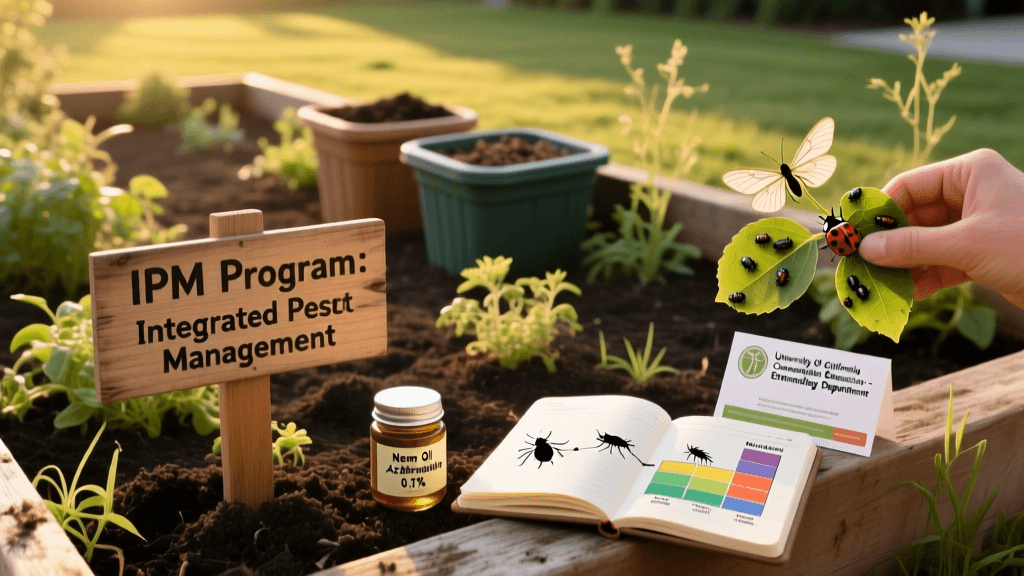
Organic Weed Control Methods That Work
Understanding Weeds Before You Fight Them
Effective weed management starts with knowing what you're dealing with. Weeds fall into three broad categories based on their life cycle: annuals, biennials, and perennials. Annual weeds like crabgrass (Digitaria sanguinalis) complete their entire life cycle in a single growing season, producing thousands of seeds before dying. A single crabgrass plant can produce up to 150,000 seeds per season, according to the University of California Cooperative Extension (2021). Perennial weeds like dandelion (Taraxacum officinale) and bindweed (Convolvulus arvensis) regrow from root systems year after year, making them harder to eliminate without dealing with the roots.
Knowing the growth stage of a weed matters just as much as identifying the species. Treating a weed at the seedling stage takes less effort than dealing with an established plant with a deep taproot or extensive rhizome network. Integrated Pest Management (IPM) programs, used by Cornell University's College of Agriculture and Life Sciences and the University of California Statewide IPM Program, focus on scouting first: identify the weed, learn how it grows, and time your response for when it’s most vulnerable.
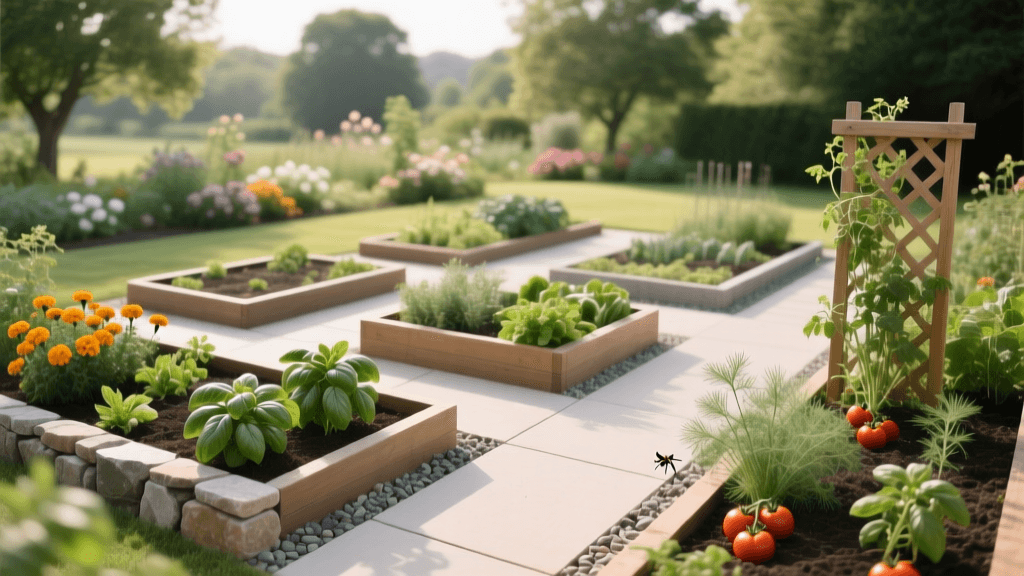
Cultural Controls: Your First Line of Defense
Cultural weed control means using practices that make your garden or lawn less welcoming to weeds—no products needed. These methods work by changing the conditions weeds need to sprout and settle in. Dense, healthy turf is one of the best natural weed suppressants—a lawn kept at the right mowing height (usually 3 to 4 inches for cool-season grasses like tall fescue) shades the soil and keeps light from reaching weed seeds.
Soil health matters too. Compacted soils often host weeds like plantain (Plantago major) that tolerate low-oxygen conditions. Core aeration, done in fall for cool-season grasses or late spring for warm-season types, eases compaction and helps grass roots grow deeper. Deeper grass roots compete better with shallow-rooted annual weeds for water and nutrients.
Mulching for Weed Suppression
Organic mulch is one of the most dependable cultural tools in the garden. A 2- to 4-inch layer of wood chips, straw, or shredded leaves blocks light from hitting the soil surface, stopping most annual weed seeds from sprouting. Penn State Extension found that a 3-inch layer of wood chip mulch cuts weed emergence by up to 90% compared to bare soil. The mulch also keeps soil temperatures more even and holds moisture—helping your plants while stressing any weed seedlings that do break through.
Avoid using hay as mulch unless it’s certified weed-free. Hay often carries live grass and broadleaf weed seeds that will sprout right in your beds. Straw is safer, though it’s still worth checking the source. Top off mulch layers each year, since they thin out as they break down and lose effectiveness.
Crop Rotation and Cover Crops
In vegetable gardens, rotating plant families between beds throws off weed communities that have adapted to specific crops. Cover crops like buckwheat (Fagopyrum esculentum), winter rye (Secale cereale), and crimson clover (Trifolium incarnatum) hold down weeds by shading the soil—and some, like winter rye, release natural compounds as they decompose that slow the germination of small-seeded weeds. The Rodale Institute, based in Kutztown, Pennsylvania, has seen strong weed suppression in organic grain systems where cover crops are timed carefully before planting.
Mechanical and Physical Controls
Hand-pulling is still the most precise way to remove weeds, especially isolated perennials—if you get the whole root. Dandelions have taproots that can go 10 to 18 inches down; leave behind even a 1-inch piece and it may grow back. Tools like a dandelion digger or hori-hori knife help pull roots cleanly, especially in damp soil after rain or watering.
Flame weeding uses propane torches to heat weed tissue quickly, bursting cell walls so the plant dries out. You don’t need to burn the plant—just a quick pass that makes the leaf wilt and turn dull green is enough. It works best on young annual weeds with stems under 2 inches tall. Don’t use flame weeding near dry mulch, wooden structures, or in drought conditions, and never where dry grass or fire risk is present.
Solarization for Bed Preparation
Soil solarization uses clear polyethylene plastic to trap sunlight and heat the soil enough to kill weed seeds, pathogens, and some soil pests. For it to work well, soil temperatures at a 2-inch depth need to stay at least 140°F (60°C) for several days. In California's Central Valley, the University of California Cooperative Extension says 4 to 6 weeks of solarization during July and August can cut viable weed seed numbers by 70 to 95% in the top 6 inches of soil. In cooler areas, it takes longer and may not be as thorough—but it still reduces weeds noticeably.
Prepare the soil before laying plastic: till it, water it well, then lay the sheeting tightly against the soil and seal the edges with soil or rocks. After solarization, skip deep tilling—it brings untreated seeds back up to the surface.
Organic Herbicide Options and Active Ingredients
Several organic herbicides sold commercially offer post-emergent weed control without synthetic chemicals. Knowing their active ingredients helps set realistic expectations, since most are contact herbicides—they damage only what they touch and don’t move through the plant. That makes them less effective on mature perennials with deep roots.
| Product Type | Active Ingredient | Mode of Action | Best Use |
|---|---|---|---|
| Acetic acid herbicide | Acetic acid (20–30% concentration) | Desiccates leaf tissue on contact | Annual weeds, seedlings, hardscape cracks |
| Citric acid herbicide | Citric acid | Disrupts cell membrane integrity | Young broadleaf weeds |
| Iron-based herbicide | Iron HEDTA (chelated iron) | Selective broadleaf toxicity via iron overload | Lawn broadleaf weeds, safe around grasses |
| Clove oil herbicide | Eugenol | Disrupts cell membranes | Annual weeds, spot treatment |
| Corn gluten meal | Corn gluten hydrolysate | Inhibits root development at germination | Pre-emergent annual weed prevention |
Acetic acid products at 20% concentration or higher work much better than household vinegar (5% acetic acid), but they can irritate skin and eyes and lower soil pH if used repeatedly. Wear protective eyewear and gloves when applying high-concentration versions. They’re non-selective—anything they hit gets damaged, including plants you want to keep.
Iron HEDTA-based herbicides, sold under names like Fiesta, are useful for organic lawn care. They target broadleaf weeds but leave grasses alone, so they’re safe to apply directly to turf. You’ll usually need two or three applications spaced 2 to 3 weeks apart for tough weeds. They work best on actively growing weeds when air temperatures are above 60°F.
Corn Gluten Meal as a Pre-Emergent
Corn gluten meal (CGM) is a byproduct of corn wet milling that acts as a natural pre-emergent herbicide. Research at Iowa State University in the early 1990s by Dr. Nick Christians identified corn gluten hydrolysate—the active part—as something that stops root formation in germinating seeds. When seeds sprout in CGM-treated soil, the tiny root (radicle) doesn’t develop properly, and the seedling dies if the soil surface dries out.
Timing matters. Apply CGM before your target weeds start to germinate, and let the soil stay dry for several days afterward. If it rains right after application, the active compounds wash away before they act. Spread it at 20 pounds per 1,000 square feet in early spring—about 2 to 3 weeks before soil temperature hits 55°F at a 4-inch depth, which is when crabgrass usually begins to sprout. A second round in fall helps with winter annuals like hairy bittercress (Cardamine hirsuta).
CGM also contains about 10% nitrogen by weight, acting as a slow-release fertilizer while doing its weed-prevention job. That dual role makes it handy for organic lawns, though you’ll want to count that nitrogen toward your overall feeding plan so you don’t overdo it.
Timing Treatments to the Weed Life Cycle
When you treat weeds often makes the difference between success and frustration in organic management. Since most organic herbicides don’t move through the plant like synthetics such as glyphosate, they work best on small, actively growing weeds. The “white thread stage”—when a seed has just sent out a tiny white root but hasn’t broken the soil yet—is the ideal moment for pre-emergent controls. Post-emergent organic herbicides do best on seedlings with fewer than four true leaves.
For perennial weeds, the best windows are early spring—when plants are pulling energy from roots to push new growth—and late summer to early fall—when they’re sending carbohydrates back into roots for winter. Repeatedly cutting back top growth during those times drains root reserves over one to three seasons. North Carolina State University Extension suggests at least three years of steady management to meaningfully reduce established perennial weeds without synthetic herbicides.
- Crabgrass pre-emergent window: when soil temperature at 4 inches reaches 50–55°F for several consecutive days (often around forsythia bloom time in the mid-Atlantic region)
- Dandelion post-emergent: most effective in fall when plants are moving resources to roots
- Bindweed: repeated cultivation every 7–10 days through the growing season for 2+ years to exhaust root reserves
- Hairy bittercress: winter annual that sets seed fast in early spring—remove before flowering, which can happen at temperatures as low as 40°F
- Nutsedge: control works best when plants have 3–5 leaves, before tubers form; tubers become viable within 6 weeks of emergence
Building an IPM-Based Weed Management Plan
Integrated Pest Management for weeds means combining several tactics in a thoughtful order—not relying on just one thing. The IPM framework, developed by the USDA and promoted through land-grant university extension programs, uses action thresholds—the point where a weed population causes enough trouble to justify stepping in. In a home lawn, that might mean 5 to 10 broadleaf weeds per 100 square feet; in a vegetable garden, any weed within 6 inches of a crop plant may call for immediate removal.
A practical organic IPM plan for a home landscape usually follows this sequence:
- Prevention: Use weed-free compost and mulch, clean tools between beds, avoid unnecessary soil disturbance, and keep desirable plants thick and healthy.
- Monitoring: Walk through beds and lawn weekly during the growing season. Note which weeds show up, how many, and where—so you can spot patterns over time.
- Cultural controls: Adjust mowing height, watering schedule, and fertilizing to support your plants. Lay mulch on bare soil as soon as possible.
- Mechanical controls: Hand-pull, hoe, or flame-weed when weeds cross your threshold and are at their most vulnerable stage.
- Organic herbicides: Use targeted treatments when mechanical control isn’t practical because of scale or density—choosing the right product for the weed type and growth stage.
Keeping notes is a simple but overlooked tool in home weed management. Jot down what weeds appeared, where, when you treated them, and what happened. That log helps you fine-tune timing and methods each season. Over three to five years, a consistent organic program usually cuts down on weeds as the seed bank shrinks and soil conditions improve for the plants you want.
"The goal of IPM is not to eliminate all pests, but to keep pest populations below economically or aesthetically damaging levels using the most environmentally sound methods available. In most home landscapes, that threshold is achievable through cultural and mechanical means alone, with organic inputs as a targeted supplement." — University of California Statewide IPM Program, 2022
Patience is key in organic weed management. Synthetic herbicides can wipe out weeds in one go; organic approaches take steady work over multiple seasons. What you gain is healthier soil, fewer chemical inputs, and a weed seed bank that shrinks year after year instead of bouncing back after tillage or building resistance.