Home & Garden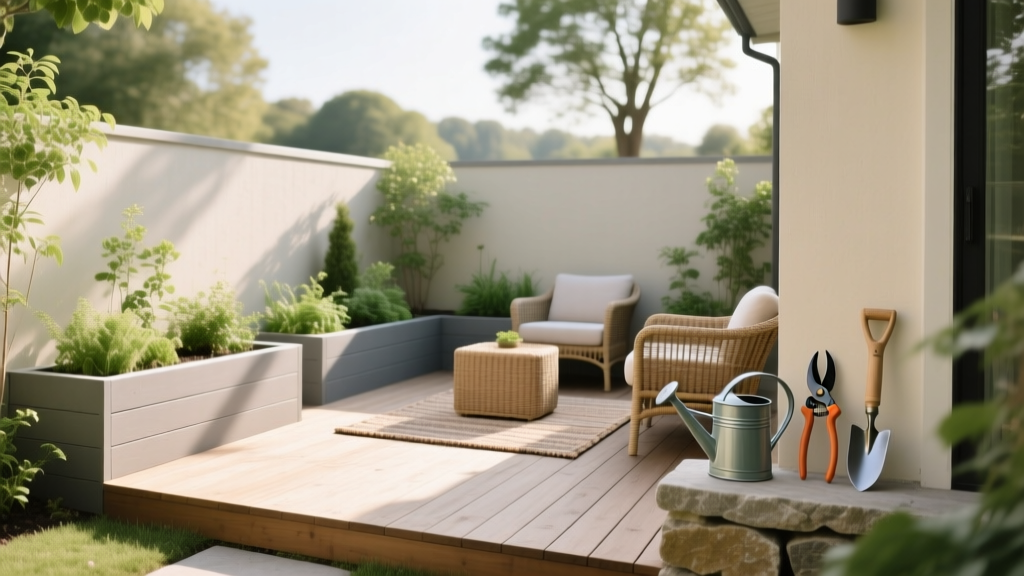
Outdoor Living Space Ideas For Small Backyards
A small backyard doesn’t have to mean giving up on outdoor living. With some planning and the right tools, even a 200–400 square foot space can work well — feeling open, comfortable, and suited to how you actually use it. The trick is dividing the space into zones, picking furniture that fits, and keeping the lawn and garden tidy with gear that works in tight spots.
Designing Zones in a Compact Outdoor Space
Most successful small backyard makeovers start by thinking in zones — splitting the area into distinct areas for dining, lounging, or planting, without building walls or fences. In a typical 300 square foot yard, you can fit a dining zone (about 10×10 feet), a lounge area (8×8 feet), and a narrow planting strip (18–24 inches wide) along the fence. That leaves room for a path down the middle so things don’t feel cramped.
Landscape architects at the University of California Cooperative Extension suggest using vertical elements — trellises, wall-mounted planters, or tall ornamental grasses — to draw the eye upward. This adds height and helps balance out the limited floor space. It’s sometimes called “vertical layering,” and according to spatial perception studies from Cornell University's Department of Landscape Architecture in 2022, it can make a 250 square foot yard feel nearly 40% larger.
What’s underfoot matters too. Mixing a small paver patio with a strip of low-maintenance turf creates contrast that separates zones without fencing. A 10×12 foot section of permeable pavers next to a 6×8 foot patch of artificial or natural grass gives the impression of two separate spaces in one compact yard.
Choosing the Right Patio Furniture Scale
Oversized furniture is the most common misstep in small backyards. A standard 60-inch round dining table needs at least 12×12 feet of clearance for chairs to slide in and out comfortably. In a small yard, a 36–42 inch bistro table with folding chairs works better — it’s easy to tuck away when not in use. IKEA's TÄRNÖ series and Fermob's Bistro line offer weather-resistant options in the $150–$350 range that fold flat against a wall or fence.
For lounging, a loveseat-sized outdoor sofa (usually 52–58 inches wide) fits more easily than a full three-seat sectional. Pair it with two stackable side chairs and a 24-inch round side table. That setup stays flexible — you can rearrange it depending on how many people are over.
Lighting Strategies That Expand Perceived Space
Good lighting stretches your backyard use into the evening and adds depth through light and shadow. Hang string lights at 7–8 feet across the full width of the yard to create a soft “ceiling” effect that defines the space. Solar stake lights along the garden edge add gentle glow without wiring. According to the American Lighting Association's 2023 outdoor living report, homeowners who add layered outdoor lighting use their yards about 3.2 more hours per week than those with just one light source.
Lawn Care Equipment for Tight Spaces
Keeping a small lawn — whether natural grass or a mix of grass and pavers — means using gear sized for the job. Full-size walk-behind mowers with 21-inch decks are often too wide and heavy for yards under 500 square feet, especially if your gate is narrow. The right tool saves time, effort, and keeps nearby plants safe.
Reel mowers are making a comeback for small lawns. The Fiskars StaySharp Max has a 17-inch blade and weighs just 16.5 lbs. It’s consistently rated among the top manual options for small turf areas. It runs without fuel or emissions and gives a clean scissor-cut — turf specialists at Texas A&M University's AgriLife Extension say that’s actually gentler on grass than rotary cutting. It sells for about $165–$185 and earned an ergonomic rating of 8.2/10 from Consumer Reports' outdoor tools division, thanks to its low push resistance and adjustable height settings (1–4 inches in 9 steps).
If you prefer powered tools, the EGO Power+ LM1701E-SP is a 17-inch battery-powered mower weighing 44 lbs — lighter than gas models, which usually weigh 65–75 lbs. Its narrow deck fits through standard 36-inch gates, which matters if you’re only mowing the backyard. On a single 5.0Ah charge, it runs long enough to cover about 4,500 square feet — plenty for most small yards. It costs $349–$399 with the battery included.
Edgers and Trimmers for Defined Borders
Clean edges between grass and paving make a small yard look cared for. The Black+Decker BESTA510 corded edger has a 7.5-inch blade, weighs 6.4 lbs, and sells for around $45. For cordless convenience, the WORX WG163 GT 3.0 20V trimmer/edger combo (10-inch cutting diameter, 5.3 lbs) handles both jobs in one tool for $79–$99. Both are slim enough to run along 4-inch paver joints without damaging the edges.
| Tool | Blade/Cutting Width | Weight | Price Range | Best For |
|---|---|---|---|---|
| Fiskars StaySharp Max | 17 inches | 16.5 lbs | $165–$185 | Manual mowing, small turf patches |
| EGO Power+ LM1701E-SP | 17 inches | 44 lbs | $349–$399 | Battery-powered, narrow gate access |
| Black+Decker BESTA510 | 7.5 inches | 6.4 lbs | $40–$50 | Corded edging along pavers |
| WORX WG163 GT 3.0 | 10 inches | 5.3 lbs | $79–$99 | Cordless trim and edge combo |
Container Gardening and Raised Bed Integration
When ground space is tight, containers and raised beds become your main growing areas. A well-planned container garden can yield herbs, salad greens, and compact vegetables in as little as 40 square feet of patio space. Depth matters most: most vegetables need at least 12 inches of soil, while herbs do fine in 6–8 inch pots.
Raised beds built along a fence line work especially well in small yards. A 2×8 foot bed placed against a 6-foot privacy fence adds growing room without taking up the center of the yard. Cedar holds up best — untreated cedar resists rot for 10–15 years without chemical treatment. A standard 2×8 foot cedar raised bed kit from brands like Greenes Fence or Vego Garden costs $80–$140 and takes under an hour to put together.
According to the National Gardening Association's 2023 survey, 35% of urban and suburban gardeners with yards under 500 square feet now use some form of vertical or container growing system, up from 22% in 2018. That shift reflects both more interest in growing food at home and the reality of smaller outdoor spaces in places like the Northeast corridor and Pacific Coast cities.
"The most productive small gardens we've studied aren't the ones with the most plants — they're the ones where every square foot has been intentionally assigned a purpose, whether that's food production, visual interest, or simply open space for movement."
— Dr. Linda Chalker-Scott, Extension Urban Horticulturist, Washington State University
Vertical growing structures — wall-mounted pocket planters, A-frame trellises, and tiered plant stands — can triple the usable growing surface on a small patio. A 4-foot wide A-frame trellis planted with pole beans or cucumbers on both sides gives about 32 square feet of growing space while sitting on just 4 square feet of ground. That 8:1 ratio makes vertical growing one of the most efficient uses of space in small-yard gardening.
Seasonal Maintenance Schedules for Small Backyard Gardens
Sticking to a regular maintenance routine keeps a small backyard from getting overrun — especially since planting density tends to be higher in tight spaces. This schedule is geared toward USDA Hardiness Zones 5–8, covering much of the continental U.S., including the Midwest, Mid-Atlantic, and Pacific Northwest.
- Early Spring (March–April): Dethatch turf with a hand rake or the Greenworks 10-Amp Electric Dethatcher (14-inch path width, $99). Apply pre-emergent herbicide to paver joints. Cut ornamental grasses back to 4–6 inches above ground. Refresh container soil with a 50/50 mix of fresh potting mix and compost.
- Late Spring (May): Start weekly mowing at a 3-inch height. Set up drip irrigation or soaker hoses in raised beds. Feed turf with a slow-release nitrogen fertilizer at 0.5 lbs nitrogen per 1,000 square feet.
- Summer (June–August): Mow every 7–10 days, depending on growth. Water containers daily during heat waves above 90°F. Deadhead flowering plants weekly to keep them blooming. Check trellis ties and adjust as needed.
- Fall (September–October): Overseed thin turf areas at 3–4 lbs seed per 1,000 square feet. Plant spring bulbs in containers. Use a winterizing fertilizer with extra potassium to strengthen roots.
- Winter (November–February): Clean and oil metal tool blades. Store battery-powered gear at 40–70°F to protect batteries. Cover raised beds with burlap or frost cloth when temps drop below 28°F.
Keeping blades sharp is easy to skip but makes a real difference in cut quality and how hard you have to push. Testing from the Outdoor Power Equipment Institute in 2021 found a dull reel mower blade takes up to 30% more effort to push than a sharp one. Reel mower blades should be lapped (sharpened against the bedknife) once a season for light home use, or every 8–10 hours of cutting for heavier use. Rotary mower blades should be sharpened or replaced every 25 hours — for most small yards, that’s about once a year.
Privacy and Shade Solutions Without Sacrificing Space
Privacy is a frequent concern in small urban and suburban backyards, where neighbors are close. A full 6-foot solid fence works, but it can make a small yard feel closed in and dark. A better approach mixes partial screening with open sightlines where it makes sense.
Lattice panels mounted on top of a 4-foot solid fence bring the total height to 6–7 feet while still letting in light and air. Train fast-growing climbers like Clematis (which can reach 8–12 feet in one season) or annual morning glory on a 10-foot lattice section, and you’ll have dense screening by midsummer. Building a 10-foot lattice extension with cedar posts costs about $120–$180 — less than half the $400–$600 you’d spend on a full 10-foot section of solid privacy fencing.
Shade sails are one of the most space-efficient ways to shade a small patio. A triangular 10×10×10 foot sail mounted between two fence posts and a wall bracket covers roughly 43 square feet, blocks 90–95% of UV radiation (depending on fabric), and costs $40–$120 based on quality. Unlike pergolas, shade sails usually don’t need footings or permits and can be taken down and stored each winter — extending their life to 5–8 years.
- Measure your anchor points (fence posts, wall brackets, or freestanding poles) before buying a shade sail — the shape and spacing affect how much shade you get.
- Pick HDPE (high-density polyethylene) fabric over polyester; it’s UV-stabilized, breathable, and resists mold in humid climates.
- Install with 10–15% tension across the fabric to avoid pooling rainwater and reduce flapping in the wind.
- Check attachment hardware (D-rings, turnbuckles, and carabiners) at the start of each season and swap out any pieces showing rust or wear.
For year-round privacy without building anything, ornamental grasses like Miscanthus sinensis 'Gracillimus' (maiden grass) grow 5–6 feet tall in one season and form a soft, natural screen that moves with the breeze. Three plants spaced 3 feet apart along a fence line give you a 9-foot privacy screen for $60–$90 in plants — far less than structural options. In colder areas, the dried plumes stay attractive through winter and get cut back in early spring.
