Lawn Care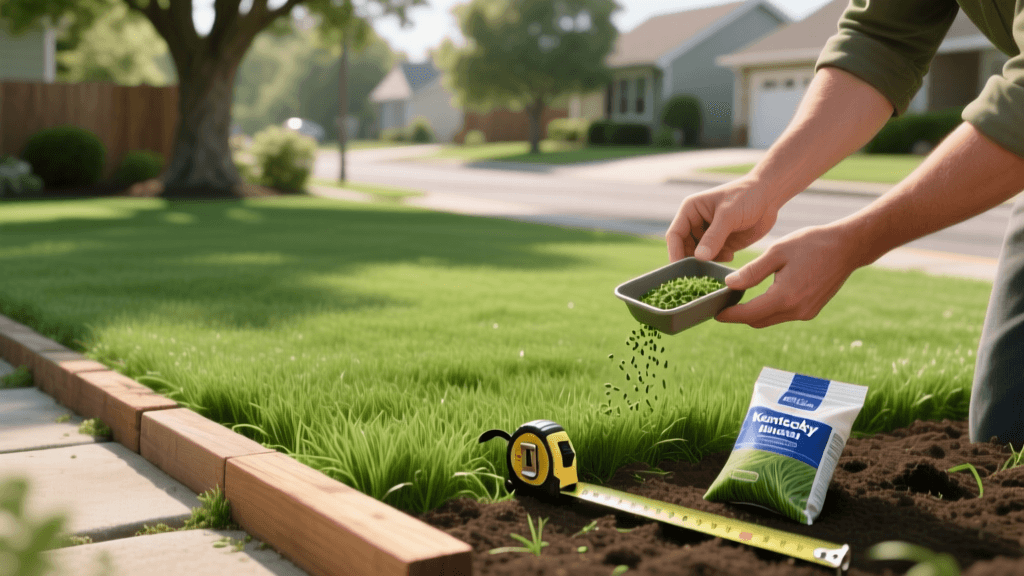
Beginner Guide to Overseeding Your Cool-Season Lawn
What is Overseeding and Why Do It?
If you are a new homeowner or simply taking over the maintenance of your yard for the first time, you might be wondering why your grass looks thin, patchy, or overrun with weeds. The secret to a lush, carpet-like lawn isn't just regular mowing and watering; it is a process called overseeding. Overseeding involves spreading new grass seed directly over your existing turf without tearing up the soil or starting from scratch. For cool-season grasses like Kentucky Bluegrass, Tall Fescue, and Perennial Ryegrass, this practice is absolutely essential for long-term lawn health.
As grass plants age, they naturally slow down their reproduction and growth rates. Older lawns become more susceptible to diseases, drought stress, and heavy foot traffic. Furthermore, thin grass leaves open spaces for opportunistic weeds like crabgrass and dandelions to take root. By introducing new, vigorous grass varieties into your existing lawn, you improve the turf's density, enhance its color, and boost its natural resistance to pests and diseases. Think of overseeding as a vital anti-aging treatment for your yard.
When to Overseed Cool-Season Grasses
Timing is the single most critical factor in the success of your overseeding project. Cool-season grasses thrive in cooler temperatures, making late summer to early fall the absolute best time to plant. Specifically, you should aim to overseed between August 15 and September 15 in most northern and transitional zones.
During this window, the soil is still warm from the summer sun, which encourages rapid seed germination. At the same time, the air temperatures are beginning to cool down, which reduces heat stress on the delicate new seedlings. Furthermore, fall planting gives the new grass two full growing seasons (fall and spring) to establish deep, robust root systems before the brutal heat of the following summer arrives. While spring overseeding is possible, it is generally discouraged for beginners because spring-planted seedlings often struggle to survive the summer heat and compete with aggressive spring weeds.
Choosing the Right Grass Seed
Not all grass seeds are created equal. When selecting a seed mix, you must consider your yard's specific conditions, including sunlight exposure, soil type, and foot traffic. Below is a comparison chart of the most common cool-season grasses to help you choose the right product.
| Grass Type | Shade Tolerance | Drought Resistance | Germination Time | Best For |
|---|---|---|---|---|
| Kentucky Bluegrass | Low to Moderate | Moderate | 14-21 Days | Sunny yards, high traffic, northern climates |
| Tall Fescue | Moderate to High | High | 7-12 Days | Transitional zones, clay soils, drought-prone areas |
| Perennial Ryegrass | Low | Low to Moderate | 5-10 Days | Quick patch repair, high traffic areas, erosion control |
| Fine Fescue | Very High | Moderate | 10-14 Days | Heavily shaded yards, low-maintenance areas |
For most beginners, a high-quality seed blend or mix is the safest choice. Products like Jonathan Green Black Beauty Ultra or Scotts Turf Builder Grass Seed Sun & Shade Mix combine multiple species, ensuring that at least one grass type will thrive regardless of microclimates in your yard.
Step-by-Step Overseeding Guide for Beginners
Step 1: Mow Low and Rake Vigorously
Before any seed touches the ground, you must prepare the canvas. Mow your existing lawn shorter than you normally would, aiming for a height of about 1.5 to 2 inches. Bag the clippings so they do not smother the new seed. Next, use a stiff metal thatch rake to vigorously scratch the surface of the soil. This step is crucial because grass seed must have direct seed-to-soil contact to germinate. If the seed lands on a thick layer of dead thatch or on top of existing grass blades, it will dry out and die.
Step 2: Core Aeration (Highly Recommended)
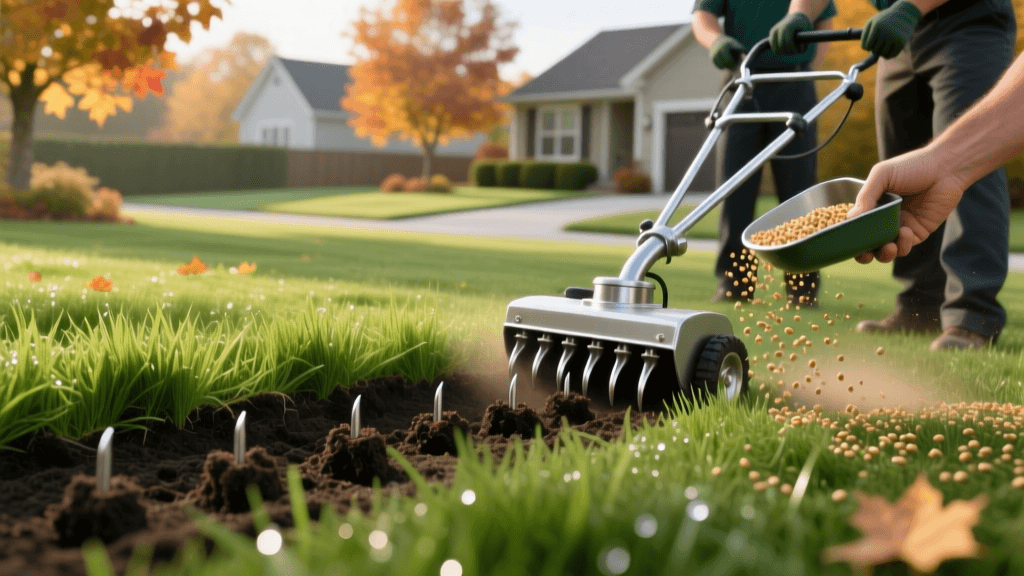
While not strictly mandatory, core aeration dramatically increases your chances of success. A core aerator pulls small plugs of soil out of the ground, relieving compaction and creating tiny holes for water, nutrients, and seeds to penetrate. You can rent a walk-behind core aerator from a local hardware store for about $80 to $100 per day. Run the aerator over your lawn in two perpendicular directions to ensure maximum coverage. Leave the extracted soil plugs on the lawn; they will break down naturally with your next rainfall or irrigation.
Step 3: Spread the Seed
Load your broadcast or drop spreader with your chosen grass seed. To ensure even coverage, split your total seed amount in half. Spread the first half while walking in horizontal lines across your lawn, and spread the second half walking in vertical lines. The application rate depends on your grass type and whether you are overseeding or starting from scratch. For overseeding Tall Fescue, apply roughly 4 to 6 pounds of seed per 1,000 square feet. For Kentucky Bluegrass, apply 1 to 2 pounds per 1,000 square feet. Always check the back of the seed bag for the manufacturer's exact overseeding rate.
Step 4: Apply Starter Fertilizer
New seedlings need a specific nutrient profile to establish roots quickly. Apply a high-quality starter fertilizer immediately after seeding. Look for a product with a high phosphorus content (the middle number on the bag), such as Scotts Turf Builder Starter Food for New Grass (24-25-4). Phosphorus is the primary driver of early root development. Avoid using standard weed-and-feed products, as the herbicides in them will prevent your new grass seed from germinating.
Step 5: The Watering Schedule
Watering is where most beginners fail. Grass seed must remain consistently moist until it germinates and establishes roots. For the first 14 to 21 days, you must water your lawn lightly 2 to 3 times a day for about 5 to 10 minutes per session. The goal is to keep the top inch of soil damp, not to create puddles. Once the new grass reaches a height of about 2 inches, you can reduce the frequency to once a day, but increase the duration to encourage deeper root growth. After the first mowing, transition back to a standard deep-and-infrequent watering schedule of about 1 inch of water per week.
Common Beginner Mistakes to Avoid
- Using Weed Preventers: Pre-emergent herbicides stop seeds from sprouting. This includes grass seed. Never apply a crabgrass preventer in the same season you plan to overseed.
- Letting the Seed Dry Out: Even a single afternoon of dry soil can kill germinating seeds. Set your sprinkler timers and stick to them religiously during the first three weeks.
- Mowing Too Soon: Wait until the new grass is at least 3 to 4 inches tall before giving it its first haircut. Ensure your mower blade is razor-sharp to avoid tearing the delicate new seedlings out of the ground.
- Burying the Seed: Do not cover your seed with thick layers of topsoil. A light dusting of compost or peat moss (no more than 1/4 inch) is fine to retain moisture, but burying seed deeper than 1/2 inch will prevent it from reaching the surface.
Estimated Costs for a 5,000 Sq Ft Lawn
Budgeting is an important part of any lawn care project. Below is an estimated cost breakdown for overseeding a standard 5,000 square foot cool-season lawn. Prices may vary based on your region and the specific brands you choose.
| Item / Service | Estimated Cost | Notes |
|---|---|---|
| Premium Grass Seed (20 lbs) | $60 - $90 | Based on 4 lbs per 1,000 sq ft |
| Starter Fertilizer | $25 - $40 | Covers up to 5,000 sq ft |
| Core Aerator Rental | $80 - $110 | Half-day or full-day rental rate |
| Peat Moss / Topdressing | $15 - $25 | Optional, for moisture retention |
| Total Estimated Cost | $180 - $265 | One-time investment for the season |
Expert Insights and Authoritative Sources
Following science-backed guidelines is the best way to ensure your lawn care efforts pay off. According to the Penn State Extension, late summer to early fall is the optimal time for seeding cool-season grasses because warm soils encourage rapid germination while cool air reduces heat stress on seedlings. They also emphasize that seed-to-soil contact is the most vital mechanical step in the process, reinforcing the need for thorough raking or aeration prior to seeding.
Furthermore, the University of Massachusetts Amherst Extension recommends conducting a soil test before any major lawn renovation or overseeding project. A soil test (which typically costs $15 to $30 through your local university extension office) will reveal your soil's pH and nutrient deficiencies. Cool-season grasses prefer a soil pH between 6.0 and 7.0. If your soil is too acidic, your extension office will recommend applying pelletized lime to correct the balance, ensuring the new grass has the perfect chemical environment to absorb the nutrients from your starter fertilizer.
By following this beginner-friendly guide, avoiding common pitfalls, and sticking to the proper seasonal timing, you can transform a tired, patchy yard into a thick, vibrant, and resilient cool-season lawn that will be the envy of your neighborhood.