Lawn Care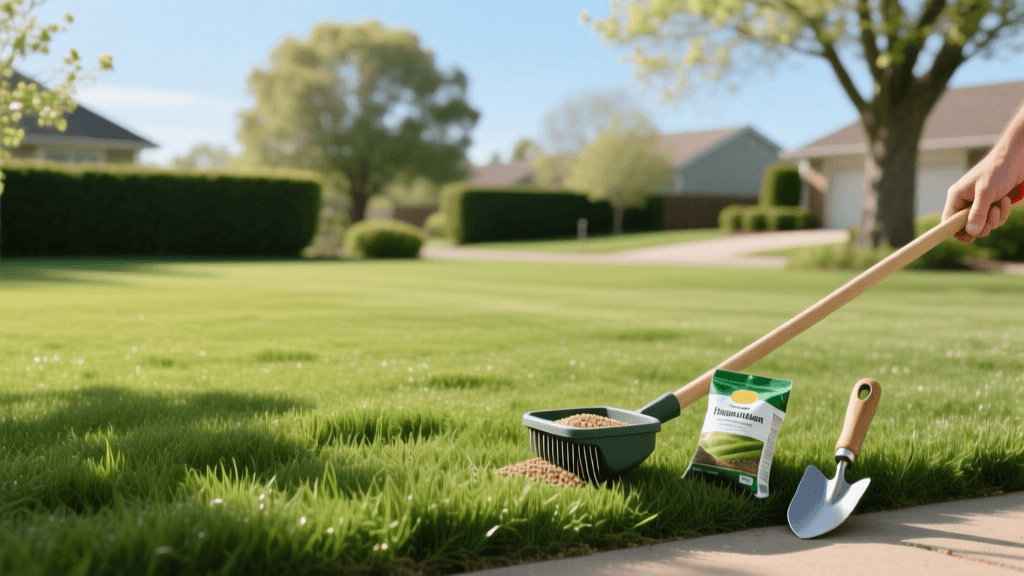
Beginner Guide to Overseeding Your Cool-Season Lawn
What is Overseeding and Why Do Beginners Need It?
If you are a new homeowner or just taking over the maintenance of your yard, you might be wondering why your cool-season lawn looks thin, patchy, or invaded by weeds every spring. The secret to a lush, carpet-like lawn is not just mowing and watering; it is a process called overseeding. Overseeding involves spreading new grass seed directly over your existing turf without tearing up the soil or starting from scratch.
For beginners, overseeding is the most cost-effective and least labor-intensive way to rejuvenate a tired lawn. Over time, older grass plants slow down their reproduction rates, leaving bare spots that opportunistic weeds like crabgrass and dandelions are quick to colonize. By introducing fresh, modern grass cultivars through overseeding, you naturally crowd out weeds, improve disease resistance, and create a denser, greener yard. Cool-season grasses—such as Kentucky Bluegrass, Tall Fescue, and Perennial Ryegrass—thrive in northern climates and benefit immensely from an annual or bi-annual overseeding routine.
The Best Time to Overseed Cool-Season Grasses
Timing is the single most critical factor for a beginner to master. Unlike warm-season grasses that are planted in late spring, cool-season grasses should be overseeded in the early fall.
The ideal window is typically between late August and mid-October, depending on your specific USDA hardiness zone. You want to aim for a period when daytime air temperatures are consistently between 60°F and 75°F, and soil temperatures hover around 50°F to 65°F. During this window, the soil is still warm enough from the summer to encourage rapid seed germination, but the cooling air temperatures reduce the stress on young seedlings. Furthermore, fall brings fewer weed seeds into the air, meaning your new grass will face less competition for water, sunlight, and nutrients.
Tools and Materials You Will Need
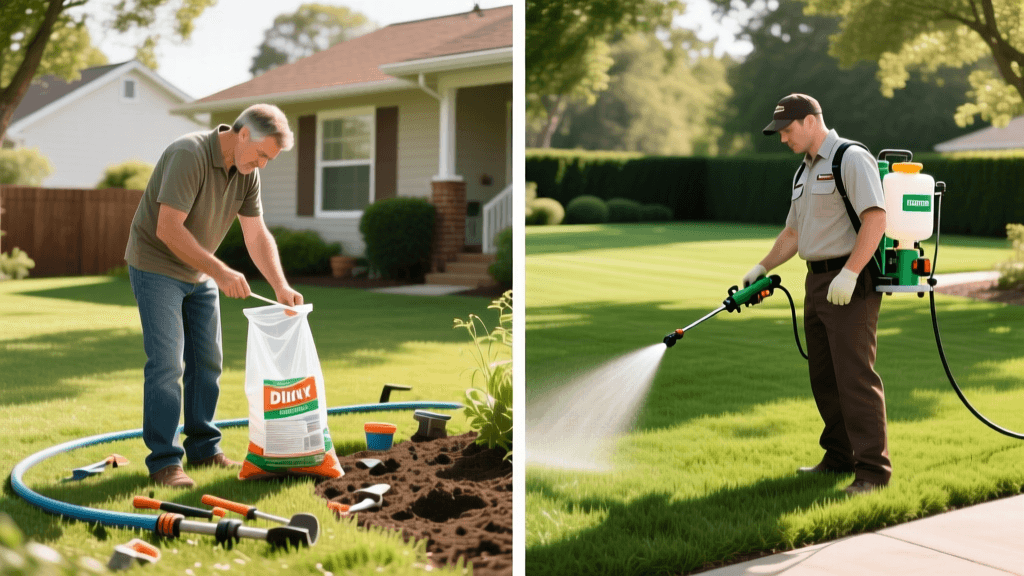
Before you begin, gather your supplies. Here is a beginner-friendly checklist with estimated costs to help you budget for a standard 5,000-square-foot lawn:
- High-Quality Grass Seed: $35 - $70 (Look for a mix with 0% weed seed and no filler).
- Starter Fertilizer: $25 - $40 (A high-phosphorus blend like 10-18-10 to promote root growth).
- Drop or Broadcast Spreader: $30 - $50 (A broadcast spreader is generally easier for beginners to use evenly).
- Core Aerator (Rental): $70 - $100 per day (Highly recommended for compacted soil).
- Stiff Leaf Rake: $15 - $25 (For removing thatch and debris).
Choosing the Right Seed: A Comparison Chart
Selecting the right seed can feel overwhelming at the garden center. Below is a structured comparison chart to help you choose the right cool-season grass for your specific yard conditions.
| Grass Type | Seed Rate (per 1,000 sq ft) | Germination Time | Best Use Case |
|---|---|---|---|
| Kentucky Bluegrass | 2 - 3 lbs | 14 - 30 days | Sunny areas, high aesthetic appeal, spreads via rhizomes. |
| Perennial Ryegrass | 5 - 7 lbs | 5 - 10 days | Quick erosion control, high traffic areas, fast establishment. |
| Tall Fescue | 6 - 8 lbs | 7 - 14 days | Shady spots, drought-prone areas, deep root systems. |
Step-by-Step Overseeding Guide for Beginners
Step 1: Mow Low and Bag Clippings
Set your mower deck to a lower setting than usual, aiming for a grass height of about 1.5 to 2 inches. Bag the clippings instead of mulching them. This removes the canopy that blocks sunlight and ensures the new grass seed can actually reach the soil surface.
Step 2: Rake and Remove Debris
Use a stiff leaf rake to vigorously rake the lawn. This process, known as manual dethatching, removes dead grass, leaves, and debris. More importantly, it scratches up the top layer of soil, creating tiny furrows for the seed to settle into. Seed that sits on top of dry thatch will not germinate; it must have seed-to-soil contact.
Step 3: Core Aeration (Highly Recommended)
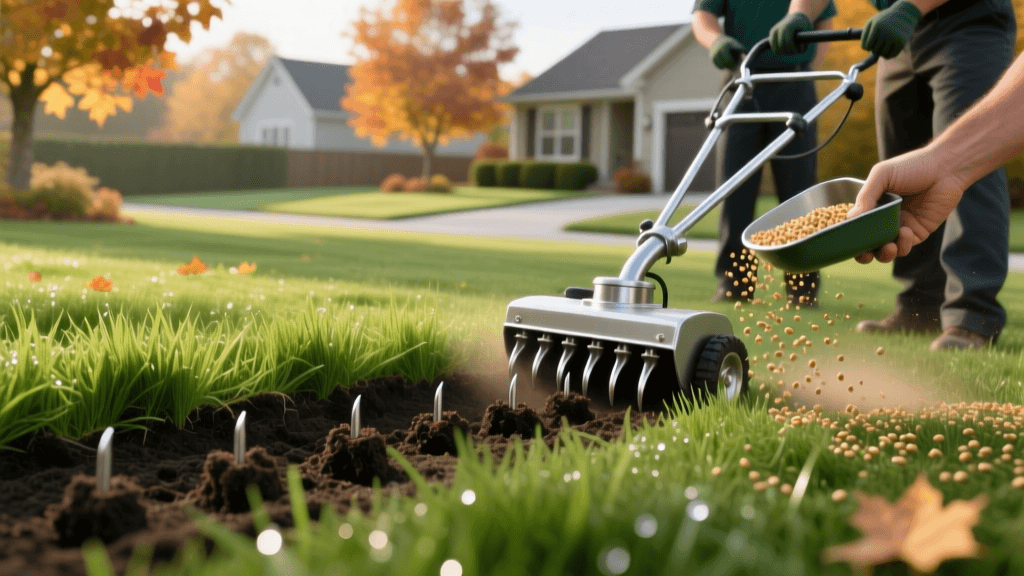
If your soil is compacted or heavily clay-based, rent a core aerator from a local hardware store. This machine pulls small plugs of soil out of the ground, relieving compaction and creating perfect little pockets for seed, water, and fertilizer to penetrate. Leave the soil plugs on the lawn; they will break down naturally and return beneficial microbes to the surface.
Step 4: Spread the Seed
Load your broadcast spreader with the appropriate grass seed. Check the seed bag for the manufacturer's recommended spreader setting. Walk at a steady, normal pace, overlapping your passes slightly to avoid striping. For best results, spread half the seed walking in a north-south direction, and the other half walking east-west.
Step 5: Apply Starter Fertilizer
Immediately after seeding, apply a high-quality starter fertilizer. Beginner gardeners often make the mistake of using standard lawn food, which is high in nitrogen and promotes leafy growth. New seeds need phosphorus to develop strong roots. Look for a fertilizer with an N-P-K ratio where the middle number (Phosphorus) is higher, such as 10-18-10 or 18-24-12.
The Golden Rule: Post-Overseeding Watering Schedule
Watering is where most beginners fail. Grass seed must remain consistently moist until it germinates and establishes roots. If the seed dries out even once during the germination phase, it will die.
- Weeks 1-2 (Germination Phase): Water lightly 2 to 3 times a day for about 5-10 minutes per session. The goal is to keep the top half-inch of soil damp, not soaking wet. Avoid heavy watering that will wash the seeds away or pool on the surface.
- Weeks 3-4 (Establishment Phase): Once the seeds have sprouted and are about an inch tall, reduce watering to once a day, but water for a longer duration (15-20 minutes). This encourages the young roots to grow deeper into the soil to seek moisture.
- Weeks 5-8 (Maturation Phase): Transition to a standard deep and infrequent watering schedule. Water 2 to 3 times a week, applying about 1 to 1.5 inches of water per week to promote deep, drought-resistant root systems.
Common Beginner Mistakes to Avoid
Even with the best intentions, new lawn care enthusiasts can stumble. Keep these critical warnings in mind:
- Using 'Weed and Feed' Products: Never apply a standard weed killer or 'weed and feed' fertilizer before or immediately after overseeding. The herbicides in these products will prevent your new grass seed from germinating. Wait until you have mowed the new grass at least three times before applying any broadleaf weed control.
- Mowing Too Soon: Resist the urge to mow your lawn until the new grass blades have reached a height of at least 3.5 to 4 inches. When you do mow, ensure your mower blade is razor-sharp to avoid tearing the delicate new seedlings out of the soil.
- Covering Seed with Topsoil: Beginners often think they need to bury the seed under an inch of dirt. Grass seed requires sunlight to germinate. A light dusting of peat moss or compost (no more than 1/8 inch) is acceptable to retain moisture, but burying it will smother the seed.
Expert Insights and Authoritative Guidance
According to turfgrass experts at the University of Minnesota Extension, maximizing seed-to-soil contact is the primary driver of overseeding success. Their research highlights that core aeration prior to seeding not only improves germination rates by providing a safe harbor for seeds but also significantly reduces surface runoff during the critical early watering phases. Furthermore, they advise homeowners to avoid heavy foot traffic on newly seeded areas for at least three to four weeks to prevent soil compaction and damage to fragile root systems.
'Successful overseeding requires careful attention to soil preparation and moisture management. The seed must be in direct contact with the soil, not resting on a layer of thatch, to access the moisture and nutrients required for germination.' - University of Minnesota Extension, Turfgrass Science Program
Final Thoughts for the Beginner
Overseeding your cool-season lawn is a highly rewarding weekend project that yields visible results in just a matter of weeks. By following this beginner-friendly guide—focusing on proper fall timing, aggressive soil preparation, precise seed selection, and a disciplined watering routine—you will transform a thin, weedy yard into a thick, resilient, and vibrant lawn. Be patient, keep the soil moist, and let nature do the heavy lifting as your new grass takes root and flourishes.